
Are Garden Rooms Truly Weatherproof and Durable?
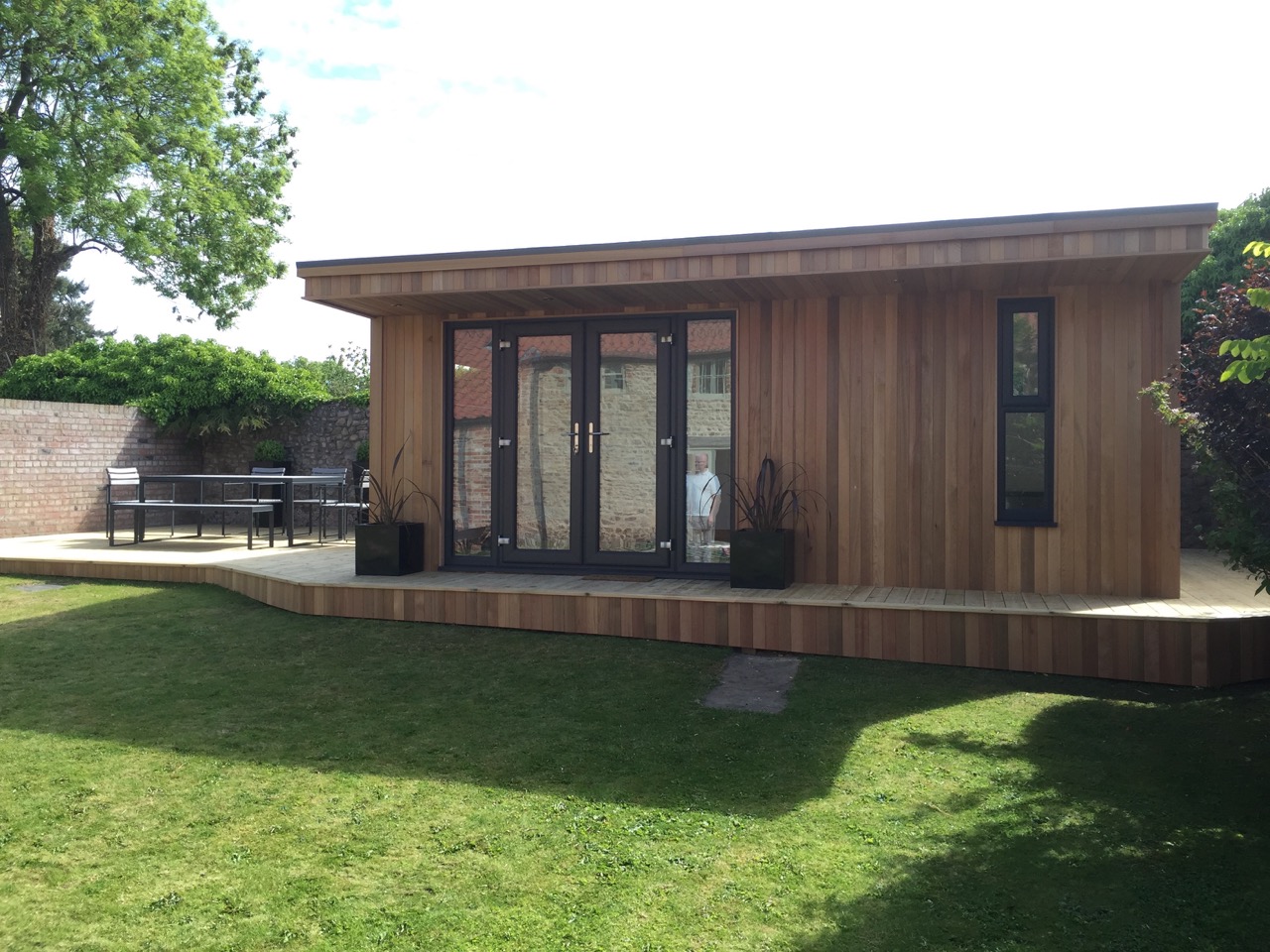
The image of a garden room—serene, stylish, and nestled at the end of a landscaped garden—is a compelling one. But beneath the bi-fold doors and cedar cladding lies an essential question every homeowner must ask: Are garden rooms truly weatherproof and durable enough to stand the test of time? In the UK, where weather can swing from scorching sun to snow in a matter of weeks, this question isn’t just cosmetic—it’s structural. A garden room that leaks, warps, rots, or fades quickly becomes more headache than haven. So, what makes a garden room genuinely weatherproof? And how long can you expect it to last? Modern garden rooms, when built correctly, can be both exceptionally durable and weather-resistant—but not all are created equal. This article explores the materials, construction methods, and long-term performance standards that separate reliable garden rooms from disposable boxes. Whether you’re planning a garden office, gym, studio, or guest suite, understanding the factors that impact durability and weatherproofing will help you make a smart investment—one that remains comfortable, dry, and stylish for years.
What Do We Mean by “Weatherproof”?
Weatherproofing isn’t just about keeping the rain out. In a UK context, it refers to a structure’s ability to withstand moisture, wind, UV radiation, fluctuating temperatures, frost, and humidity—not occasionally, but continuously throughout the seasons. A truly weatherproof garden room must handle: rain and persistent damp, driving wind and draughts, cold snaps and frost cycles, intense summer sun and UV exposure, heavy condensation risk from temperature differences, and the internal climate created by heating, electronics, or human use. If any component—roofing, walls, insulation, cladding, windows, seals—fails to hold up to these elements, the structure’s performance will decline rapidly. Moisture intrusion can cause rot, mould, electrical hazards, and structural degradation. Sunlight can warp PVC, fade paint, and expand poorly treated timber. Effective weatherproofing involves a multi-layered strategy, not just a single ‘waterproof’ coating.
The Frame: The Structural Backbone
The frame of a garden room is its skeleton—and a strong, weather-tolerant frame is fundamental to long-term durability. There are three main options used by most garden room manufacturers: Timber Frame – The most common method in the UK, treated timber frames (usually using C16 or C24 graded wood) are affordable, natural, and perform well—provided they are pressure treated and moisture-protected. Poorly treated timber can absorb moisture and warp or rot. Steel Frame – Used in some high-end or modular builds, steel frames are incredibly durable and resistant to weather effects. They’re particularly useful in areas with high humidity or clay soil where timber might suffer over time. SIPs (Structural Insulated Panels) – A popular option in premium builds, SIPs offer combined structure and insulation. They create an air-tight, energy-efficient shell that resists draughts and moisture. SIPs also prevent cold bridging, improving thermal comfort. Whichever frame type is used, it must be protected by breathable membranes and a ventilated cavity to ensure trapped moisture can escape, and the frame can "breathe."
Insulation and Vapour Control: Comfort and Protection
Insulation isn’t just for heat retention—it plays a huge role in managing condensation. A well-insulated garden room resists temperature swings, which reduces internal moisture buildup. Key insulation layers include: Floor Insulation – Typically rigid PIR boards beneath the floor to stop cold rising from the ground. Wall Insulation – Mineral wool or PIR boards between structural timbers. Roof Insulation – Vital for year-round use; warm roofs prevent heat loss and reduce condensation on cold days. Alongside insulation, a vapour control layer (VCL) must be installed on the warm side of the insulation. This prevents warm, moist indoor air from passing into the wall structure where it can condense and cause rot or mould. Without a proper VCL, even a fully insulated building can suffer internal damp.
Cladding Materials: First Line of Defence
Cladding is not just decorative—it’s your garden room’s protective skin. It takes the brunt of wind, rain, snow, and sunlight. Your choice of cladding dramatically influences the building’s long-term weather resistance. Western Red Cedar – A favourite in premium builds, cedar is naturally rot-resistant and ages beautifully to a silver-grey tone. With proper installation and air gaps, it can last 25+ years. Oiling or treating it helps retain colour but isn’t essential for performance. Thermowood – Heat-treated softwood that resists insects and decay. Slightly less durable than cedar but a great mid-range option. Composite Cladding – Made from a mix of wood fibres and plastics, composite cladding is extremely durable, colour-stable, and rot-proof. It often comes with warranties of 25 years or more. Render or Fibre Cement – Non-wood options that provide excellent weather resistance and minimal maintenance. Great for more contemporary builds and harsh climates. What matters most is not just the cladding material but how it’s installed. A ventilated cavity behind the cladding (called a rainscreen system) allows water to drain and prevents moisture from lingering on the frame.
Roofing: Keeping the Worst Out
The roof is arguably the most important barrier against the elements. The majority of garden rooms feature flat or low-pitched roofs, making waterproofing especially critical. Common options include: EPDM Rubber Roofing – One of the most durable and popular choices, EPDM is a single-ply membrane with a life expectancy of over 30 years. It’s UV-stable, seamless, and requires very little maintenance. GRP Fibreglass Roofing – Offers a solid, watertight surface and can last 25+ years. It’s rigid, resistant to damage, and good for flat roofs, but must be installed properly to avoid cracking. Felt Roofing – Less common in modern garden rooms due to shorter lifespan (10–15 years), though still used in budget builds. Standing Seam Metal Roofing – A stylish, ultra-durable option for pitched designs, often used in premium projects. Resistant to snow, wind, UV, and impact. Proper guttering and downpipes should be included in your build to ensure rainwater drains away from the structure. Avoid water pooling near foundations, which can undermine structural integrity.
Doors, Windows, and Seals
Glazing is often a weak point in poorly built garden rooms. If doors and windows aren’t correctly sealed or thermally broken, they’ll leak air, moisture, or both. Look for: Double or triple glazing with argon-filled units for thermal efficiency. Aluminium or uPVC frames with proper thermal breaks to prevent condensation. Weather seals and gaskets rated for UK climates. Low-E coatings to help control internal temperatures. Multi-point locking systems to ensure doors stay airtight during storms. Bi-folds and sliding doors should glide smoothly and seal tightly when closed. The threshold should include drainage channels and anti-capillary design features to prevent water ingress at the base.
The Floor and Ground Contact
Moisture rising from the ground is a major threat to durability. Your garden room floor must be isolated from soil damp via: A damp-proof membrane (DPM) beneath the floor insulation. Raised structures or ground screws that elevate the room off the soil. Perimeter drainage or French drains to divert water away. Timber bases must be pressure-treated and adequately ventilated to prevent rot from wet ground contact. Some companies offer concrete bases, which are more permanent and stable over time, especially for larger or more heavily used rooms.
Maintenance Requirements and Lifespan
With the right materials and build quality, a garden room can last 30–50 years or more. However, maintenance matters. All structures require some upkeep to stay in good condition, including: Annual checks on roofing seals and gutters. Re-oiling natural timber cladding (if desired). Clearing moss, leaves, or debris from roof edges. Touching up paint or render every 7–10 years. Re-sealing joints or trims where expansion and contraction occur. Well-built composite-clad garden rooms with EPDM roofs may require very little maintenance, while cedar-clad rooms may need re-oiling if you want to maintain the original tone. Choose materials that match your tolerance for upkeep.
Warranty and Manufacturer Standards
If you're unsure about the quality of a particular garden room, look to the warranty and the certifications a company provides. A reputable company should offer: Structural warranties of at least 10 years. Guarantees on windows and doors (typically 5–10 years). Roofing guarantees (e.g. EPDM warranties of 20–30 years). Insurance-backed workmanship guarantees (for added protection). Look for membership in trade bodies such as the Federation of Master Builders or certification from manufacturers of roofing or cladding products. These indicate that best practices are being followed.
Common Failures in Poorly Built Garden Rooms
If a garden room isn’t built to handle weather extremes, you may encounter issues within just a few years, including: Condensation on walls and ceilings. Warped doors or sticking bi-folds. Fading or cracking cladding. Roof leaks or pooling water. Mould behind insulation. Floor rot or spongy surfaces. These problems can arise from shortcuts in construction, underspec’d materials, or poor installation. Always ask for a detailed specification and breakdown before purchasing, and never rely on showroom looks alone.
Conclusion: The Truth About Garden Room Durability
So, are garden rooms truly weatherproof and durable? The answer is: they absolutely can be—if they’re built with quality materials, proper techniques, and long-term thinking. The best garden rooms are effectively mini homes, designed to withstand British weather in all its forms. They are dry, warm, comfortable, and built to last. However, like all things in construction, the devil is in the details. Don’t just fall in love with the appearance. Look for certified insulation, robust membranes, air-tight glazing, ventilated wall cavities, and structural warranties. Ask how the room copes with condensation. Ask where the water goes when it rains. Ask what’s under the floor and how long the roof is rated for. These are the questions that determine whether your garden room is a short-term indulgence or a long-term asset. When you choose wisely, you get more than a room—you gain a space that adds real, weatherproof, and durable value to your home and lifestyle for decades to come.