
Avoiding Hidden Costs in Your Garden Room Project
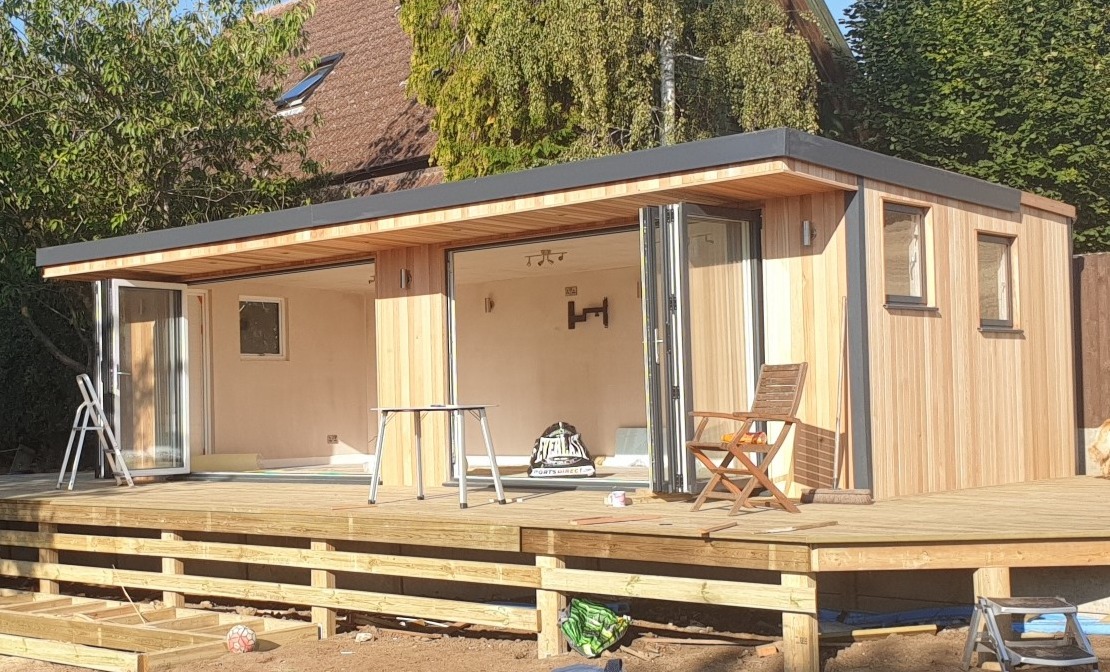
A garden room is one of the smartest and most rewarding ways to expand your living space. Whether it's a serene home office, a stylish guest suite, a fitness studio, or a creative workshop, a garden room adds comfort, flexibility, and value to your property. But while the idea may seem simple—buy a room, put it in the garden—many homeowners find themselves caught off guard by unexpected costs that weren’t mentioned in the glossy brochure or online quote. A well-executed garden room project should be stress-free, cost-transparent, and built on trust. Yet, without a clear understanding of potential hidden costs, what started as a £20,000 investment can quickly spiral toward £30,000 or more. In this guide, we’ll break down where these hidden costs come from, how to identify them before they become a problem, and what you can do to ensure your project stays on time, on budget, and stress-free.
Groundwork Surprises
Why it happens: Many base quotes assume flat, clear, and stable ground. But most gardens aren’t perfectly level or free from obstacles. Unexpected excavation work, poor soil conditions, tree roots, and hidden debris can significantly increase foundation costs. Potential hidden costs: Tree root removal, soil stabilisation or piling, removing rubble, oil tanks, or concrete pads, regrading or levelling sloped gardens, upgrading to a reinforced or custom foundation. How to avoid it: Insist on a site visit before receiving a final quote. A reputable company will assess your ground conditions in person and include any necessary works in your proposal. If a supplier is quoting blind based on photos or postcode, assume the real price will be higher once the build begins.
Access and Delivery Challenges
Why it happens: Garden rooms are often built from large panels or modules that require space to manoeuvre. If access to your garden is narrow, sloped, or involves steps, builders may need extra labour or specialist equipment like cranes. Potential hidden costs: Extra delivery staff or manual handling, crane hire to lift materials over buildings, partial fence or wall removal for access, temporary public footpath closures or notices, weekend or after-hours delivery surcharges. How to avoid it: During your site survey, discuss all delivery routes in detail. Measure gates, alleys, and turning radii. If access is tight, ask if the company can supply modular panels or flat-pack versions instead. If a crane is likely, get a quote upfront rather than discovering the need mid-build.
Utilities and Services
Why it happens: Many people forget to budget for connecting power, water, internet, or drainage. This often falls outside the base garden room cost and requires separate trades. Potential hidden costs: Trenching for electricity or water, new consumer unit or fuse board, water supply pipes and waste drainage, macerator pump for distant plumbing connections, armoured cabling or ducting, Wi-Fi boosters or CAT6 cabling. How to avoid it: Clarify whether utility connection is included in your quote or if it’s a separate item. Request a detailed breakdown of how services will reach the room, how deep trenches will be, and whether any specialist fittings (like Part P-certified electricians) are required. Allow extra if the room is over 10 metres from the house.
Planning and Regulations
Why it happens: While most garden rooms fall under permitted development, there are exceptions—particularly in conservation areas, near listed buildings, or for larger structures. Planning costs can mount if these issues arise late. Potential hidden costs: Full planning application (£250–£500+), tree reports or ecology surveys, building control inspections, architect drawings and compliance reports, delays from retrospective planning. How to avoid it: Ask your builder to confirm permitted development compliance in writing. If you’re unsure, contact your local planning department early. If you live in a conservation area or have special restrictions, factor in 6–8 weeks for planning and budget for planning consultant support.
Upgrades That Feel Mandatory
Why it happens: Base prices often advertise a “from” figure for a minimal spec—uninsulated walls, basic cladding, small windows, and zero finishes. In practice, most people want more: heating, lighting, insulation, and premium materials. Potential hidden costs: Upgraded insulation (especially roof and floor), aluminium doors instead of UPVC, larger glazing, skylights, or bifold systems, cedar or larch cladding over basic composite, underfloor heating or air conditioning, plasterboard finish over MDF panelling. How to avoid it: Ask your supplier to walk you through a fully loaded spec, not just the starting point. Choose what you need up front and build a realistic budget that includes it all. Watch for packages labelled “optional” or “available on request” and challenge vague language.
Interior Finishes
Why it happens: Some companies offer a weather-tight shell and leave the interior to you—or treat plastering, skirting, painting, and flooring as extras. These “little things” can add up to thousands once you start fitting out your space. Potential hidden costs: Plastering and painting, electrical sockets and lighting fixtures, flooring materials and installation, internal doors, trims, and storage, furniture, blinds, and fittings. How to avoid it: Ask for a detailed specification sheet of exactly what is included inside the room. Will walls be painted or bare plaster? Is flooring included—and if so, what kind? Is electrical wiring pre-installed, or just the conduit? Avoid assumptions by confirming all internal finishes in writing.
Landscaping and Garden Restoration
Why it happens: The installation process can leave your garden looking less than pristine—trampled grass, removed paving, or disturbed borders. If no one budgets for this, you could be left with a beautiful building in a muddy mess. Potential hidden costs: Re-turfing or reseeding lawn areas, replacing disturbed decking or patios, new paths or stepping stone access, fence or gate repairs post-delivery, garden waste removal or replanting. How to avoid it: Take “before” photos and discuss any fragile areas with your builder before work begins. Ask if they include garden restoration, turf protection mats, or cleanup. If not, budget £500–£1,500 for post-project landscaping depending on the scope of disruption.
Long-Term Running Costs
Why it happens: Poor insulation or cheap materials mean higher running costs over time. If you skip energy-efficient upgrades to save on the initial build, you’ll pay for it monthly in heating or cooling. Potential hidden costs: High energy bills due to lack of insulation, additional heaters or fans, poor air circulation or condensation control, early wear and tear from extreme temperatures. How to avoid it: Choose residential-grade insulation, energy-efficient glazing, and integrated ventilation systems. A slightly higher initial spend often reduces lifetime costs by thousands.
Maintenance and Warranty Gaps
Why it happens: Low-cost builds may use materials or methods that require more frequent maintenance, and some builders only offer minimal warranties. Over time, poor-quality components add up in both stress and repair bills. Potential hidden costs: Repainting cladding or trims within two years, roof leaks or panel movement, weak door mechanisms or handles, sealant and flashing failures, limited or unenforceable warranty terms. How to avoid it: Ask for details of your warranty in writing. What does it cover, and for how long? Research the cladding, roofing, and door systems being used. If you’re paying for “luxury,” expect commercial-grade durability—not just a pretty face.
VAT and Unexpected Fees
Why it happens: Some quoted prices exclude VAT or overlook “small” extras like delivery charges or waste disposal. If you don’t spot them upfront, they appear suddenly on your invoice. Potential hidden costs: VAT (typically 20% if not stated), site clearance fees, skip hire, parking permits or road closures, delivery charges or callout fees. How to avoid it: Always ask: Is this the full price, including VAT and all delivery, site prep, and disposal? Get a fixed quote with every item broken out clearly. If something is marked “TBC,” assume it may become a hidden cost.
Conclusion: Transparency Is the Real Luxury
A garden room can be one of the best investments you make—boosting your lifestyle, adding flexibility, and increasing your home’s value. But to enjoy it fully, you need clarity, accuracy, and complete transparency from day one. The biggest cost in a garden room project isn’t what you see on the quote—it’s what gets added later. The more thorough your planning, the fewer the surprises. Work only with suppliers who are willing to break everything down in detail, offer fixed quotes, and walk the site before final pricing. Ask hard questions early. Don’t be afraid to challenge vague language, and always budget for the full picture. When you do, the experience of creating your dream garden space will be just as enjoyable as using it.