
Building an Off-Grid Garden Room: What You Need to Know
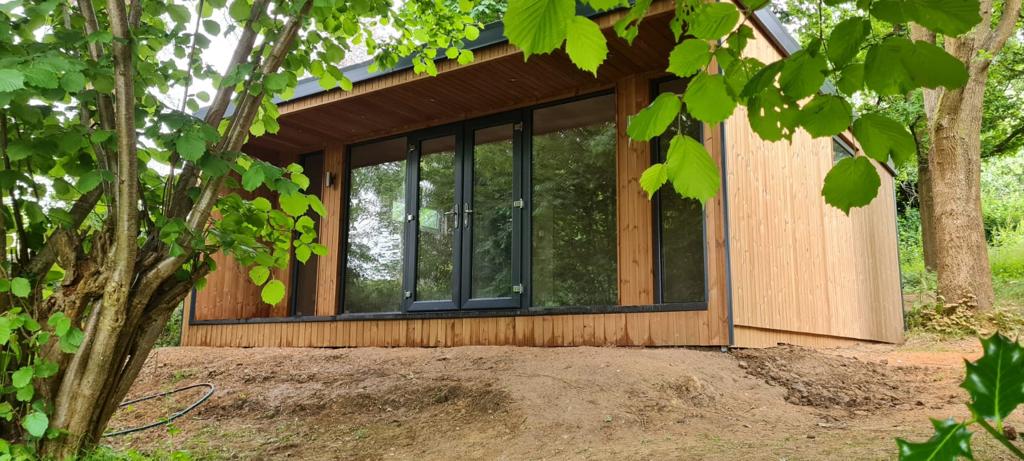
As sustainable living and self-sufficiency continue to grow in popularity, more UK homeowners are exploring the idea of building an off-grid garden room. Whether you're aiming for an eco-conscious home office, a retreat away from the hustle of modern life, or a completely independent space with minimal environmental impact, off-grid garden rooms offer a unique solution. But going off-grid means more than just skipping the mains electricity supply. It requires planning, design innovation, energy efficiency, and smart systems for water, power, and waste. In this in-depth guide, we’ll walk you through everything you need to know before building an off-grid garden room, including power solutions, heating, water supply, internet connectivity, planning permission, and the long-term benefits of living lighter on the land.
What Is an Off-Grid Garden Room?
An off-grid garden room is a standalone structure that operates independently from your main home’s utilities. This means no direct connection to the national grid for electricity, no mains water supply, and no reliance on traditional sewerage systems. These rooms are designed to be entirely self-sufficient. They often include their own power source (usually solar panels), water collection or storage systems, composting toilets or greywater systems, and off-grid heating solutions. The idea is to create a usable, comfortable space that doesn’t increase your household’s environmental footprint or utility bills. Off-grid garden rooms can serve as home offices, yoga studios, artist spaces, glamping pods, therapy rooms, or quiet escapes from the main house.
Why Build Off-Grid?
There are several compelling reasons why people choose to go off-grid with their garden room. First is environmental responsibility. Reducing reliance on fossil fuels and mains infrastructure lowers your carbon footprint and helps preserve natural resources. Second is cost savings. While the upfront investment in solar panels or water systems can be higher, ongoing utility costs are virtually zero. Third is independence. If you’re in a rural or remote location, connecting to the grid can be expensive or logistically challenging. An off-grid solution allows you to build where traditional connections aren't feasible. Finally, it offers a level of futureproofing. As energy costs rise and sustainability becomes more important, having a low-impact, energy-efficient structure increases the value and resilience of your property.
Planning Permission Considerations
Most garden rooms in the UK fall under permitted development rules, especially if they are under 2.5m high and not used as sleeping accommodation. However, off-grid garden rooms can raise additional considerations depending on their setup and location. If you're installing solar panels, wind turbines, or water tanks, these may require planning permission if they exceed certain size or placement thresholds. If your off-grid garden room includes a toilet, shower, or kitchen facilities, it could be classified as an annex or ancillary accommodation, potentially triggering different rules. Always check with your local planning authority early in the design process, especially if you're in a conservation area, AONB, or a listed property. Getting clarification now will prevent costly delays or compliance issues later.
Off-Grid Power Solutions
The most important component of an off-grid garden room is the power source. Your choices include solar, wind, or a combination of both. Solar power is the most popular option due to its reliability, especially in southern parts of the UK. Photovoltaic (PV) solar panels convert sunlight into electricity, which can then be stored in batteries for use when the sun isn’t shining. A typical setup for a garden room might include 2 to 6 solar panels mounted on the roof or on a ground array, depending on size and energy demands. The system includes an inverter to convert DC electricity to AC for standard appliances. Battery storage, such as lithium-ion batteries, ensures power availability during evenings or cloudy days. For extra capacity or backup, a small wind turbine or petrol generator can be integrated, but these should be used sparingly to maintain the eco-friendly nature of your build.
Heating and Insulation
To be comfortable year-round, your off-grid garden room must be well insulated and equipped with an efficient heating system. Begin with the building fabric—use high-quality insulation in the walls, roof, and floor. Rigid PIR boards, SIPs (structural insulated panels), or natural wool insulation are all excellent choices. Triple-glazed windows and insulated doors reduce heat loss and make the room more efficient. Heating options include wood-burning stoves, infrared electric panels, and gas heaters. Wood burners are a popular choice for off-grid buildings—they’re sustainable, effective, and can also provide a cosy aesthetic. However, they do require ventilation, regular maintenance, and safe storage of logs. If you're using solar power and have sufficient battery capacity, infrared heating panels can be a clean, maintenance-free solution. Underfloor heating powered by solar may be possible for small, ultra-efficient rooms.
Water Supply Options
Supplying water to an off-grid garden room requires creativity and careful management. The most common method is rainwater harvesting. This involves collecting rainwater from the roof and storing it in a tank, which can then be filtered and used for non-potable purposes like handwashing, cleaning, or watering plants. To make rainwater potable (safe to drink), you’ll need additional filtration and UV purification systems. Alternatively, you can use a refillable water tank or arrange for occasional deliveries if your usage is low. Another option is digging a well or borehole, but this is more complex and costly, and requires environmental permissions. If your garden room includes a kitchenette or bathroom, consider installing low-flow taps and water-saving appliances to reduce demand.
Off-Grid Waste and Toilets
Waste management is one of the most unique aspects of going off-grid. If your garden room includes a toilet, you'll need a solution that doesn’t rely on mains sewerage. Composting toilets are the most common option—they’re eco-friendly, odourless when maintained properly, and simple to install. These toilets separate liquid and solid waste and use organic material (like sawdust) to aid decomposition. Over time, composted waste can be used as fertiliser (in non-edible garden areas). For more advanced setups, you can use a waterless incinerating toilet or a biogas digester, but these tend to be more expensive. For greywater (from sinks or showers), you’ll need a filtration system to remove soap and contaminants before the water is discharged into a soakaway or reed bed system. These natural drainage systems return water to the environment in a safe, sustainable way.
Internet and Connectivity
Even if your garden room is off-grid, you probably still want to stay connected. Fortunately, there are several ways to get reliable internet without relying on your home’s broadband line. One option is a 4G or 5G mobile router with an external antenna, which can provide high-speed internet anywhere with good mobile signal. These routers work with SIM cards and offer flexible data plans. For more remote areas, satellite internet (such as Starlink) is now a viable option, delivering fast speeds and low latency. You can power these systems via your solar and battery setup, just like any other appliance. Just be sure to factor in their energy consumption when sizing your solar array.
Security and Monitoring
Off-grid garden rooms can be more vulnerable to theft or vandalism, especially if they’re located far from the main house. To protect your investment, consider a few simple security upgrades. Solar-powered motion lights can deter unwanted visitors. A Wi-Fi security camera system, powered via your solar setup, can provide live monitoring and send alerts to your phone. Smart locks or coded entry systems add another layer of protection. Some owners also install a small security system with battery backup and GSM-based alerts in case of power loss or suspicious activity.
Interior Design for Off-Grid Living
Just because you’re off-grid doesn’t mean you have to compromise on comfort or style. A well-designed off-grid garden room can be just as luxurious as any connected structure. Use natural materials and finishes like timber, cork, and wool to enhance insulation and maintain a cosy atmosphere. Opt for low-energy LED lighting and choose appliances designed for low power usage. If you’re working from your off-grid garden room, make sure to create an ergonomic layout with enough daylight, proper seating, and storage. Folding or modular furniture can help maximise the space while keeping it functional. If you plan to host guests, consider adding a sofa bed, kitchenette, or even a loft-style sleeping area if the room’s height permits.
Maintenance and Longevity
Maintaining an off-grid garden room involves a few more steps than a conventional garden building, but it’s manageable with planning. Solar panels need occasional cleaning, and batteries should be monitored for health and capacity. Composting toilets require regular emptying and compost management. Rainwater tanks should be cleaned annually, and filters replaced as needed. The rest of the structure—roofing, cladding, windows—should follow the same maintenance schedule as any high-end garden room. Opting for composite cladding or pressure-treated timber will reduce external upkeep. Choosing high-quality materials and components from the start ensures your off-grid setup remains reliable and comfortable for years to come.
Cost Considerations
Going off-grid can be more expensive upfront, but cost-effective in the long run. Expect to pay more than a standard garden room due to the added systems—solar panels, battery storage, water management, and toilets. A typical off-grid garden room might cost anywhere from £20,000 to £35,000, depending on size and features. However, once built, the running costs are negligible. You won’t receive utility bills for electricity or water, and you’ll reduce your carbon footprint dramatically. Grants or green energy incentives may be available depending on your location and the technologies you use, so it’s worth researching government support before beginning your build.
Is Off-Grid Right for You?
Off-grid garden rooms are ideal for those seeking greater self-sufficiency, reduced environmental impact, and independence from rising utility costs. They’re especially useful in rural areas, on large plots, or for people wanting to create a retreat that’s truly away from it all. That said, they’re not for everyone. If you require high-power appliances, intensive daily water use, or don't want the responsibility of managing systems, a grid-connected garden room might be better suited to your needs. But for those who are ready to embrace sustainable living and want a space that reflects those values, building off-grid can be one of the most rewarding home improvements you’ll ever make.