
Can I Add a Bathroom to My Garden Room? Here`s What You Need to Know
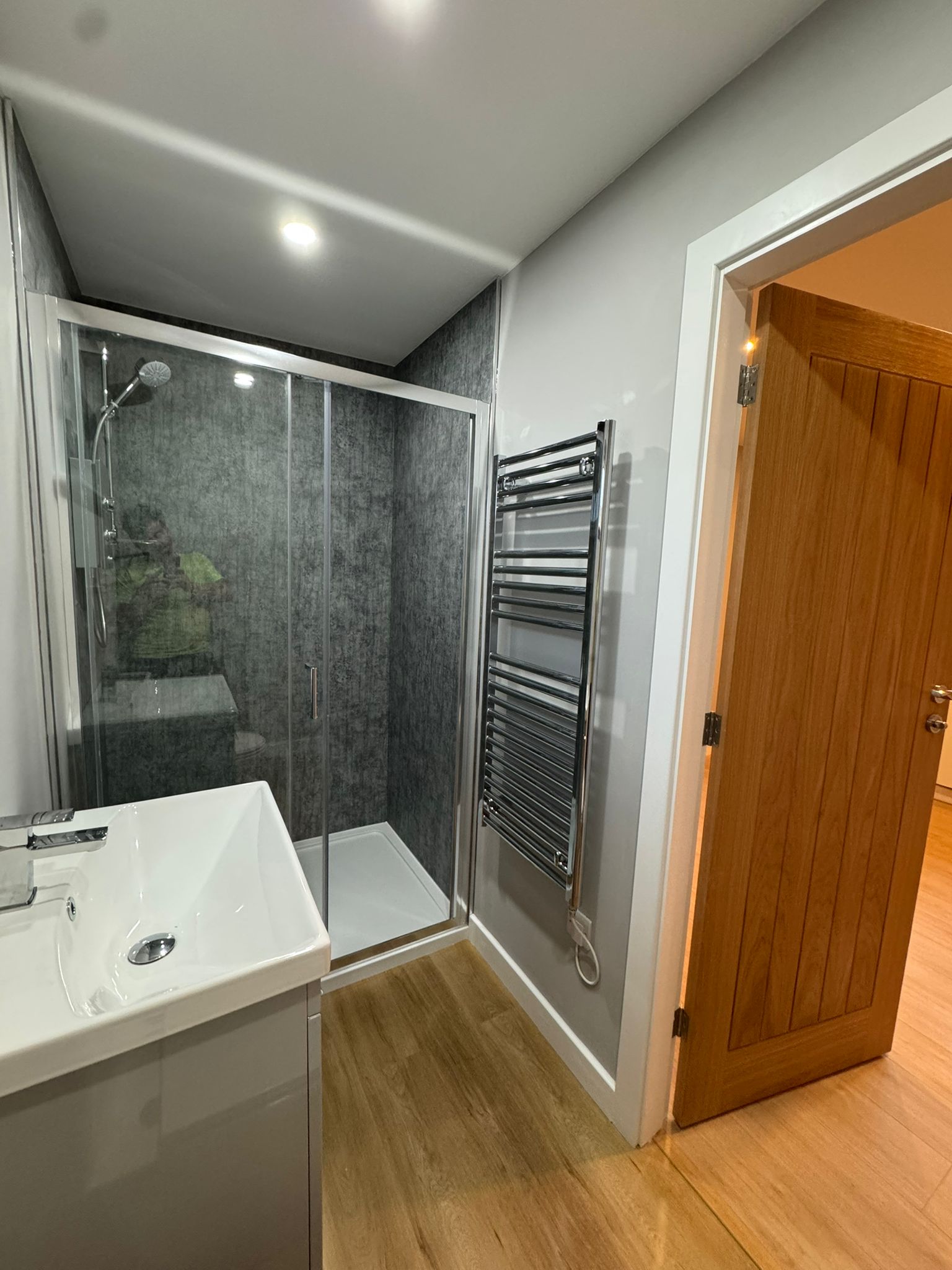
Garden rooms have become one of the UK’s most popular property upgrades, transforming outdoor space into usable square footage for work, leisure, and accommodation. As these buildings evolve from basic studios into fully equipped annexes and multi-functional spaces, one question is being asked more than ever: “Can I add a bathroom to my garden room?” The short answer is yes—you absolutely can. But the longer answer involves plumbing, drainage, building regulations, permissions, and smart design. Whether you want a simple WC for convenience or a full en-suite with shower, adding a bathroom opens up more possibilities for how you use your garden room. It also adds significant value—but only if done properly. In this guide, we’ll explore everything you need to know about installing a bathroom in your garden room: what’s possible, what’s required, what it costs, and why it matters.
Why Add a Bathroom to a Garden Room?
A bathroom increases the independence, convenience, and versatility of a garden room. If your space is used as a home office, art studio, or yoga retreat, having a nearby toilet eliminates the need to return to the house constantly. For guest rooms, teen hangouts, or short-term lets, a bathroom is essential. In many cases, a bathroom transforms a garden room from a day-use space into a self-contained living area, suitable for sleeping, working, or even earning income through Airbnb or lodger arrangements. In essence, a bathroom makes your garden room feel more like a true extension of your home rather than a glorified shed.
Types of Bathrooms You Can Install
Depending on your needs and budget, there are different types of bathroom setups to consider:
1. Cloakroom WC – This includes just a toilet and small basin, ideal for studios and home offices.
2. Shower Room – A toilet, basin, and walk-in shower; perfect for guest suites or gym spaces.
3. Full En-Suite – Adds luxury with a toilet, basin, shower, and even storage or towel radiators.
4. Wet Room – An open-plan, tanked space with waterproof flooring and drain—great for compact areas or accessible living.
Each option has its own installation challenges and costs, so the right choice depends on how you plan to use the room long term.
Plumbing and Drainage: The Core Challenge
The biggest consideration when adding a bathroom is plumbing. Unlike electrics, which can be run via armoured cable, plumbing requires pipework for both fresh water supply and wastewater disposal. This often involves trenching across your garden and coordinating with local drainage systems.
Fresh Water Supply: Water is typically supplied via an underground MDPE pipe (blue plastic), trenched from the house to the garden room. It must be buried to the correct depth, properly insulated, and include isolation valves and pressure checks.
Wastewater: There are two main options:
1. Gravity-fed system – This relies on a natural downward slope to move waste from the garden room to the house’s main foul drain. It’s the simplest and most reliable option if the topography allows.
2. Pumped system (macerator) – If the garden room is lower than the house, or the distance is too great, a macerator pump (e.g., Saniflo) is used to grind and push waste through narrow pipes back to the house drain. While effective, these require maintenance and aren't ideal for heavy usage.
In high-end builds, especially where there's ample garden space, a full sewage connection with inspection chambers may be installed to meet building regulations.
Building Regulations: What You Must Know
Adding a bathroom introduces additional compliance requirements. Even if your garden room was initially exempt from building control (as a non-habitable space), the inclusion of plumbing and waste changes its classification. You may need to comply with:
Part G – Sanitation, hot water safety, and water efficiency
Part H – Drainage and waste disposal
Part P – Electrical safety
Part L – Thermal efficiency (if heated)
You’ll likely need to submit a Building Notice to your local authority, which triggers inspections and certification. Some providers handle this as part of a turn-key build; others will expect you to manage it. Either way, compliance is non-negotiable—especially if you plan to sell, let, or mortgage your property in the future.
Do You Need Planning Permission?
In many cases, garden rooms fall under Permitted Development Rights, meaning they can be built without formal planning permission, provided they meet certain criteria:
-
Under 2.5m height if within 2m of a boundary
-
Not self-contained living accommodation
-
Occupies less than 50% of the garden
However, adding a bathroom increases the chance that your structure will be viewed as habitable accommodation, particularly if combined with a kitchen or sleeping area. In this case, you may need: -
Full Planning Permission if it resembles a dwelling
-
Certificate of Lawful Development for reassurance
-
Compliance with Article 4 restrictions if in a conservation area or listed property
Speak to your local authority or a planning consultant early in the process. Retrospective permission can be costly and disruptive.
Electrical and Heating Requirements
Bathrooms in garden rooms need dedicated circuits and RCD protection. Your electrician must be Part P certified and notify Building Control.
Key considerations include:
-
IP-rated light fittings and switches
-
Shaver sockets and extractor fans
-
Heated towel rails or underfloor heating
-
Electric showers (if not using a combi system)
If the room is to be used year-round, consider a split air-conditioning unit for combined heating and cooling. Proper ventilation is critical—especially with showers—to avoid condensation and mould.
Design Tips for Small Garden Room Bathrooms
1. Go compact – Use space-saving toilets, corner sinks, and wall-hung units to keep the room feeling open.
2. Prioritise waterproofing – Use wet-room flooring, tanking kits, and PVC wall panels to protect timber structures.
3. Use light wisely – Natural light through frosted windows or rooflights enhances the feeling of space.
4. Opt for sliding doors – Pocket doors save valuable square footage.
5. Match finishes – Use similar flooring and colours to the main room for cohesion.
6. Add storage – Recessed shelves, mirror cabinets, and tallboys reduce clutter without taking up floor space.
Can You Retrofit a Bathroom Into an Existing Garden Room?
Yes, but it’s more complex. Retrofitting a bathroom into a garden room that wasn’t originally designed for plumbing may involve:
-
Upgrading insulation to meet thermal requirements
-
Adding ventilation and heating
-
Running water and waste pipes across finished gardens
-
Reinforcing floors to accommodate sanitary ware
-
Cutting through existing walls or cladding
It can be done successfully, but you’ll need a specialist builder and possibly structural adjustments. Costs are usually higher than incorporating the bathroom from the outset.
How Much Does It Cost to Add a Bathroom to a Garden Room?
Costs vary widely based on distance from the main house, spec level, and complexity.
Approximate costs:
Cloakroom (WC + sink): £4,000–£6,000
Shower room: £6,500–£10,000
En-suite with wet room: £10,000–£15,000+
Additional costs may include:
-
Trenching water/waste pipes: £1,500–£4,000
-
Building control and planning: £500–£2,000
-
Electrical upgrades: £1,000–£2,500
-
Insulation and waterproofing: £500–£2,000
To save money, consider shared trenching if you’re also running electrics, or opting for composting or waterless toilets for ultra-basic needs.
Alternative Options: No-Plumb Bathrooms
If full plumbing isn’t practical, you still have options:
1. Composting Toilets – Eco-friendly, no water or mains waste required. Best for occasional use.
2. Chemical Toilets – Similar to caravan units; requires emptying. Suitable for temporary use.
3. Waterless Urinals and Sinks – Minimise complexity; ideal for art studios or workshops.
These alternatives are functional but may reduce comfort and appeal for guests or long-term use.
Legal Use and Council Tax Considerations
If your garden room with a bathroom is used as a self-contained dwelling, it may be subject to Council Tax as a separate unit. This usually applies if:
-
It has its own address or postal registration
-
It includes kitchen and bathroom facilities
-
It’s rented out independently
To avoid this, keep it as a dependent-use space—part of the main household. Always check with your local authority to stay compliant.
Insurance and Maintenance
Adding plumbing increases your risk profile for insurers. Notify your provider, ensure the garden room is added to your buildings cover, and ask about contents protection for any fixtures. Ensure regular maintenance for:
-
Macerator pumps (cleaning and servicing)
-
Pipe insulation (especially over winter)
-
Waterproof seals and ventilation systems
Install leak detectors and consider water shutoff valves to protect against damage.
Conclusion: Worth the Effort for the Right Purpose
Yes—you can absolutely add a bathroom to your garden room. Done properly, it transforms a basic space into a versatile, self-sufficient retreat that can serve as a guest suite, rental, workspace, or even a future home office or annex. But it’s not a casual upgrade. Plumbing, permissions, compliance, and careful design all play a role. By planning ahead and using experienced professionals, you can create a functional, stylish, and fully compliant bathroom that adds serious value to your property and your lifestyle. Whether you're planning a cosy WC or a luxury en-suite, the key is to treat the project with the same care you would any home renovation—because with the right approach, your garden room becomes so much more than a room in the garden. It becomes part of the way you live.