
Can You Airbnb a Garden Room? What the Law and Market Say
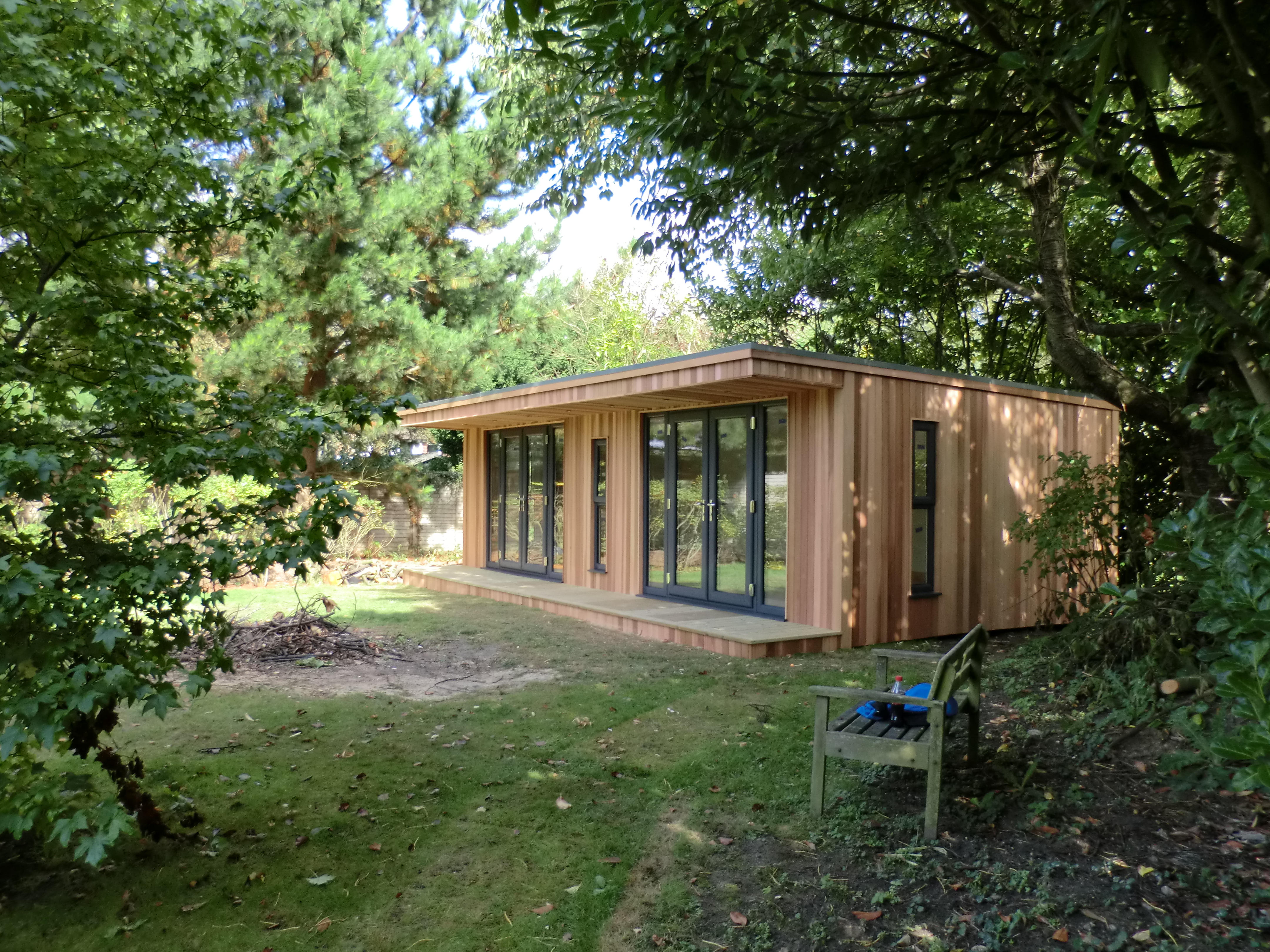
Garden rooms have become one of the most desirable home additions in recent years. Whether used as a home office, gym, art studio, or meditation retreat, these versatile spaces offer flexibility and privacy. But a new trend is emerging—homeowners are looking to monetise their garden rooms by listing them on Airbnb or other short-term rental platforms. It sounds simple enough: create a stylish, cosy space in your backyard and earn passive income from travelers seeking something unique. However, turning a garden room into a rentable Airbnb isn’t as straightforward as it may seem. There are legal considerations, planning permissions, building regulations, safety requirements, and market dynamics that need to be navigated. This article unpacks the key questions around garden room rentals and short-term letting: Can you legally Airbnb a garden room? Is it profitable? What are the practicalities?
Legal Considerations
Planning Permission and Permitted Development
In the UK, many garden buildings fall under permitted development rights, meaning you may not need full planning permission to build them—if they meet specific criteria. These include limits on size, height, distance from boundaries, and intended use. However, once a garden room is intended for habitable use—that is, for sleeping, bathing, or cooking—it may no longer fall under permitted development. This shift in use is typically classified as a material change of use and could require planning permission from the local council. In particular: if your garden room contains a kitchen or bathroom, it’s likely to be considered a self-contained dwelling, which nearly always needs permission. Even a small studio-type space used regularly for overnight guests may fall outside of the “incidental use” designation that permitted development allows. In urban areas, especially conservation zones or areas with Article 4 directions, development rights can be restricted altogether. Before hosting guests, it's wise to consult with your local planning authority to avoid fines, enforcement action, or the need to remove or decommission the space.
Building Regulations Compliance
Even if your garden room doesn't require planning permission, it may still need to comply with building regulations—especially if it’s being used for overnight stays. Building regulations ensure safety, insulation, accessibility, and energy efficiency. Some triggers for needing compliance include: internal area over 30m²; sleeping accommodations (even in smaller structures); inclusion of plumbing, electric heating, or hot water systems. Requirements may include: adequate insulation (floor, roof, and walls); fire-resistant construction; safe electrical systems with certified installations; adequate ventilation, smoke alarms, and emergency exits; proper foundations and structural stability. Many professionally built garden rooms are designed to meet or exceed building regulations, but DIY conversions often fall short. Before hosting guests, it's essential to ensure your structure meets these standards.
Licences, Limits, and Local Restrictions
Once you begin letting your garden room commercially, further rules apply: short-term let licences may be required by local councils for properties being used as holiday lets. These rules are especially strict in areas with high tourism or housing shortages. Letting duration limits also exist. In London, for example, a short-term rental property can only be let out for up to 90 nights per year without requiring a change of use application. Other parts of the UK may impose 140-night caps. Change of use classification is another consideration. Renting out a garden room long-term or intensively may trigger a change of classification from residential use to commercial use, which involves more complex planning and tax implications. It's important to understand your local authority’s position before you start hosting.
Insurance and Taxation
Insurance Requirements
Standard home insurance policies typically don’t cover the risks associated with short-term rentals. Once you start renting your garden room to paying guests, you may need: holiday let insurance to cover guest-related incidents; public liability insurance in case of injury or property damage caused by guests; contents insurance for furnishings and guest belongings. Failing to update your insurance could leave you financially exposed if something goes wrong.
Tax Implications
Income from Airbnb lettings is taxable. However, you may benefit from the £1,000 tax-free property allowance, which applies to small-scale letting. The Rent a Room Scheme allows up to £7,500 of tax-free income if the room is part of your main home. Capital gains implications may apply if you sell your property after extensive commercial use. Depending on the level of income, you may need to file a Self Assessment tax return. If your property qualifies as a furnished holiday let (FHL), different tax rules apply—including eligibility for business rates and certain reliefs.
The Market Opportunity
The Appeal of Garden Rooms to Guests
Garden rooms are increasingly attractive to Airbnb guests for several reasons: privacy, being separate from the main home, offers a peaceful retreat; unique character, as stylish, compact, and often nestled in gardens, they feel more personal than hotels; self-contained, with many featuring their own entrances, bathrooms, and mini kitchens; location flexibility, making suburban or rural hosts able to offer countryside experiences close to towns or cities. With domestic travel still strong, and interest in wellness, nature, and simplicity growing, garden rooms cater to a niche but growing market.
Earning Potential
Earnings vary widely depending on location, season, and setup. That said: in city suburbs or tourist areas, a well-fitted garden room can command £80–£150 per night. Rural or scenic properties with good reviews and appealing photos often see high occupancy in spring/summer. Even modest occupancy (e.g., 100 nights/year) could generate £10,000–£15,000 annually. Maximising returns involves good marketing, fast guest communication, cleanliness, and competitive pricing.
Guest Expectations and Setup Tips
To succeed on Airbnb, your garden room must deliver a comfortable and memorable guest experience. Consider the following essentials:
Comfort and Functionality
Provide insulation and heating for year-round use. Invest in a high-quality bed with hotel-grade linen. Use blackout blinds or curtains for privacy and sleep quality. Ensure fast Wi-Fi, especially for remote workers or business guests. Offer hot water and a private bathroom, if permitted.
Thoughtful Design
Use natural light and calming colour palettes. Keep clutter to a minimum—compact spaces should feel spacious. Add plants, artwork, and unique design touches. Offer a self-check-in option with a key safe or smart lock.
Amenities to Include
Stock a kettle, coffee machine, and mini-fridge. Include glasses, mugs, cutlery, and essentials like tea and coffee. Add a welcome pack with local information. Provide charging points, a small workspace, and hooks for coats or towels.
Operational Considerations
Running an Airbnb from your garden comes with responsibilities: guest screening, using platforms or systems that help avoid problem guests; turnaround cleaning, either done yourself or with a reliable cleaner; noise management, where soundproofing helps avoid issues with neighbours; legal documents, such as house rules and a guest agreement; security and safety, through smoke/CO alarms and emergency access protocols.
Pros and Cons
Pros
Low barrier to entry: No need to buy a second property. Good return on investment: Especially if you already own the garden room. Flexibility: Use it for personal use when not hosting. Attractive to niche guests: Especially digital nomads, solo travellers, and couples.
Cons
Regulatory complexity: Planning and compliance can be a minefield. Startup costs: Furnishing, insulation, and utilities must meet high standards. Maintenance: You’ll need to clean, restock, and maintain the space. Neighbour concerns: Increased footfall may create tensions.
Case Studies (Examples)
Example 1: Urban Garden Studio
Location: Suburban London. 20m² studio with en-suite bathroom and kitchenette. Achieves 70% occupancy at £110/night. Requires planning permission and compliance with building regulations. Hosts use a self-check-in process and professional cleaner.
Example 2: Countryside Retreat Cabin
Location: Near a national park. Rustic log cabin, 25m², no cooking facilities. Runs under permitted development and hosts under 90 days/year to stay within limits. Primarily a summer let, earning around £8,000 per season.
Final Checklist Before Listing
Here’s a simple step-by-step checklist:
-
Confirm planning status with your local council.
-
Check building regulations requirements.
-
Upgrade insurance to cover short-term letting.
-
Prepare the room with suitable insulation, furniture, and safety equipment.
-
Create an Airbnb profile and compelling listing.
-
Arrange for cleaning and guest management.
-
Research local pricing and competitor listings.
-
Track income and expenses for tax purposes.
Conclusion
So, can you Airbnb a garden room? The answer is yes—but only if you do it legally, safely, and thoughtfully. Planning laws, building regulations, and taxation rules must be respected. It's not a loophole—it’s a business venture. If your garden room is legally compliant, well-designed, and meets guest expectations, it can become a meaningful source of income. Whether you’re renting for a few weekends a month or offering a full-service micro-hospitality experience, the potential is real—just be prepared to do the groundwork.