
Can You Live in a Garden Room Full-Time? Legal & Practical Advice
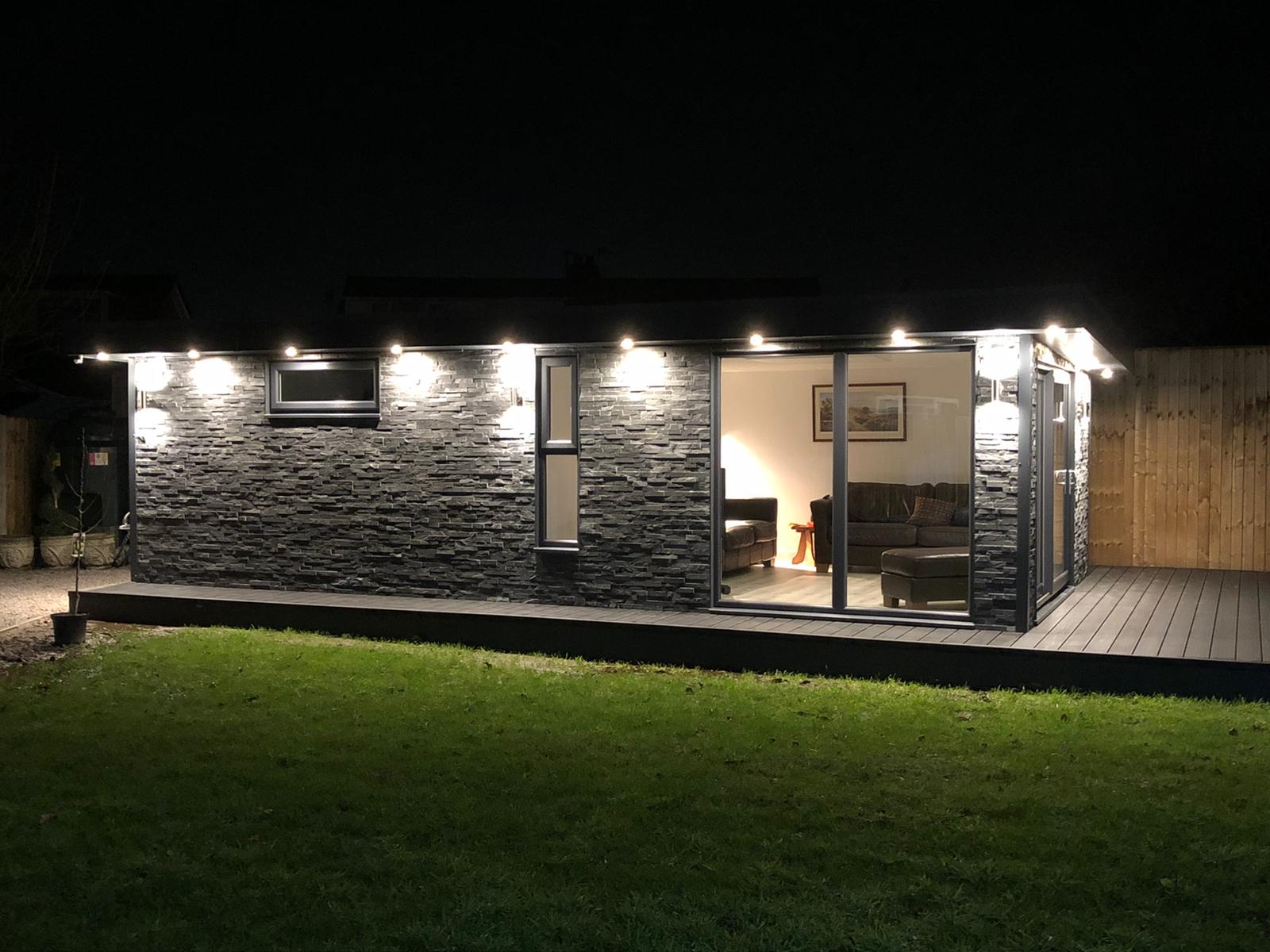
Garden rooms are no longer just glorified sheds. Modern designs offer high levels of insulation, double glazing, heating, and plumbing—transforming them into comfortable, stylish, and efficient spaces. As housing prices soar and living space becomes a premium, it’s no wonder people are starting to ask: Can you actually live in a garden room full-time? The idea may be appealing—less space, less cost, and greater independence. But the question touches on a web of legal, planning, and practical issues that need to be carefully addressed. Whether you're considering a garden room as a home for yourself, an elderly relative, or a young adult child, this article breaks down everything you need to know before turning the key.
What is a Garden Room, Really?
A garden room is typically a freestanding structure in a residential garden. It is separate from the main house and is often used as an office, studio, gym, or hobby space. Key features that differentiate a garden room from a summer house or shed include: insulated floors, walls, and roofs; double-glazed doors and windows; electricity and lighting; optional plumbing, heating, and internet. In short, many garden rooms are built to near-residential standards. However, being suitable for living and being legally permitted to live in are two very different things.
The Legal Framework in the UK
Planning Permission
Most garden rooms can be built without planning permission under permitted development rights, provided they meet certain conditions: they’re not used as self-contained accommodation; they are single storey; they are under 2.5m high (if within 2m of the boundary); they take up less than 50% of the garden space. These conditions make it clear: permitted development does not cover living in the structure. The moment a garden room becomes a dwelling—where someone eats, sleeps, and lives full-time—it becomes a material change of use. This requires full planning permission. Attempting to live in a garden room permanently without planning permission can result in enforcement action from the local authority, including fines or an order to remove or stop using the structure.
Building Regulations
Even with planning permission, the garden room must comply with building regulations to be considered a legal residence. This ensures the structure is: structurally sound; properly insulated; fire safe; ventilated; equipped with suitable plumbing and electrical systems. Many garden rooms built for occasional or seasonal use do not meet these standards. Living in one full-time without meeting building regulations can be dangerous, uncomfortable, and illegal.
Use Class & Council Tax
If you receive permission to live in a garden room, the local authority may classify it as a separate dwelling. This has further implications: you may be liable for council tax on the garden room separately; the garden room may need to be registered as a new residential address; services such as water, waste collection, and electricity may need to be metered independently. In other words, your garden room may legally become a second dwelling—with all the responsibilities that entails.
Exceptions: When Living in a Garden Room May Be Allowed
There are a few exceptions and scenarios where full-time residence in a garden room may be allowed, with proper permissions in place.
Annexes for Family Members
If you're building a garden room for a dependent relative, some councils may grant planning permission for an annexe. The key conditions usually include: it must not be separately rented or sold; it must remain clearly subordinate to the main house; it’s intended for a family member (e.g., elderly parent, adult child). In such cases, councils are often more lenient—especially when the garden room does not significantly affect the character of the neighbourhood.
Temporary Accommodation
Some councils may allow temporary use of a garden room for living—such as during renovations of the main house. However, this is usually time-limited and must be agreed upon in advance.
Rural or Agricultural Land
In more rural or agricultural settings, there may be broader allowances for secondary dwellings. However, these are assessed on a case-by-case basis and are subject to different planning laws than suburban residential areas.
Practical Considerations for Full-Time Living
Even if the legal boxes are ticked, there are several practical aspects to living in a garden room full-time.
Space & Layout
Most garden rooms are small—typically ranging from 12m² to 30m². That’s enough space for a bed, compact kitchen, small bathroom, and maybe a sofa or desk. Living in such a confined space requires clever layout design, minimalist living, and multifunctional furniture.
Insulation and Heating
A high-quality garden room should have: wall, roof, and floor insulation; double or triple-glazing; electric or underfloor heating. Without this, winter months will be cold and expensive to heat. Conversely, poor ventilation in summer can lead to overheating. Proper insulation and climate control are critical.
Plumbing and Waste
If your garden room includes a bathroom or kitchen, it needs: connection to the main sewer or a private waste system; hot water via a boiler or electric heater; reliable drainage and ventilation. Inadequate plumbing is one of the most common pain points in illegal full-time garden room use.
Electricity and Internet
Full-time living demands a consistent power supply for lighting, heating, cooking, and working. An approved electrician must install: consumer unit (fuse board); multiple sockets and lighting circuits; external grade cabling from the main house. Internet and phone lines can be extended via wireless repeaters or wired Ethernet from the main home.
Storage
Minimalism is essential. With limited floor space, creative storage solutions like under-bed compartments, wall-mounted shelves, and multipurpose furniture can make a huge difference. Clutter can quickly turn a garden room into a claustrophobic space.
Risks of Living Illegally in a Garden Room
Some people choose to live in a garden room without obtaining proper permission. This can lead to serious consequences: Enforcement action from the local council, including eviction or orders to dismantle the structure; Insurance invalidation in case of fire, injury, or theft; Difficulties with mortgages or property sales due to non-compliance; Lack of emergency access or safety features, especially in fire or medical situations. Living illegally in a non-compliant structure is risky—not just legally, but personally.
What to Do If You’re Considering It
If you’re seriously considering living in a garden room full-time, follow these steps: Speak to your local planning department: Ask whether what you're planning is considered a change of use and what your options are. Hire a planning consultant or architect: Especially if you’re in a conservation area or facing unique challenges. Work with reputable builders: Ensure your structure meets building regulations from the ground up. Consult a solicitor: Especially if you're converting land or building for tenancy purposes. Notify your mortgage lender and insurance provider: Full-time use may affect both policies.
Alternative Ideas
If permanent garden-room living is not legally viable, consider these alternatives: Using it as a part-time living space (e.g., retreat, guest suite, studio); Building an annexe extension attached to the house (which has clearer planning routes); Converting an existing garage or loft; **Renting a local studio flat while retaining the garden room for work or recreation). These options may be more practical in the long run and avoid legal grey areas.
Conclusion
The question “Can you live in a garden room full-time?” doesn’t have a simple yes or no answer—it depends entirely on how the room is built, why it’s being used, and whether the proper permissions and standards are met. In most cases, simply erecting a garden room under permitted development and deciding to live in it permanently is not allowed. You’ll need to seek planning permission, adhere to building regulations, and prepare for the legal and financial commitments that come with creating a permanent residence. However, when done right, a well-designed, legally compliant garden room can offer a unique and affordable lifestyle solution—whether for young adults, elderly parents, or as part of a multigenerational household setup. Thinking of building one? Start with research, talk to professionals, and approach it not as a loophole, but as a serious housing decision. With the right foundation—legal and literal—your garden room can truly become a home.