
Comparing Window Types for Garden Rooms: Double, Triple, or Acoustic Glazing?
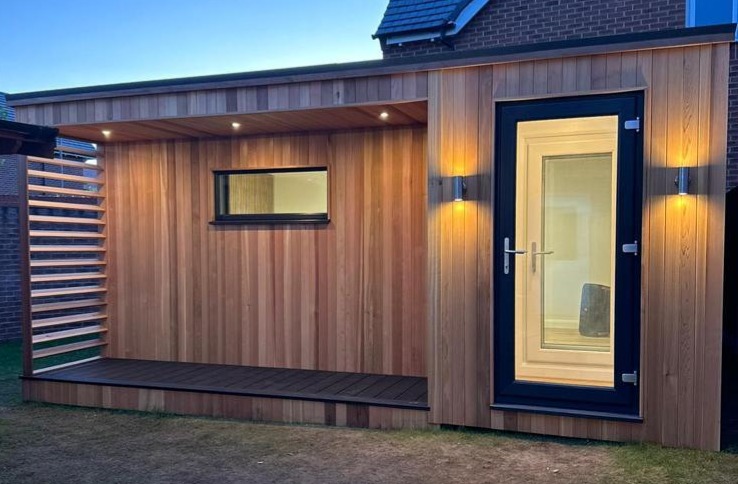
When it comes to designing a garden room, one of the most critical decisions is the type of glazing in the doors and windows. The choice between double glazing, triple glazing, and acoustic glazing affects comfort, energy efficiency, sound insulation, longevity, and cost. For a premium garden space—whether it’s a home office, studio, gym or guest retreat—choosing the optimal glazing type is about balancing performance with budget and site?specific conditions. In this article we’ll compare these three major window glazing types in detail, explain how each performs in a garden room context, identify key decision?factors, and provide actionable advice for specifying windows that deliver long?term value, performance and comfort.
What Are Double, Triple and Acoustic Glazing?
Double glazing means two panes of glass separated by a gap (often gas?filled) in a sealed unit, offering better insulation and noise reduction than single glazing. Triple glazing adds a third pane of glass and a second gap, further improving insulation and potentially reducing noise. Acoustic glazing is a specialised unit—often with laminated or varied?thickness panes, or specific gas cavities—designed primarily for noise reduction rather than maximum thermal performance. Acoustic glazing can be applied in either double? or triple?pane formats, but is optimised for sound management.
Each has technical implications: the number of panes influences thermal performance (U?value), the spacing and gas fill matter, the glass panes' thickness and composition matter, the type of frame and installation affect overall performance, and the site environment (sunlight, exposure, noise) will dictate whether premium glazing is worth the cost.
Performance Comparison: Thermal Efficiency
One of the main reasons for upgrading glazing in any building is to reduce heat loss (or heat gain) and therefore improve comfort and lower heating/cooling bills. For a garden room that is used year?round—particularly in cooler UK winters and temperate summers—good thermal performance matters.
Double glazing typically achieves U?values (thermal transmittance) that meet standard building requirements and are effective for most situations. For example, double glazed sealed units with appropriate gap and coating might achieve U?values around 1.1?W/m²K or better depending on frame, gas fill and coatings. In contrast, triple glazing can reach U?values significantly lower—some cited as 0.8?W/m²K or less in very high?spec installations. The incremental benefit therefore is noticeable—but context matters. In a garden room with good insulation, quality frames and low heat loss elsewhere, the gain from triple glazing may be marginal relative to cost. According to industry guidance, in many UK homes the upgrade to triple glazing only becomes worthwhile under specific conditions (very cold exposure, large glass areas, passive?house ambition).
Performance Comparison: Noise & Acoustic Insulation
While thermal performance is important, for many garden rooms sound insulation is equally critical—especially if the building is placed near a road, busy garden boundary, railway line or will be used for activities requiring quiet (music studio, podcasting, client meetings, therapy etc.). In this context the glazing choice has two dimensions: glazing type (double vs triple) and whether the unit is acoustically optimised (laminated, varying thickness, large air gap, special interlayer).
Research shows high quality double glazed units can reduce noise by about 30?40?dB in typical conditions, and triple glazing may offer a modest additional benefit. However, in many cases acoustic glazing (laminated panes, sound?dampening interlayers) will outperform standard triple glazing for sound reduction—even though triple glazing may be positioned as “better”. For high?noise environments, the specification of acoustic glazing is often the smarter choice.
Cost & Return Considerations
Cost is a major factor. Triple glazing units are heavier, more costly (glass, frame strength, installation complexity). Acoustic glazing may also carry a premium above standard units. So the decision often comes down to marginal benefit versus cost?effectiveness. If your garden room is well insulated elsewhere and located in a relatively quiet area, quality double glazing may deliver “enough” performance—allowing budget to be spent on other upgrades (insulation, HVAC, doors, cladding). On the other hand, if your garden room is large?glass, south?facing with high heat loss, or in a noisy boundary location, the extra cost of triple or acoustic glazing may pay dividends in comfort and usability.
Installation & Frame Considerations
Whichever glazing you choose, the window or door system’s frame, seals, installation, detailing and orientation matter just as much as the glass. A high?performing glazing unit will only deliver its stated performance if installed correctly with minimal thermal bridging, good weather?seals, correct frame insulation, and proper alignment. For glass?heavy garden rooms (large doors, full?height windows), the increased weight of triple glazing may require stronger frames or reinforced fixings, which adds cost. Installation quality is critical: even a standard double glazed unit will underperform if installed poorly, or if the frame is sub?standard.
Decision?Matrix for Garden Rooms
To guide your glazing choice, here’s a practical decision matrix covering major factors:
-
Site exposure: If your garden room faces noisy boundaries (road, rail), or has large glazed areas, acoustic glazing is high priority.
-
Usage: For high?end uses (studio, meeting room, let space) where comfort and sound matter, premium glazing pays. For casual office/gym use, a standard double may suffice.
-
Glass area: Rooms with extensive glazing or full?height doors/windows will benefit more from stronger performance glazing.
-
Budget & payback: Balance extra cost of triple/acoustic glazing against projected benefits (lower heating, higher comfort, better let/ resale value).
-
Frame & structure: If frame strength or cost will increase to support heavier glazing, confirm the total cost.
-
Thermal insulation of the whole room: If the room is otherwise very well insulated and airtight, the glass choice may have lesser proportional impact.
-
Noise environment: If external noise is low, the acoustic benefit of premium glazing may be minimal; if high, it can be a game?changer.
-
Longevity and resale: Premium glazing may enhance property value, especially if the garden room is marketed as a luxury or high?performance space.
Practical Guidance for Each Glazing Type
Double glazing:
-
Best all?round option for many garden rooms.
-
Adequate for many UK conditions in a well?insulated building.
-
Lower cost, lighter weight, simpler installation.
-
Recommended when budget is constrained, noise levels are moderate, glazing areas are moderate.
Triple glazing:
-
Offers improved thermal performance (lower U?value).
-
Marginally better noise reduction—but only if well specified.
-
Higher cost; heavier units may need stronger frames.
-
Best used in extreme exposure conditions (large glass façade, cold aspect, future?proofing for high?performance building).
-
For a garden room with large floor?to?ceiling glazing, south?facing or elevated position, triple glazing may pay off in the long run.
Acoustic glazing:
-
Specifically designed for sound insulation: laminated panes, mixed thickness, larger gaps etc.
-
May be more cost?effective for noise than standard triple glazed units.
-
Ideal for garden rooms used for music, podcasts, film, client meetings, or located near busy roads/rail lines.
-
If noise is a major factor, prioritise acoustic glazing even if thermal performance is not maximum—it can greatly improve usability and comfort.
Case Scenarios for Garden Rooms
Let’s look at a few example scenarios to illustrate how glazing choice might differ:
Scenario A – Quiet residential plot, moderate size garden room for home office
A 4 m?×?3 m garden room, moderate glazing (two large windows plus door), located away from noise sources. Budget is moderate. In this case high?quality double glazing with good frame and installation may deliver excellent performance. Triple glazing may be overkill; acoustic glazing unnecessary.
Scenario B – Large glazed garden room, south?facing, used as gym and guest lounge
A 6 m?×?4 m garden room with full?height glazed doors and side windows, south?facing and used year?round. Heating cost and comfort matter. Here triple glazing may make sense to minimise heat loss, reduce glare, maintain comfortable interior temperatures, and enhance resale value.
Scenario C – Garden room for music studio or client?facing meeting space, located near busy road
A 5 m?×?3.5 m sound?insulated garden room used as music production studio or client meeting space, located at the back of garden near a main road. Noise from traffic/rail is significant. In this scenario, acoustic glazing is the top priority—laminated, mixed glass thickness, high acoustic rating. Thermal performance is still important but may be secondary to noise reduction.
Long?Term Value and Resale Implications
From a resale or value viewpoint, glazing quality can matter. A garden room with premium glazing (especially if the building is marketed as luxury, high?end or client?facing) can enhance perceived value and usability. Future buyers may appreciate lower heating bills, quieter space, better sound insulation and comfort. On the flip side, if glazing is sub?standard, the space may feel cold, drafty or noisy—and that reduces the value of the garden room as an asset.
Myths and Misconceptions
-
Myth: “Triple glazing is always better than double glazing.” Reality: The incremental benefit depends heavily on installation, frame quality, and site conditions; poorly installed triple glazing may underperform cheaper, well?installed double units.
-
Myth: “Acoustic glazing is just triple glazing branded for sound.” Reality: Acoustic glazing is a specialised category—laminated or modified glass, specific interlayers, designed for noise control—so simply choosing “triple glazing” may not deliver the acoustic performance required in noisy environments.
-
Myth: “The more panes the better—it’s always upgrade.” Reality: Beyond three panes the marginal benefit reduces rapidly (costs increase, weight increases, diminishing returns). For many garden rooms a high?spec double unit may be optimum.
-
Myth: “Glazing choice is all that matters.” Reality: frame quality, installation, sealing, thermal breaks and whole building insulation matter just as much. Poor frame or sealing undermines glazing performance.
Checklist for Specifying Glazing for a Garden Room
To ensure your glazing delivers the performance you need, here’s a checklist to use when discussing options with your supplier or installer:
-
What is the U?value of the glazing unit and frame system?
-
What is the acoustic rating (dB reduction, STC rating) of the unit?
-
Is the glazing laminated or otherwise treated for acoustic or security performance?
-
What is the glass pane configuration: number of panes, thickness, gap width, gas fill?
-
What is the weight of the glazing unit and will the frame/support structure accommodate it?
-
What frame material is used (aluminium, composite, uPVC, timber) and how is thermal break managed?
-
How is the installation sealed and weather?proofed (seals, flashing, fit, drainage)?
-
What is the glazed area relative to the rest of the wall and how does that affect heat loss/gain and comfort?
-
Is the garden room in a noisy environment (road, rail, boundary)? If yes, is acoustic glazing specified?
-
Does the glazing package include warranties on performance and seals?
-
Does the glazing choice align with the overall insulation and HVAC design of the garden room (so optimum effect is obtained)?
Final Thoughts
Choosing the right window glazing for your garden room is more than a specification sheet—it’s about matching performance to use case, environment and budget. For many garden rooms, a high?quality double glazed unit installed in a well?insulated building will offer excellent comfort and value. For other applications—large glass façades, high?use client zones, noisy boundaries, year?round use in less?favourable exposures—triple glazing or acoustic glazing may be justified. Ultimately your decision should be driven by real requirements: noise reduction, thermal performance, resale value, usage pattern and site conditions. Invest smartly in glazing and you’ll enjoy a garden room that feels warm, quiet, comfortable and built to last.