
Composite vs Timber Cladding: Which is Better for Your Garden Room?
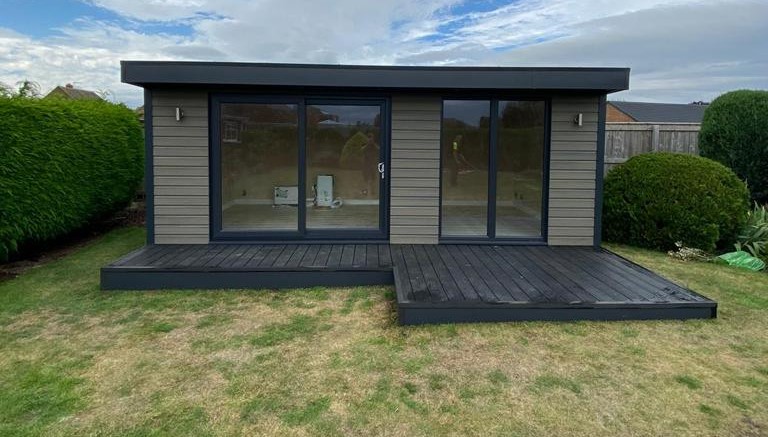
When designing your dream garden room, one of the most important decisions you'll make is the choice of exterior cladding. Cladding not only defines the visual character of your building but also plays a crucial role in its durability, weather resistance, and long-term maintenance. Two of the most common choices for cladding are timber and composite materials, each offering a unique set of advantages and considerations. In this comprehensive guide, we’ll explore the pros and cons of both composite and timber cladding to help you decide which is better for your garden room project.
What Is Cladding and Why Does It Matter?
Cladding is the outer layer that covers and protects the structure of your garden room. While it contributes significantly to the aesthetics of the building, it also has practical benefits, including protection from the elements, added insulation, and support in regulating internal temperatures. Choosing the right cladding ensures your garden room remains attractive and functional for years to come.
Timber Cladding: Natural Beauty With a Rustic Charm
Timber cladding has long been a popular choice for garden rooms, thanks to its natural appeal and timeless aesthetic. It blends seamlessly into green environments, offering a warm, organic feel that works particularly well in mature gardens or traditional settings.
Advantages of Timber Cladding
1. Natural Aesthetics
Timber provides a warmth and authenticity that is hard to replicate. The grain, knots, and tones vary from board to board, giving each building a unique look.
2. Biodegradable and Renewable
As a natural material, timber is an environmentally friendly choice when sourced from sustainably managed forests.
3. Versatile Finishes
Timber can be stained, painted, or oiled in different shades, giving you more flexibility to customise the appearance over time.
4. Traditional Appeal
For those looking to create a rustic or classic garden retreat, timber cladding provides an unmatched sense of charm and tradition.
Disadvantages of Timber Cladding
1. High Maintenance Requirements
One of the biggest downsides of timber is the level of upkeep it demands. To protect against weathering, rot, insects, and UV damage, timber must be regularly treated with oil, stain, or paint—typically every one to three years.
2. Vulnerability to Moisture
Without proper care, timber can absorb water, leading to warping, cracking, or fungal decay, particularly in damp or shaded gardens.
3. Fading and Discolouration
Exposure to sunlight causes timber to fade to a silvery grey over time. While some people like this effect, others see it as a sign of wear.
4. Less Fire Resistant
Untreated timber has a lower fire resistance than composite materials, which may be a concern for some homeowners.
5. Shorter Lifespan
Even with diligent maintenance, timber may not last as long as composite cladding, especially in harsh weather conditions.
Composite Cladding: Modern Performance With Minimal Maintenance
Composite cladding is made from a blend of recycled wood fibres and plastics, engineered to deliver the look of wood with superior durability and ease of care. Over the past decade, it has grown in popularity for use in premium garden rooms and outdoor structures.
Advantages of Composite Cladding
1. Low Maintenance
Unlike timber, composite cladding never needs to be stained, painted, or sealed. A simple wash-down once or twice a year is usually all that’s needed to keep it looking fresh.
2. Consistent Appearance
Composite boards offer a uniform look, free from knots, warping, or inconsistencies. This makes it ideal for modern or minimalist designs where clean lines matter.
3. Weather Resistant
Composite cladding resists moisture, frost, UV exposure, and temperature fluctuations. It won’t rot, crack, or split, even in the wettest parts of the UK.
4. Colour Stability
Thanks to UV inhibitors, composite cladding holds its colour much longer than natural timber. This means less fading and more visual consistency over the years.
5. Longer Lifespan
High-quality composite cladding can last 25–40 years or more with minimal upkeep, making it an excellent long-term investment.
6. Eco-Friendly Options
Many composite products are made using recycled materials, offering a sustainable solution with a reduced environmental impact.
7. Fire and Insect Resistance
Composite materials offer greater resistance to fire and are not attractive to insects or pests, which can be a concern with untreated wood.
Disadvantages of Composite Cladding
1. Higher Upfront Cost
One of the few drawbacks of composite cladding is the initial expense. It generally costs more per square metre than timber. However, this is often offset by the savings in maintenance and replacement over time.
2. Less Natural Look
While high-end composites do a good job of mimicking real wood, they can lack the organic variation and depth of grain that makes timber so visually rich.
3. Limited Customisation
Composite cladding comes in set colours and finishes, which can’t be stained or painted like timber. What you choose initially is what you’ll keep long-term.
4. Heat Retention
In direct sunlight, some composite materials may absorb and retain more heat than natural timber, although this is rarely an issue in the UK climate.
Key Comparison: Composite vs Timber Cladding
| Feature | Timber Cladding | Composite Cladding |
|---|---|---|
| Aesthetics | Natural, warm, unique | Uniform, sleek, wood-look |
| Maintenance | High – requires regular care | Very low – occasional wash only |
| Lifespan | 10–25 years with upkeep | 25–40+ years with minimal upkeep |
| Weather Resistance | Moderate to low | Excellent |
| Colour Fading | Fades without treatment | Fade-resistant |
| Fire Resistance | Low unless treated | High |
| Sustainability | Renewable if FSC certified | Often made from recycled materials |
| Upfront Cost | Lower | Higher |
| Long-Term Value | Medium | High |
Real-Life Considerations for Garden Room Owners
When choosing between timber and composite cladding, it’s important to think about your lifestyle, maintenance preferences, and design goals. If you enjoy hands-on home projects and love the character of natural wood, timber might appeal more—especially if you're comfortable with ongoing maintenance. On the other hand, if you want a low-maintenance solution with high performance and a sleek, modern look, composite cladding is likely the better choice.
Additionally, your location and environment should influence your decision. For example:
-
In damp or shaded gardens, composite is less susceptible to mould or rot.
-
In sunny, exposed spots, composite offers better UV resistance.
-
For coastal properties, composite cladding is more resistant to salt air and moisture.
Why Oeco Garden Rooms Uses Composite Cladding
At Oeco Garden Rooms, we specialise in designing and building luxury garden rooms that combine stunning aesthetics with practical, long-term durability. That’s why we exclusively use composite cladding on all our buildings. Unlike timber, composite cladding requires no painting, won’t rot or split, and retains its colour and shape for decades. It’s the ideal solution for customers who want a professional, stylish finish without the worry of frequent maintenance or early replacement.
Our composite cladding:
-
Is available in a range of premium finishes to suit your taste
-
Comes with long manufacturer warranties
-
Performs excellently in all UK climates
-
Enhances the modern, architectural appeal of our buildings
-
Offers better protection against pests, moisture, and UV damage
We believe composite cladding represents the best balance of form, function, and value—making it a smart investment for any garden room.
Final Thoughts
Choosing the right cladding for your garden room is about more than just appearance. It’s a long-term decision that impacts durability, maintenance, performance, and overall cost of ownership. While timber has undeniable charm and a traditional appeal, composite cladding delivers modern benefits that far outweigh its higher upfront cost. With almost zero maintenance, excellent weather resistance, and a longer lifespan, composite cladding is the clear winner for homeowners looking to enjoy their garden room without constant upkeep.
If you're planning to install a garden room and want a sleek, weather-resistant, and low-maintenance finish that will look great for years to come, composite cladding is the smart choice.