
Creating a Natural Pathway to Your Garden Room
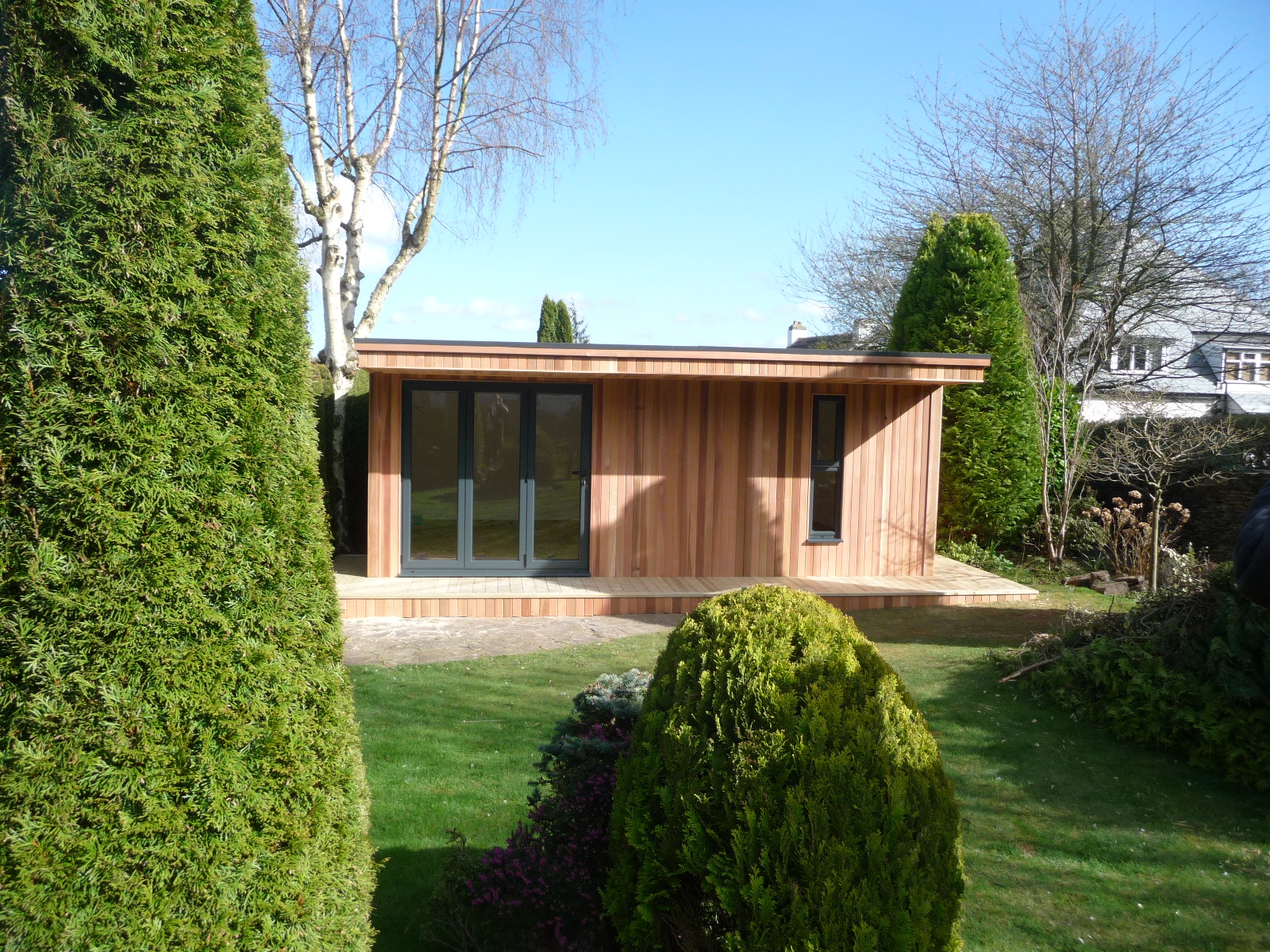
A garden room can be a beautiful and functional addition to your home, but how you access it can dramatically influence your overall garden experience. While the structure itself might be the focal point, the journey to get there should feel just as intentional. That’s where a well-designed natural pathway comes in. A thoughtfully crafted path leading to your garden room doesn’t just guide your steps—it sets the mood, defines the landscape, and brings cohesion between your home, garden, and outdoor building. In this article, we’ll explore how to create a natural-looking pathway that blends beautifully with your garden, complements your garden room design, and enhances your outdoor space’s usability and charm.
Why a Natural Pathway Matters
The first reason to consider a natural pathway is practicality. A defined route keeps you from trampling on your lawn or muddying your shoes during wet weather. But beyond functionality, a well-planned path becomes part of your garden’s story. It creates a sense of purpose, drawing your eyes and footsteps toward your garden room. It can add beauty, soften the hard lines of built structures, and increase your enjoyment of the outdoor space as a whole. Done right, a natural pathway feels like it’s always belonged—an organic extension of the garden, not just a utilitarian strip of stone.
Step 1: Evaluate the Layout and Garden Room Position
Before choosing materials or plants, you’ll need to assess where your pathway should begin and end, and how it will travel through the space. Is your garden room directly at the end of the lawn? Tucked into a corner? Hidden behind a border or beneath a canopy of trees? Identify the most logical and aesthetically pleasing route. The path doesn’t have to be a straight line—it can meander for a relaxed feel or follow the existing geometry of your garden. Consider sight lines from the house and focal points you want to highlight along the way, such as water features, sculptures, or flower beds.
Step 2: Choose Natural-Looking Materials
To keep the pathway feeling in tune with your outdoor space, natural materials are key. These options offer a softer, more organic look than concrete or tarmac and age beautifully over time.
Gravel: Affordable, quick to install, and great for informal gardens. Gravel paths allow water to drain and offer a satisfying crunch underfoot. To keep gravel in place, use timber or metal edging, and consider a weed membrane underneath.
Stepping Stones: Ideal for minimalist or Japanese-style gardens. Large, spaced-out stones set into grass or ground cover give a relaxed, light-touch feel. Natural slate, sandstone, or limestone are excellent choices.
Stone Slabs: For a more substantial path, irregular flagstones create a rustic charm. Choose local stone where possible for an authentic look.
Wooden Sleeper Paths: Reclaimed railway sleepers or timber planks can be laid flat or raised slightly for a boardwalk-style feel, particularly effective in shady or damp areas.
Bark Chips or Mulch: Perfect for woodland gardens or wildflower areas. These soft paths blend easily into the landscape and are especially child-friendly.
Mixing materials can also be effective—stone pavers set into gravel or bordered by timber can strike the perfect balance between structure and softness.
Step 3: Define the Path Edges
While natural pathways should feel organic, they still need some definition to prevent them from sprawling or blending too much into the surrounding ground. Low edging helps maintain shape and keeps materials like gravel or mulch contained.
Use timber sleepers, cobbles, brick edging, or metal strips to create a subtle but effective boundary. Alternatively, allow planting to form the edges of your path. Low-growing ground cover, clipped box hedging, or ornamental grasses can naturally guide the eye and frame the walkway.
Step 4: Consider the Width and Flow
Think about who will be using the path and how often. If it’s a daily route for one person, a narrow 50–60cm wide path may be sufficient. For two people walking side by side, or for a path that leads to a frequently used home office or studio, aim for at least 90–100cm wide.
Curved paths tend to feel more relaxed and natural than straight lines. They also create an illusion of distance and discovery—especially useful if you want to make your garden feel larger or lead visitors on a journey through it. Let the path gently bend around trees, beds, or features to enhance the sense of rhythm and invitation.
Step 5: Integrate Planting Along the Way
The planting you choose to frame or border your path can make a huge impact on its mood and character. Here are a few planting ideas based on the look you’re trying to achieve:
Cottage Style: Lavender, catmint, salvia, and daisies spilling over the edge of a gravel or stone path.
Woodland Path: Ferns, hostas, foxgloves, and ground covers like ajuga or lamium lining a bark or sleeper walkway.
Minimalist or Modern: Grasses like hakonechloa or carex, clipped evergreens, or architectural plants like alliums or agapanthus.
Wildlife-Friendly: Verbena bonariensis, echinacea, scabious, and other nectar-rich plants that draw bees and butterflies along the path.
Consider scent as well. Rosemary, thyme, and lavender are not only beautiful but aromatic—especially when brushed past on a narrow path.
Step 6: Light the Way
Adding subtle lighting to your natural pathway ensures it can be used safely after dark and adds a magical touch to the garden. Low-voltage LED stake lights or solar-powered lanterns are great options for lining the path without overwhelming it.
For more discreet lighting, consider recessed path lights, uplighting for trees or planting, or motion sensor spotlights mounted near your garden room. Warm white tones work best in gardens, offering a cosy and welcoming feel.
Step 7: Make it All-Weather Friendly
In the UK climate, it's important to think about how your path will perform in wet conditions. Choose slip-resistant materials, and ensure good drainage along the route. Gravel drains naturally, but other surfaces like stone slabs may need to be laid with a slight fall to shed water.
You may also need to elevate sections of the path slightly or build in drainage channels if the ground is prone to becoming waterlogged. Keeping the path clear of leaves and moss will also help reduce slipping risks and extend its lifespan.
Step 8: Incorporate Steps or Levels if Needed
If your garden is on a slope or uneven, a natural pathway should follow the contours gracefully. Steps can be integrated using stone risers, timber, or even compacted earth and gravel with a retaining edge.
A gentle incline can be made more walkable with landings or level platforms. If the transition is steep, you may want to add a handrail—timber posts and rope rails blend well in natural settings and support both style and safety.
Step 9: Connect with the Garden Room Design
A great pathway feels like an extension of your garden room. Use the same or complementary materials to tie them together. For instance, if your garden room has a cedar-clad exterior, consider timber sleeper edging. If it features anthracite grey window frames, use slate stepping stones or black basalt gravel to echo those tones.
The planting around the entrance of the garden room can mirror the species used along the path, providing cohesion and harmony. Consider small beds or containers near the doorway with matching plants, or a trellis with climbers to soften the transition from outdoors to indoors.
Step 10: Keep it Low-Maintenance
While natural paths are beautiful, they can require maintenance if not properly planned. Here are a few tips to reduce upkeep:
-
Use a geotextile membrane under gravel or mulch to suppress weeds.
-
Choose slow-growing, drought-tolerant plants if you won’t be able to water or prune regularly.
-
Edge your path to prevent soil or lawn from creeping over.
-
Refresh gravel or mulch annually to maintain appearance and function.
-
Sweep stone paths occasionally to prevent moss buildup.
With the right preparation, your natural pathway can remain attractive and functional with minimal ongoing effort.
Design Ideas for Inspiration
Here are a few creative pathway themes to spark your imagination:
The Woodland Retreat: A bark mulch path winds beneath mature trees, bordered by ferns, hostas, and primroses, leading to a cedar-clad garden room with green roof.
The Zen Garden Path: Large slate stepping stones set in white gravel, framed by dwarf pines, bamboo, and ornamental grasses. Clean lines and calm atmosphere.
The Cottage Garden Trail: A meandering gravel path flanked with lavender, alliums, hollyhocks, and foxgloves. Overflowing beds give a soft, romantic look.
The Modern Escape: Crisp lines of concrete pavers with low box hedging and uplights guiding the way to a minimalist garden studio.
Each theme reflects a different personality and garden room use—choose the one that best suits your lifestyle and setting.
The Emotional Journey
A garden path is not just about access—it’s about creating a journey. The textures underfoot, the rustle of leaves, the scent of herbs, the play of light—all combine to transform a simple walk into an experience. This emotional connection matters, especially if your garden room is a place for work, relaxation, or creativity. When the journey to it feels calming and immersive, the time you spend inside becomes even more enriching.