
Do Garden Room Builders Handle Everything or Just the Shell?
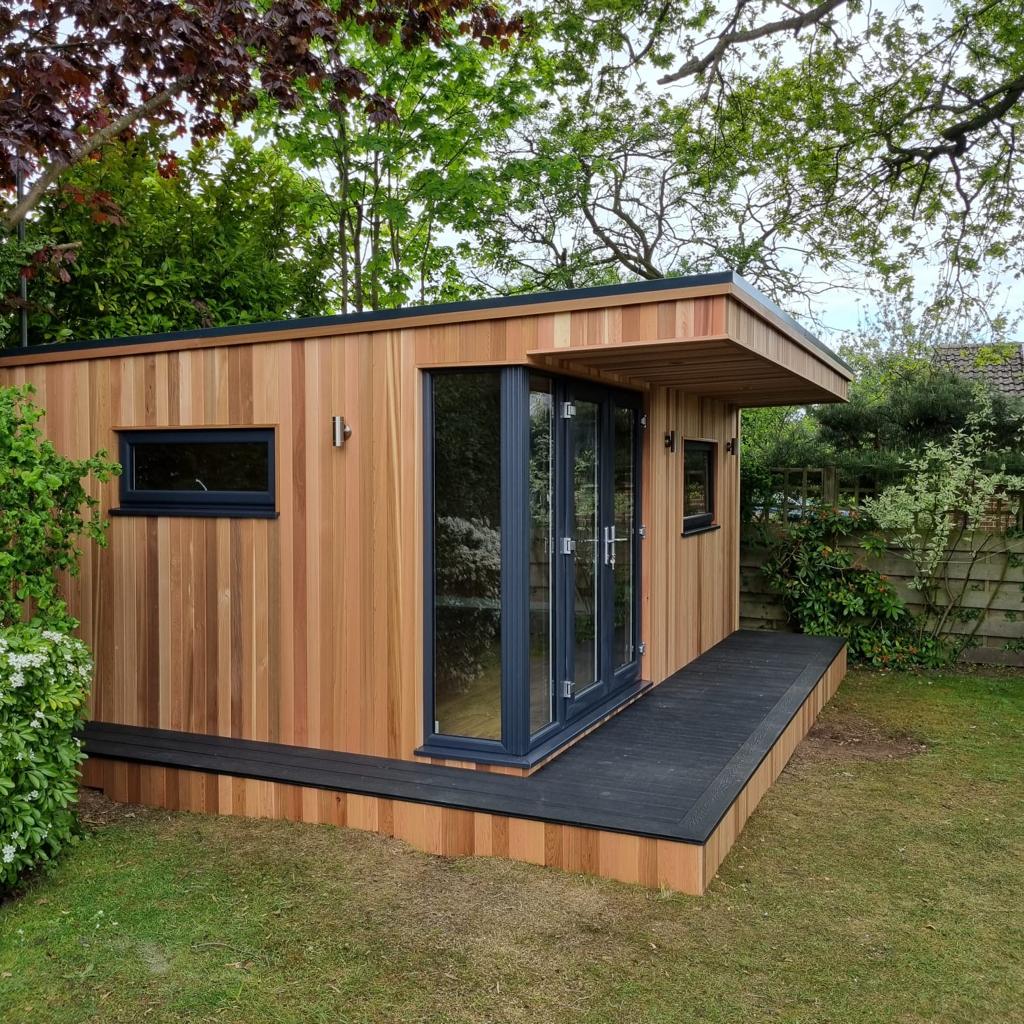
Garden rooms have exploded in popularity in recent years, offering homeowners a versatile and stylish way to expand their living space. Whether used as a home office, art studio, gym, or guest suite, these detached structures offer comfort and utility without the hassle of a full home extension. But as more people invest in garden rooms, an important question emerges: Do garden room builders handle everything from start to finish, or just the shell of the structure?
Understanding the scope of work your garden room builder offers is crucial to avoiding surprises, hidden costs, or project delays. In this comprehensive guide, we explore the full spectrum of services garden room companies might provide, what you can realistically expect, and how to ensure your project is completed to a high standard.
What Does "Just the Shell" Mean?
When a builder advertises a garden room shell, they are typically referring to the basic external structure. This includes:
-
The timber or SIP (Structural Insulated Panel) frame
-
External cladding and roofing
-
Windows and external doors
-
Basic sub-floor or foundation system
The shell forms the structural envelope of the building but does not include internal finishes, electrics, plumbing, or decorating. It's essentially a waterproof, wind-tight box that still requires considerable work to become a usable living or working space.
Turnkey Garden Room Builds: The Full-Service Option
A full-service or "turnkey" garden room builder manages every stage of the project, from initial consultation to final handover. This typically includes:
-
Site survey and design consultation
-
Planning advice or applications if needed
-
Foundations and groundworks
-
Full shell construction
-
Internal plastering, painting, and flooring
-
Electrical installation, lighting, sockets, heating
-
Plumbing for sinks, toilets, or showers (if applicable)
-
Final clean and handover
Many premium garden room providers offer turnkey builds as a standard, giving clients a stress-free, all-inclusive experience. This model is particularly attractive for homeowners who want a ready-to-use space with minimal hassle.
Modular vs Bespoke Builders: A Key Distinction
Modular builders often focus on prefabricated structures built off-site and delivered largely complete. In these cases, you may still need to arrange for groundworks, utility connections, or internal finishing separately. Bespoke on-site builders, on the other hand, typically offer greater flexibility and are more likely to handle the entire process themselves.
When comparing quotes, always clarify whether you're working with a modular builder that drops off a shell, or a bespoke builder who manages everything.
Site Preparation and Groundworks: Who Handles This?
Groundworks are essential and often overlooked in garden room projects. These can include:
-
Clearing and levelling the site
-
Installing foundations (concrete slab, ground screws, or pads)
-
Laying drainage and access paths
-
Making provisions for electrics and plumbing
Some builders include this as standard, while others expect the site to be ready before they arrive. If your quote doesn’t clearly mention groundwork, it’s a sign you may need to organise this separately.
Internal Finishes: Beyond Four Walls
Turning a shell into a functional, beautiful space requires several key internal components:
-
Insulation and plasterboard
-
Skimming or taping and jointing
-
Flooring (laminate, carpet, vinyl, etc.)
-
Painting or decorating
-
Fixtures like skirting, sockets, and switches
Some budget builders leave these for the client to complete, whereas full-service companies include them. Check your quote for terms like "fully finished interior" or "plastered and painted walls" to confirm what's included.
Electrics: Powering Up Your Garden Room
Electricity is essential for heating, lighting, and using the space year-round. A complete electrical package usually includes:
-
Internal sockets and light fittings
-
Fuse box or consumer unit
-
Connection to the main house (usually via armored cable)
-
External lighting or sockets (if specified)
Many builders include first and second fix electrics but not the connection to your house’s mains. That final connection often requires a certified electrician and may be charged separately.
Plumbing and Bathrooms: A Grey Area
If your garden room includes a bathroom, kitchenette, or wet bar, plumbing becomes a more complex task. Builders may offer the following options:
-
First fix only (pipes laid but not connected)
-
Full plumbing installation (supply and waste)
-
Supply only, with connection by a local plumber
Plumbing often requires coordination with external drainage systems, soakaways, or even a macerator pump. Clarify early whether your builder handles this or if you need to bring in your own tradespeople.
Planning and Permissions: Guidance or Full Management?
Most garden rooms fall under Permitted Development, but exceptions apply—especially for large structures, listed buildings, or conservation areas. Some builders:
-
Offer general advice only
-
Provide drawings for submission
-
Handle the entire application process on your behalf
For peace of mind, a builder that manages planning from start to finish can save you time and reduce errors.
Heating, Cooling, and Comfort Systems
Temperature control matters, particularly if you plan to use the space year-round. Builders may offer:
-
Electric panel or infrared heaters
-
Underfloor heating
-
Air conditioning or mini-split systems
-
Roof and wall insulation to meet high thermal standards
Always ask if heating and insulation meet Building Regulations standards, especially if the room will be regularly occupied.
Customisation and Mid-Build Flexibility
One of the key benefits of working with an on-site, full-service builder is the ability to customise:
-
Window and door placement
-
Number of sockets and their location
-
Lighting types and positions
-
Choice of flooring or paint colours
Modular or shell-only builders often don’t allow mid-project changes because the components are pre-manufactured. Choose a builder who gives you some flexibility if your design needs may evolve.
Post-Build Services: Guarantees and Support
After your garden room is complete, ongoing support matters. Full-service builders often provide:
-
Structural warranties (usually 10 years)
-
Electrical certification
-
Snagging and touch-ups
-
Aftercare support and maintenance options
A shell-only builder may leave you to coordinate final works, snagging, or troubleshooting with other trades.
Cost Differences: What You Pay For
A shell-only garden room might cost significantly less upfront, but once you add the expense of hiring trades for electrics, plumbing, insulation, and finishes, the total cost can end up similar to a turnkey build. Full-service providers offer better project control, less stress, and often faster completion timelines. Always compare like-for-like quotes and factor in the hidden costs of managing the finishing stages yourself.
Conclusion: Choose the Right Fit for Your Project
Whether a garden room builder handles everything or just the shell depends on the company, the contract, and your preferences. If you're hands-on and have trade contacts, a shell-only build could save money. But for most homeowners, a turnkey solution delivers peace of mind, cohesive quality, and a space that's ready to use the moment the builder leaves. The key is clarity. Before signing anything, make sure your contract outlines exactly what’s included, from groundwork to paint finish to electrics. That way, your garden room project stays on time, on budget, and free of unexpected surprises.