
Do You Need Planning Permission for a Garden Room in the UK?
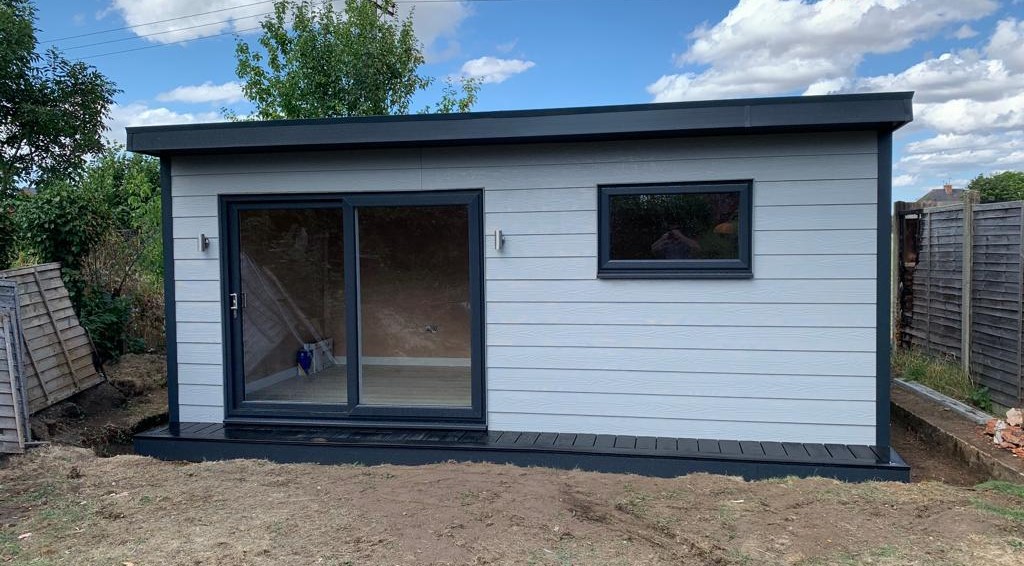
Garden rooms have become a popular way for UK homeowners to add valuable living space without the complexity or cost of a traditional extension. Whether used as a home office, gym, creative studio, or guest room, these standalone structures are versatile, stylish, and practical. But before you start planning your perfect garden retreat, there's one critical question to answer: Do you need planning permission for a garden room in the UK?
The answer depends on a range of factors, including size, location, use, and local council policies. In this comprehensive guide, we break down the rules surrounding planning permission for garden rooms in the UK, explain when you do and don't need it, and offer expert advice to help you stay compliant.
Understanding Permitted Development Rights
In many cases, garden rooms can be built without the need for planning permission under what are known as Permitted Development (PD) rights. These are government rules that allow certain types of development without having to submit a formal planning application.
For a garden room to fall within Permitted Development:
-
It must be single-storey
-
It cannot contain sleeping accommodation
-
It must be located at the rear or side of the property (not in the front garden)
-
It must not take up more than 50% of the land around the original house
-
The overall height must not exceed 4 metres (with a dual-pitched roof) or 3 metres (for other types of roofs)
-
If within 2 metres of a boundary, it must not exceed 2.5 metres in height
These rules apply to houses, not flats or maisonettes, and are only valid where PD rights have not been removed by the local authority.
When You DO Need Planning Permission
There are several scenarios in which planning permission is required:
-
The garden room includes a bed or is used as permanent living accommodation (considered an annex or new dwelling)
-
Your property is in a conservation area, national park, AONB (Area of Outstanding Natural Beauty), or is listed
-
The structure will be built in the front garden or visible from the road
-
The garden room exceeds the size or height limits outlined by PD rights
-
Your property has had PD rights removed via an Article 4 direction
-
You live in a flat, converted building, or new development with planning restrictions
In any of these cases, you'll need to submit a full planning application to your local council, which can take around eight weeks for a decision.
Key Size and Height Restrictions
The height and footprint of your garden room are crucial in determining whether it needs planning permission:
-
Max height of 4 metres for a pitched roof
-
Max height of 3 metres for a flat roof
-
Max height of 2.5 metres if within 2 metres of the boundary
-
Eaves height must not exceed 2.5 metres
-
Must not occupy more than 50% of the garden
If your design breaches any of these limits, even slightly, a planning application will be required.
Use Case: What Are You Using It For?
The purpose of your garden room plays a big role in whether you need planning permission. Common use cases under PD include:
-
Home office
-
Art or music studio
-
Gym or yoga room
-
Playroom or hobby space
However, if you plan to use the space as:
-
A bedroom or place to sleep
-
A rental space (e.g. Airbnb or holiday let)
-
A self-contained living unit
...you’ll likely need permission, as the structure would be reclassified as a habitable outbuilding.
Plumbing and Kitchen Facilities
Installing a toilet, shower, or kitchenette in your garden room doesn't automatically mean you need planning permission, but it increases the likelihood that your local planning authority will consider the structure a habitable space, especially if it could be used as accommodation.
In these cases, you may also need Building Regulations approval. A qualified garden room builder can help advise on compliance if you want water and waste systems included.
Building Regulations: A Separate Consideration
Planning permission and Building Regulations are two different processes. Even if your garden room doesn’t need planning permission, it might still need to meet Building Regulations standards, especially if:
-
It is over 15 square metres and used regularly
-
It is over 30 square metres in internal floor area
-
It contains sleeping accommodation
-
It includes fixed plumbing (bathroom, kitchen, etc.)
Approved garden room providers will either construct the building to meet Building Regulations or advise you to seek approval from your local authority's Building Control department.
Lawful Development Certificate (LDC)
If your garden room falls within PD rights and you want formal confirmation from your council, you can apply for a Lawful Development Certificate (LDC). While optional, it is highly recommended for peace of mind, especially if:
-
You plan to sell your home in the future
-
Your property is in a location with complicated planning history
-
You want to avoid future enforcement action
The LDC application process is simpler and faster than full planning permission and typically takes 4–6 weeks.
Special Considerations for Listed Buildings and Conservation Areas
If your property is:
-
Grade I, II, or II listed*, or
-
Located in a conservation area
...Permitted Development rights are often limited or removed. Any changes to the property or new structures in the garden may require planning permission or listed building consent.
In these cases, consult your local council early and consider hiring a planning consultant or architect with experience in heritage properties.
Planning for Businesses and Garden Offices
Using a garden room for a home office does not usually require permission, provided the work is incidental to the use of the main house and doesn’t cause noticeable changes to the property’s appearance or increase traffic/noise.
However, if the use is commercial (e.g. beauty salon, dog grooming, therapy space with visiting clients), your local council may require a change of use or full planning application.
Applying for Planning Permission: What’s Involved?
If you do need to apply for planning permission, here’s what to expect:
-
Prepare drawings and site plans (you may need a designer or architect)
-
Complete the application via the Planning Portal or your local council
-
Pay the fee (usually around £200-250 for a householder application)
-
Wait for the 8-week consultation period
You may also need to provide supporting documents such as a design and access statement or environmental reports, depending on your site.
If your application is refused, you can appeal the decision, revise the design, or work with your builder to find a permitted alternative.
How a Professional Garden Room Company Can Help
Many experienced garden room builders offer planning support as part of their service, including:
-
Site surveys
-
Scaled drawings and 3D renderings
-
Advice on PD compliance
-
Preparation and submission of planning applications
-
Liaison with planning officers
Working with a knowledgeable builder ensures you stay on the right side of the rules and avoids expensive reworks later.
Cost and Timeline of Planning Applications
Planning permission costs include:
-
Householder application fee: ~£220
-
Drawings and plans: £500–£1500 depending on complexity
-
Consultant or agent fees (optional): £300–£750
Timelines:
-
Pre-application advice (optional): 2–3 weeks
-
Planning decision: 8 weeks (plus 1–2 weeks for validation)
This means you should factor in at least 10 weeks if planning permission is required.
Conclusion: Know Before You Build
The majority of garden rooms in the UK do not require planning permission, thanks to generous Permitted Development rights. However, every property is unique, and details such as size, height, location, and use can quickly change what is allowed.
Before you begin, check the rules that apply to your home. Speak with a garden room specialist who understands planning policy, and when in doubt, secure a Lawful Development Certificate or full planning approval.
With proper preparation, you can enjoy your new space without delays, fines, or future complications. Planning may sound daunting, but with the right help, it can be a smooth and rewarding step in creating your dream garden retreat.