
Eco-Friendly Garden Rooms: How Sustainable Can They Be?
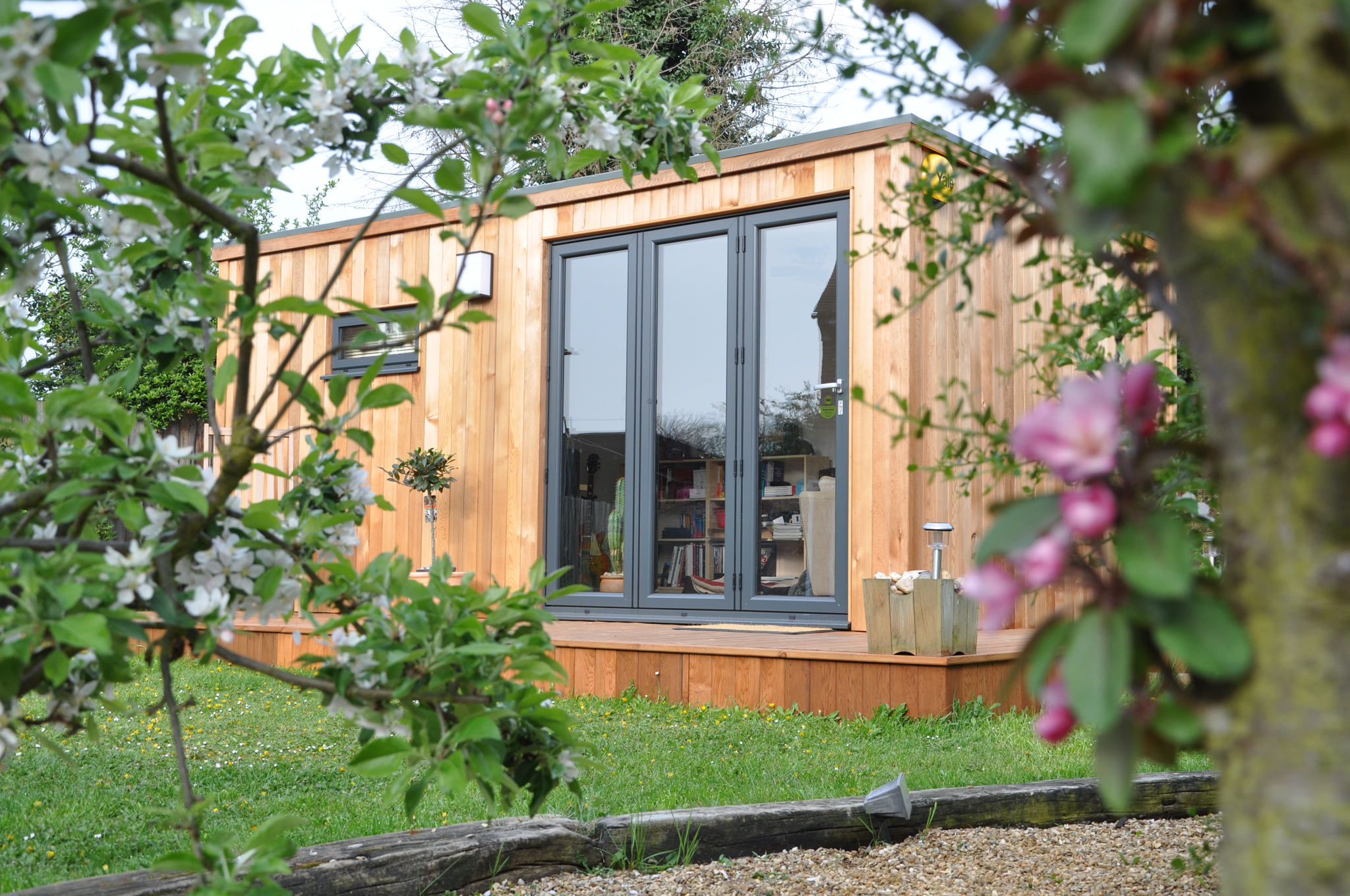
Garden rooms are one of the most sought-after property additions in the UK. From home offices to yoga studios, creative spaces to teenage dens, they add versatility, beauty, and value. But as more people pursue eco-conscious lifestyles, a new question arises: Can a garden room be truly sustainable? The answer is yes—if it's designed and built with the environment in mind. In this article, we explore the many dimensions of building and owning an eco-friendly garden room. From material choices and energy efficiency to off-grid power and long-term lifecycle planning, we break down what makes a garden room truly green—and how you can reduce your carbon footprint without sacrificing comfort or design.
What Makes a Garden Room Eco-Friendly?
An eco-friendly garden room minimises its environmental impact across its entire lifecycle—from sourcing materials and energy efficiency during use to longevity and end-of-life recyclability. To qualify as “sustainable,” a garden room should ideally: be built with responsibly sourced or recycled materials, maximise thermal performance to reduce heating/cooling needs, incorporate renewable energy or energy-efficient systems, be long-lasting and low-maintenance, and have minimal impact on the site or surrounding ecosystem. In short, sustainability in garden rooms is about more than just adding a solar panel—it involves every aspect of design, construction, and use.
Sustainable Materials: Building From the Ground Up
The core structure of a garden room is typically timber, which is already one of the most sustainable building materials available—provided it’s sourced responsibly. Look for wood certified by the FSC (Forest Stewardship Council) or PEFC (Programme for the Endorsement of Forest Certification). These labels ensure the timber is harvested in an environmentally responsible, socially beneficial, and economically viable manner. Other sustainable material choices include: SIPs (Structural Insulated Panels): Highly energy-efficient and reduce material waste; Recycled or reclaimed wood for cladding or interior finishes; Sheep’s wool, hemp, or wood fibre insulation instead of petrochemical foams; Natural paints and finishes low in VOCs (volatile organic compounds). Even fixtures like windows, doors, and flooring can be selected for sustainability—look for manufacturers who use recycled aluminium, bamboo flooring, or low-impact manufacturing techniques.
Low-Impact Foundations: Protecting the Soil Below
Traditional concrete slabs are high in embodied carbon and disrupt the natural soil structure. Fortunately, there are several greener alternatives: Ground screw foundations: These steel screws are driven into the soil with minimal disruption and can be removed later with little impact; Timber pads or concrete-free footings: These distribute weight while allowing the earth to breathe and can often be reused or recycled. Choosing the right foundation system helps preserve your garden’s natural drainage, soil health, and biodiversity while dramatically reducing the carbon impact of the build.
Insulation and Airtightness: Energy Savings Year-Round
An energy-efficient garden room is one that stays warm in the winter and cool in the summer without the need for excessive heating or air conditioning. Key considerations include: High-performance insulation in the walls, roof, and floor. Natural materials like wool or hemp are breathable and carbon-neutral; Airtight construction: Minimising gaps and thermal bridging ensures no heat escapes; Double or triple-glazed windows and doors with low U-values; Breathable membranes: These help manage moisture without compromising insulation. A well-insulated, airtight garden room drastically reduces ongoing energy use—often the largest contributor to a building’s carbon footprint over time.
Heating and Power: Going Renewable
Eco-friendly doesn’t mean cold. With smart design and renewable energy, your garden room can be both warm and efficient. Options include: Infrared heating panels: Energy-efficient, low-impact to install, and cost-effective; Electric underfloor heating: Controlled by smart thermostats and ideal for year-round use; Solar panels: If you have a south-facing roof, small-scale solar systems can generate power for lighting, heating, and laptops; Battery storage: Pairing solar with storage can keep your garden room off-grid or provide backup energy. If solar isn’t an option, ensure your power source comes from a renewable energy supplier and consider using low-energy appliances and LED lighting.
Water and Drainage: Managing Rain and Runoff Sustainably
Even garden rooms without plumbing should consider water management. Runoff from a flat roof can quickly overwhelm garden drainage or contribute to erosion. Sustainable solutions include: Green roofs: These planted systems absorb rainfall, reduce heat gain, and create biodiversity; Rainwater harvesting systems: Even a small water butt can reduce reliance on mains water for garden use; Permeable ground surfaces: Gravel, grass grids, or permeable slabs help manage runoff naturally.
Modular vs Traditional Construction: Which Is Greener?
Modular garden rooms, built in factories and delivered in sections, often claim a lower carbon footprint due to reduced on-site waste. However, this depends on several factors: Transport distances: A factory 300 miles away offsets any savings from speed; Access issues: Large pre-built pods require cranes or machinery that damage landscapes; Design limitations: Limited ability to orient windows for solar gain or natural shading. Traditional on-site construction, particularly when handled by skilled builders using responsibly sourced materials, can be just as (if not more) sustainable—especially when it offers flexible, passive solar design and reduces heavy machinery use.
Design for Lifespan and Adaptability
A sustainable garden room should last for decades—and remain useful throughout that time. Design choices that increase longevity include: Durable cladding like cedar or composite with minimal maintenance needs; Future-proof layouts that allow the room to evolve from office to studio to guest room; Easily replaceable parts: Modular roof panels, clip-on cladding systems, or adjustable internal walls; Recyclable or biodegradable materials: So the room leaves no waste at end-of-life. The longer your garden room lasts and the less it needs to be replaced, the greener it is overall.
Biodiversity and Nature Integration
True sustainability doesn’t just reduce harm—it enhances the natural environment. Garden rooms can support local ecology by: Using green roofs or climbing plants for pollinator habitats; Installing bird boxes or bug hotels on outer walls; Choosing native plants around the base to attract wildlife; Minimising outdoor lighting to reduce disruption to nocturnal animals. This “rewilding” mindset ensures your garden room adds ecological value—not just square footage.
Certifications and Builder Credentials
If sustainability is a key priority for your build, ensure your chosen builder aligns with these values. Look for: FSC or PEFC certification on timber; Membership in green building organisations like the AECB or Passivhaus Trust; ISO 14001 accreditation for environmental management; Use of local suppliers to cut transport emissions. Reputable eco-conscious builders will also provide full transparency on material sourcing, energy ratings, and carbon calculations for their structures.
Cost of Building Sustainably—Worth the Premium?
Eco-friendly garden rooms can cost more upfront—particularly when using higher-grade insulation, non-toxic finishes, or renewable energy tech. However, the long-term savings often outweigh the initial cost: Lower energy bills, less maintenance, longer lifespan, enhanced property value. Moreover, incentives like zero-rated VAT for certain energy-saving materials or green finance loans for sustainable improvements can help manage costs.
What’s Possible Today—and What’s Next?
Thanks to innovations in sustainable design and construction, today’s garden rooms can achieve impressive performance levels. Some premium builds now offer: Net-zero or energy-positive status; Smart sensors for ventilation and efficiency; BREEAM or EPC ratings for garden structures; Full off-grid capability with composting toilets and solar showers. As materials and technologies continue to evolve, future garden rooms may feature carbon-sequestering walls, AI-powered climate control, or fully modular biodegradable structures.
Conclusion: Sustainable, Stylish, and Built to Last
Eco-friendly garden rooms are not only possible—they're the future. With careful planning, thoughtful design, and the right materials, you can create a space that’s as gentle on the planet as it is powerful in purpose. Whether you’re working from home, exercising, creating, or simply relaxing, a sustainable garden room lets you do it all—while aligning with your environmental values. From green roofs to solar panels, natural insulation to recycled foundations, the eco options available today are more advanced, more beautiful, and more effective than ever. If you’re planning your own garden room, make sustainability part of the blueprint. The environment—and your energy bill—will thank you.