
Energy Efficiency in Garden Rooms: What You Should Know
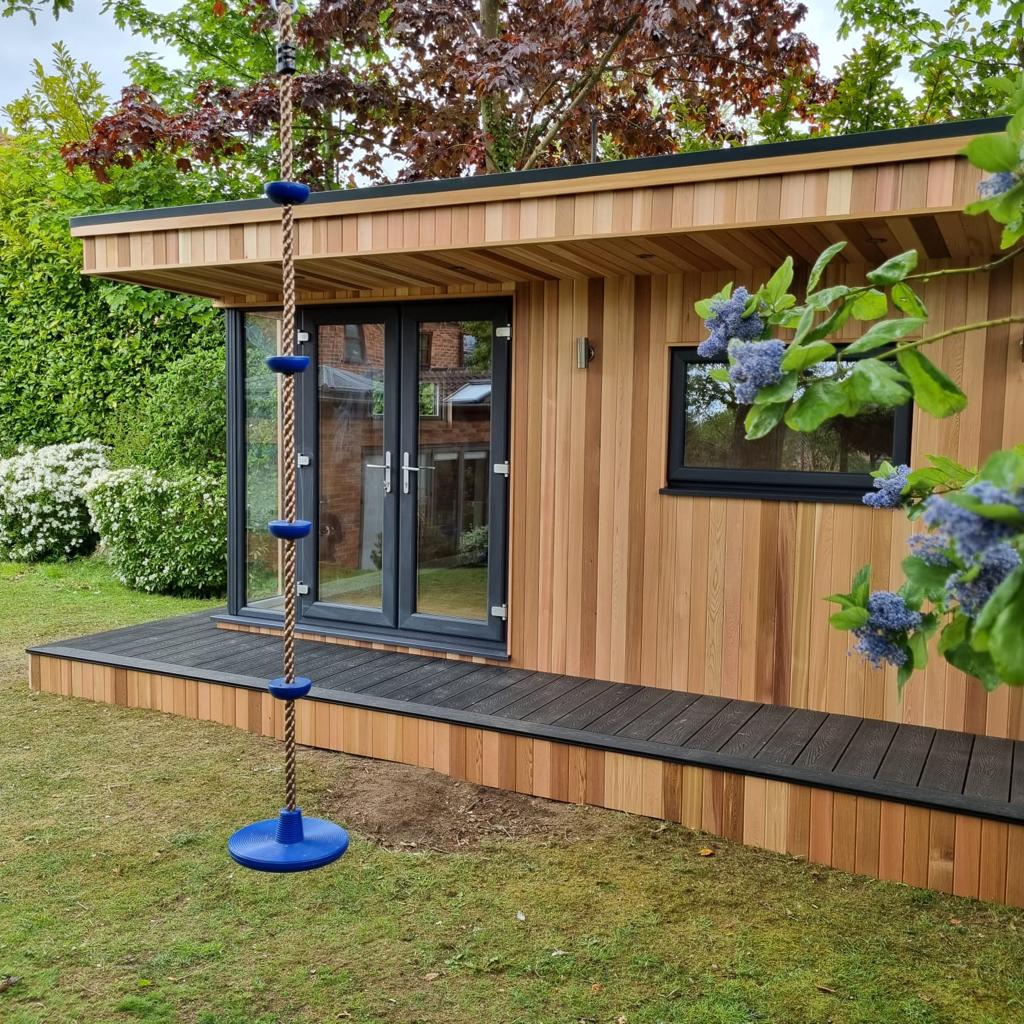
With the rising popularity of garden rooms as home offices, gyms, studios, and guest spaces, energy efficiency has become a central concern for homeowners. A poorly insulated or inefficiently designed garden room can lead to high energy bills, uncomfortable temperatures, and increased carbon emissions. On the other hand, an energy-efficient garden room provides year-round comfort, lower operational costs, and a smaller environmental footprint. In this comprehensive guide, we'll cover the principles of energy efficiency in garden rooms, the materials and design choices that matter, and how to ensure your investment performs well in the long term.
The Foundations of Energy Efficiency
The first step toward energy efficiency starts beneath your feet. The type of foundation your garden room is built on can impact both heat retention and long-term sustainability. Traditional concrete slabs have high thermal mass, but they can be cold and energy-intensive to produce. Modern alternatives include:
-
Insulated concrete slabs with integrated rigid insulation.
-
Ground screws or timber pads that allow for airflow while enabling insulation to be fitted under the floor.
-
Suspended timber floors with mineral wool or PIR board insulation. Proper insulation at the foundation level reduces thermal bridging and keeps heat from escaping through the floor, one of the most overlooked sources of heat loss.
Wall and Roof Insulation
Insulation is the most important factor in achieving energy efficiency. High-end garden rooms use structural insulated panels (SIPs) or timber frame constructions with insulation between the studs. Key materials include:
-
Rigid PIR boards: High thermal resistance per inch, ideal for walls and roofs.
-
Mineral wool: Cost-effective, breathable, and fire-resistant.
-
Sheep's wool or recycled denim: Eco-friendly, natural insulation alternatives.
-
Multifoil insulation: Reflective layers that work well in tight spaces. Insulation should meet or exceed U-values of 0.30 W/m²K for walls and 0.20 W/m²K for roofs to comply with or outperform building standards. Breathable membranes and vapour barriers also help manage moisture while retaining heat.
Windows and Doors
Windows and doors can be the biggest culprits for heat loss if not chosen carefully. Look for:
-
Double or triple glazing with low-emissivity (Low-E) coatings.
-
Argon-filled cavities between panes for improved thermal insulation.
-
Thermally broken aluminium or uPVC frames to reduce cold bridging.
-
High-quality seals and locks to prevent draughts. Orientation matters too: south-facing glazing can harness passive solar heat, while north-facing walls should minimise window area.
Heating and Cooling Options
Once your garden room is well-insulated, you can heat and cool it efficiently with minimal energy. Options include:
-
Electric panel heaters or infrared panels: Quick to install and cost-effective.
-
Air source heat pumps (mini-split systems): Highly efficient for heating and cooling, especially with programmable thermostats.
-
Underfloor heating: Works best in well-insulated rooms and can be paired with renewables. Avoid traditional radiators or fan heaters, which can be inefficient and uneven.
Ventilation and Air Quality
Good ventilation is vital for maintaining healthy indoor air and avoiding condensation, especially in well-sealed buildings. Consider:
-
Trickle vents in windows.
-
Mechanical Ventilation with Heat Recovery (MVHR) systems for larger garden rooms or frequent use.
-
Extractor fans in garden rooms with plumbing or high moisture content. Passive ventilation strategies, like cross-ventilation from opposite-opening windows, can also help.
Lighting and Electrical Efficiency
Reducing energy consumption from lighting and appliances is just as important as heating. Best practices include:
-
LED lighting throughout, ideally on dimmers or smart controls.
-
Task lighting to reduce the need for whole-room illumination.
-
Smart plugs and timers for equipment like monitors, heaters, or routers.
-
Motion sensors or daylight sensors to automate lighting. Choose energy-efficient appliances and avoid standby modes, which can drain power over time.
Renewable Energy Options
To push your energy efficiency even further, integrate renewable technologies:
-
Solar PV panels on the garden room or main house roof.
-
Solar batteries for storing excess energy.
-
Off-grid solar kits for remote garden rooms or minimal electricity needs. While the initial outlay can be high, long-term savings and sustainability benefits are substantial. Renewable integration also enhances the room's EPC rating and adds to resale value.
Smart Controls and Monitoring
Smart technology allows you to manage energy use efficiently and adjust to real-world usage. Consider installing:
-
Smart thermostats with zoned heating.
-
Energy monitoring systems to track consumption.
-
Remote app control for lights, heating, and security. This makes your garden room not only energy-efficient but user-friendly and adaptable to seasonal needs.
Design Considerations That Influence Efficiency
Beyond technology and materials, your garden room's layout and positioning have a big impact:
-
Maximise natural light with large south-facing windows.
-
Minimise openings on the north side to retain heat.
-
Use eaves, pergolas, or external blinds to control solar gain.
-
Choose light-coloured external finishes to reflect heat in summer. The earlier energy efficiency is considered in design, the better the overall result.
Maintenance and Long-Term Performance
Energy efficiency isn’t a one-time setup. Maintaining performance requires periodic attention:
-
Check and replace window seals if draughts develop.
-
Clean solar panels and vents to maintain efficiency.
-
Monitor insulation integrity if refurbishing interiors.
-
Update smart systems and software to optimise performance. A proactive maintenance approach will ensure your garden room remains efficient for decades.
Conclusion: Invest in Comfort, Sustainability, and Savings
An energy-efficient garden room isn’t just a responsible environmental choice—it’s a smart financial investment and a way to enjoy comfort year-round. By focusing on insulation, airtightness, efficient systems, and renewables, you can reduce energy consumption, cut running costs, and improve your home's overall sustainability profile.
Whether you're building new or upgrading an existing structure, energy efficiency should be a priority from the ground up. With thoughtful planning and quality materials, your garden room can be a warm, bright, and efficient space for years to come.