
Garden Art Studio Ideas: Create Your Perfect Creative Space
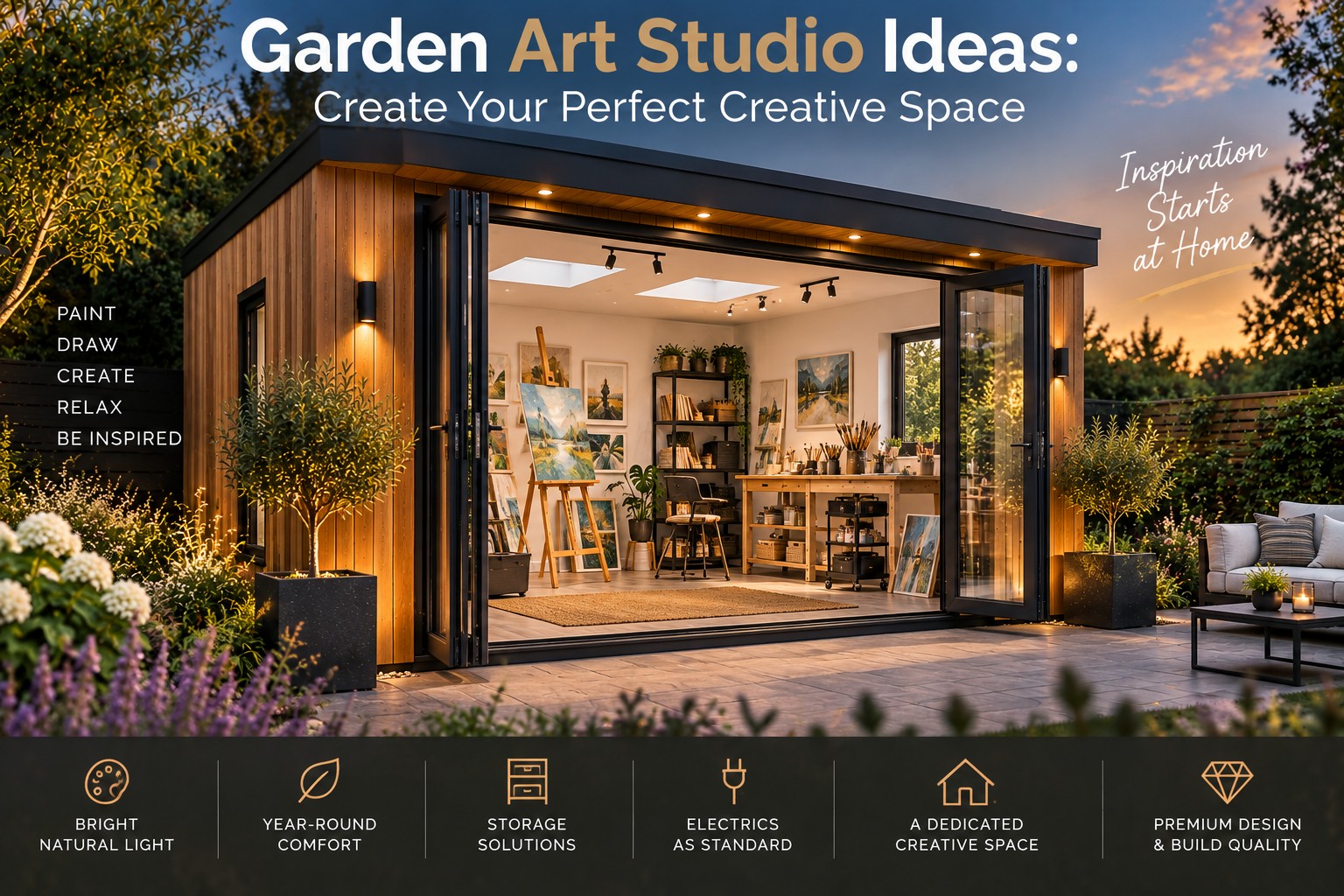
Design a Bright, Inspiring and Comfortable Art Studio for Year-Round Creativity
Imagine having a dedicated art studio just a few steps from your back door. Somewhere you can leave your paints, brushes, canvases and creative projects exactly where you want them, without having to clear everything away at the end of the day.
A garden art studio can transform the way you work, create and enjoy your artistic interests.
Whether you're a professional artist, enthusiastic amateur painter, illustrator, sculptor or simply someone who enjoys creative hobbies, having a dedicated space can make an enormous difference.
Instead of working at the dining-room table, sharing a spare bedroom or trying to find space in a garage, a purpose-built garden studio provides somewhere designed around your creativity.
And with a fully insulated garden room, your studio doesn't have to be limited to the warmer months.
At Oeco Garden Rooms, our fully insulated garden buildings can provide an excellent foundation for creating a comfortable art studio, with substantial construction, double-glazed doors and windows, finished flooring and an electrical package included.
The important thing is to design your studio around the type of artwork you create.
Natural daylight, artificial lighting, ventilation, heating, storage, work surfaces and floor space all influence how successfully the finished room functions.
Here are our favourite garden art studio ideas and the most important considerations when planning your own creative retreat.
Why Create a Garden Art Studio?
One of the biggest challenges for artists working from home is finding somewhere dedicated to their creative activities.
Art materials take up space.
Paintings need somewhere to dry.
Canvases need storage.
Easels, drawing boards and workbenches aren't always easy to accommodate in an ordinary living room.
A garden art studio solves many of these problems by providing a dedicated space away from the main house.
Your equipment can remain organised and ready to use.
Works in progress can be left undisturbed.
And perhaps most importantly, the room becomes somewhere you associate specifically with creativity.
For many artists, having a separate studio also creates a useful distinction between everyday household activities and focused creative work.
A Dedicated Space for Creativity
A home art studio should be more than somewhere to store paints and brushes.
It should be an environment where you feel comfortable spending time.
The layout, lighting, furniture and surrounding views can all contribute to the atmosphere.
Some artists prefer a minimalist studio with white walls, uncluttered surfaces and plenty of daylight.
Others enjoy a more traditional creative environment filled with paintings, books, sketches, materials and inspiring objects.
The advantage of having your own garden studio is that you can design it entirely around your preferences.
You don't need to accommodate a guest bed, television or dining table unless you actually want them.
The entire room can be dedicated to your creative interests.
What Size Garden Art Studio Do You Need?
The ideal size depends on the type of art you produce.
Someone who enjoys watercolour painting may only require a desk, easel, storage cabinet and comfortable chair.
An artist working on large canvases will need considerably more floor space.
Sculptors, ceramic artists and mixed-media creators may require larger workbenches, specialist equipment and additional storage.
Before choosing your garden room dimensions, make a list of everything you intend to use.
Consider:
-
Easels and drawing boards
-
Painting tables
-
Workbenches
-
Storage cabinets
-
Canvas racks
-
Shelving
-
Seating
-
Computers and printers
-
Drying areas
-
Display space
Remember to allow enough room to move around your work.
An easel may occupy relatively little floor space, but an artist needs room to step backwards and view a painting from a distance.
That working space can be just as important as the equipment itself.
Small Garden Art Studio Ideas
You don't necessarily need a large garden room to create an excellent art studio.
A compact building can work particularly well for drawing, illustration, watercolours, crafts and smaller creative projects.
The secret is efficient organisation.
Wall-mounted shelving can provide storage without occupying valuable floor space.
Narrow cabinets can hold paints, brushes and drawing materials.
A folding or compact workbench can provide a practical working surface.
Vertical storage can be particularly useful for canvases and drawing boards.
Rather than filling the room with furniture, concentrate on the equipment you actually use.
A smaller studio that is thoughtfully organised can be far more enjoyable than a larger space filled with unnecessary possessions.
Larger Garden Art Studios
A larger garden room offers additional flexibility.
You might create separate areas for painting, drawing, preparation and storage.
For example, one end of the room could contain an easel positioned near a window.
The opposite end might feature a substantial workbench for preparing canvases or working on mixed-media projects.
Shelving and cabinets can occupy one wall, while another remains available for displaying finished artwork.
A larger studio may also provide enough space for two people to work simultaneously.
This can be particularly useful for couples who share creative interests or artists who occasionally collaborate with others.
Natural Daylight: One of the Most Important Features
Good natural daylight is often one of the biggest priorities when designing an art studio.
Daylight helps illuminate work surfaces and allows artists to appreciate colour, tone and detail.
Large glazed doors and windows can make a garden studio feel bright, spacious and connected to the surrounding landscape.
However, the quantity of daylight isn't the only consideration.
Its direction and consistency also matter.
Strong direct sunlight can create glare, shadows and changes in colour appearance throughout the day.
For some artistic activities, softer and more consistent natural light may be preferable.
This is why the position and orientation of your garden art studio should be considered before installation.
North-Facing Light for Artists
North-facing daylight has traditionally been popular in artists' studios because it can provide relatively consistent, indirect illumination.
In the UK, north-facing windows generally receive less direct sunlight than south-facing glazing.
This can help reduce harsh shadows and strong variations in light.
However, a north-facing studio isn't automatically the best solution for everyone.
The surrounding buildings, trees, garden layout and intended use all matter.
An artist who wants bright sunshine and views into the garden may prefer a different orientation.
The important thing is to understand how daylight will enter the room and how that affects your work.
Garden Art Studio Windows
Window positioning can influence the entire studio layout.
A large glazed elevation can provide beautiful garden views and abundant natural light.
Additional windows can illuminate areas further inside the room.
Opening windows also provide useful ventilation.
At Oeco, our garden rooms feature double-glazed anthracite PVCu doors and windows, providing a contemporary appearance alongside the benefits of secure glazing.
When planning your studio, think about where your easel or workbench will be positioned relative to the windows.
You want plenty of usable daylight without constantly working in your own shadow.
Artificial Lighting for an Art Studio
Natural daylight is valuable, but it isn't always available.
During winter, daylight hours are limited.
Many artists also enjoy working during the evening.
That makes artificial lighting particularly important.
A well-designed garden art studio should combine general illumination with suitable task lighting.
Ceiling lights can provide overall brightness.
Adjustable desk lamps or dedicated work lights can illuminate specific areas.
For colour-sensitive work, consider lighting with appropriate colour-rendering performance and colour temperature.
The aim is to create an environment where colours can be judged consistently and details remain clearly visible.
Choosing the Right Colour Temperature
Colour temperature describes whether a light appears warm, neutral or cool.
It is measured in Kelvin.
Warm lighting can create an attractive relaxing atmosphere, but it may not always be ideal when accurately judging paint colours.
Neutral or daylight-style lighting may be more appropriate for certain artistic activities.
The best solution depends on your medium and working preferences.
Some artists use different lighting arrangements for creating artwork and relaxing in the studio.
This is another advantage of layered lighting.
You can have bright, practical illumination when working and softer lighting when reviewing artwork or simply enjoying the space.
White Walls or Natural Timber Interiors?
Interior wall colour can have a significant influence on an art studio.
White or neutral walls reflect light and create a bright, clean environment.
They also provide a relatively neutral backdrop against which artwork can be viewed.
This is why many professional galleries and contemporary studios favour pale interiors.
Natural timber finishes create a warmer atmosphere but can introduce additional colour into the room.
If accurate colour judgement is important, a neutral interior may be preferable.
At Oeco, the internal wall specification can provide a practical foundation for creating the studio interior you want, with appropriate finishes considered as part of the overall design.
A white plastered finish, carefully chosen flooring and simple furnishings can create an attractive contemporary studio.
The Best Flooring for a Garden Art Studio
Art studios need practical flooring.
Paint spills, dropped materials, moving furniture and regular cleaning all place demands on the floor surface.
The best choice depends on the type of artwork being produced.
For drawing, illustration and general painting, durable laminate flooring may provide a practical solution.
Protective mats can be used beneath easels and workbenches where paint spills are likely.
For particularly messy activities, additional surface protection may be worthwhile.
At Oeco, our garden rooms include heavy-duty laminate flooring, providing a finished internal surface.
Whatever flooring you choose, think about cleaning and durability as well as appearance.
A beautiful floor isn't particularly useful if you're constantly worried about damaging it.
Insulation for Year-Round Creativity
A garden art studio should ideally be somewhere you can enjoy throughout the year.
That makes insulation extremely important.
A lightweight uninsulated building can become uncomfortable during winter and experience substantial temperature fluctuations.
A properly insulated garden room provides a much more controlled internal environment.
At Oeco, our garden rooms feature fully insulated walls, roof and floor, helping create a comfortable space for regular year-round use when suitable heating and ventilation are provided.
This is particularly valuable if you spend several hours working on a painting or creative project.
You want to concentrate on your artwork rather than constantly thinking about how cold the room feels.
Heating Your Garden Art Studio
Even a fully insulated garden room may require heating during colder weather.
The ideal temperature depends on personal comfort and the materials you use.
Some paints, adhesives and other art materials have specific storage and application temperature requirements.
A reasonably stable internal environment may therefore be beneficial for certain creative activities.
However, heating equipment should be selected and positioned safely.
Avoid placing heaters too close to paper, canvases, fabrics, solvents or other combustible materials.
Always follow the manufacturer's guidance for both heating equipment and art materials.
Ventilation in a Garden Art Studio
Ventilation is especially important because different art activities can introduce dust, moisture, fumes or airborne particles.
Watercolour painting and pencil drawing have very different ventilation requirements from activities involving solvent-based paints, spray products or certain adhesives.
Opening windows may provide suitable general ventilation for low-risk activities.
However, specialist processes can require dedicated extraction or other controls.
A standard garden room should not automatically be assumed suitable for spraying paints, working with hazardous solvents or operating equipment that produces harmful airborne contaminants.
If your creative work involves these materials, seek appropriate professional advice and design the ventilation system around the actual activity.
Good ventilation is about both comfort and managing the substances generated by your work.
Storage for Art Materials
One of the greatest benefits of a dedicated art studio is the opportunity to organise your materials properly.
Paints, brushes, pencils, sketchbooks, paper, canvases and tools can quickly accumulate.
Without suitable storage, even a large studio can become cluttered.
Consider a combination of drawers, shelving, cabinets and vertical racks.
Frequently used materials should remain easy to reach.
Larger canvases may benefit from dedicated upright storage.
Delicate artwork may need protection from dust, direct sunlight and accidental damage.
Good organisation doesn't have to mean a perfectly tidy studio.
It simply means you know where everything is and have enough space to work comfortably.
Workbenches and Easels
Your main working area should be designed around the type of art you produce.
Painters may prefer a traditional standing easel.
Illustrators may work at a drawing desk.
Craft artists may require a large flat workbench.
Sculptors may need particularly robust working surfaces.
Before ordering your garden room, consider the size and position of these items.
Make sure there is sufficient circulation space and that doors, windows and electrical sockets remain accessible.
For heavier equipment, discuss structural and floor-loading requirements during the design stage.
Electrical Sockets for an Art Studio
Modern art studios often require more electrical equipment than people initially expect.
You may use a computer, printer, tablet, task lighting, photographic equipment, chargers or specialist creative tools.
At Oeco, our standard garden-room electrical package includes four double sockets, a consumer unit, LED lighting, a light switch and concealed internal wiring, with appropriate electrical certification.
If your studio requires additional sockets or specialist electrical equipment, discuss these requirements before installation.
Planning electrical positions around the intended furniture layout can avoid trailing extension leads across the floor.
Wi-Fi and Digital Art
Not every artist works exclusively with traditional materials.
Digital illustration, graphic design, photography and mixed-media work increasingly rely on computers and internet connectivity.
A garden art studio can accommodate both traditional and digital creativity.
You might have an easel at one end of the room and a computer workstation at the other.
Reliable Wi-Fi can be useful for researching ideas, communicating with clients, uploading artwork and managing an online shop.
If the proposed studio is a long distance from the house, consider how internet connectivity will be provided before installation.
Garden Art Studio Privacy
Privacy can make a significant difference to how comfortable you feel working.
Large glazed doors provide excellent daylight but can also make the interior visible from neighbouring properties.
The position and orientation of the garden room should therefore be considered carefully.
Blinds can provide privacy when required.
Natural screening using hedges, ornamental grasses, trees and planters can also help.
The objective is to create a private creative environment without sacrificing the natural light that makes a garden studio so attractive.
Creating an Inspiring Studio Interior
A garden art studio should reflect your personality.
You might prefer white walls, oak-effect flooring and minimalist furniture.
Alternatively, you may want colourful artwork, shelves filled with books, natural timber features and comfortable seating.
Plants can help connect the interior with the surrounding garden.
A small sofa or armchair can provide somewhere to sit and review your work.
Wall-mounted artwork can create inspiration without occupying floor space.
The most successful studios combine practical working areas with an atmosphere that makes you want to spend time there.
A Garden Art Studio That Grows With You
Your artistic interests may change over time.
You might begin with watercolour painting and later move into acrylics, illustration or other creative activities.
A well-designed garden room can adapt.
Furniture can be rearranged.
Storage can be added.
Different work surfaces can be introduced.
The important thing is to create a flexible building rather than one so specialised that it becomes difficult to use for anything else.
A fully insulated garden room also retains the potential to become a home office, hobby room or relaxation space in the future.
Create Your Perfect Garden Art Studio
The best garden art studio isn't necessarily the biggest or most expensive.
It is the one designed around how you create.
Start by thinking about your preferred artistic activities.
Then consider the equipment, lighting, storage, ventilation, heating and working space those activities require.
Choose a garden room that can accommodate those needs comfortably.
At Oeco Garden Rooms, our fully insulated buildings combine substantial timber construction, secure double glazing, durable flooring, an electrical package, foundations, delivery and professional installation.
With thoughtful interior planning, they can provide the foundation for a bright, practical and inspiring creative environment.
Whether you're a professional artist or simply enjoy painting during your spare time, having your own dedicated garden studio can make creativity a much more accessible part of everyday life.
Because sometimes the most inspiring place to create is right outside your back door.
10 Benefits of Having a Garden Art Studio
1. A Dedicated Space for Creativity
Having your own garden art studio provides somewhere specifically designed for painting, drawing, crafts and other creative activities.
Instead of sharing the dining-room table or spare bedroom, you can create a workspace that reflects your artistic interests.
Your easels, paints, canvases and equipment can remain set up and ready to use, allowing you to concentrate on creating rather than preparing and clearing away.
2. Enjoy Natural Daylight
Natural daylight is one of the most valuable features of a well-designed art studio.
Large glazed doors and windows can provide excellent illumination while connecting your workspace with the surrounding garden.
Carefully considered window positioning can help reduce unwanted shadows and glare, making the studio more comfortable for painting, drawing and other detailed creative work.
3. Comfortable Year-Round Use
A fully insulated garden art studio can provide a comfortable creative environment throughout the seasons.
With insulation within the walls, roof and floor, together with suitable heating and ventilation, you can continue enjoying your artistic activities during cold winter mornings, wet autumn afternoons and warmer summer days.
Your creativity doesn't need to depend on the weather.
4. More Space Inside Your Home
Art supplies can quickly take over spare bedrooms, dining rooms and other living areas.
A dedicated garden studio provides somewhere to organise materials, equipment and unfinished projects without cluttering your home.
This is particularly useful for artists working with large canvases, multiple easels, storage cabinets or substantial workbenches.
5. Fewer Everyday Distractions
Working in a separate garden studio can create a useful distinction between household activities and creative work.
Instead of being surrounded by televisions, domestic chores and everyday interruptions, you have somewhere specifically associated with your art.
For many people, that separation makes it easier to concentrate on creative projects.
6. Organised Storage for Art Materials
A garden art studio can be designed with dedicated shelving, drawers, cabinets and racks for your materials.
Paints, brushes, pencils, paper, sketchbooks and canvases can all have their own storage areas.
This makes equipment easier to find, helps protect delicate materials and keeps valuable working surfaces clear.
7. A Studio Designed Around Your Art
Different artistic activities require different environments.
Painters may prefer easels and excellent natural daylight.
Illustrators may need drawing desks and adjustable task lighting.
Craft artists may require large workbenches and extensive storage.
Having your own studio means you can design the layout around the type of artwork you actually create.
8. An Inspiring Garden Environment
A garden art studio provides a connection with nature that can be difficult to achieve in an ordinary spare bedroom.
Views of trees, planting, flowers and changing seasons can create an attractive backdrop for creative work.
You can also personalise the interior with artwork, plants, comfortable seating and decorative features that make the studio somewhere you enjoy spending time.
9. Suitable for Professional and Hobby Artists
A dedicated garden studio can work equally well for enthusiastic amateur artists and people who create artwork professionally.
It can provide space for developing projects, preparing commissions, photographing finished work, organising materials and carrying out suitable creative activities.
For artists working from home, it can also provide a more professional environment separate from the main house.
10. A Versatile Long-Term Investment
A high-quality insulated garden room isn't limited to one purpose.
Although initially designed as an art studio, the building can potentially be adapted into a home office, hobby room, craft studio or relaxation space if your requirements change.
This flexibility makes a garden art studio a practical way to create additional usable space while enjoying the immediate benefits of having somewhere dedicated to creativity.
10 Frequently Asked Questions About Garden Art Studios
1. Can you use a garden room as an art studio?
Yes. A properly designed and fully insulated garden room can make an excellent art studio.
Large glazed doors and windows provide natural daylight, while insulation, heating and suitable ventilation help create a comfortable environment throughout the year.
The interior can be arranged around easels, drawing desks, workbenches, storage cabinets and other creative equipment.
The important thing is to plan the building around the type of artwork you intend to produce.
2. What size garden room do I need for an art studio?
The ideal size depends on your artistic activities and the equipment you use.
A compact garden room may be perfectly suitable for watercolour painting, drawing, illustration or smaller craft projects.
Artists working on large canvases, sculptures or multiple projects may benefit from a larger studio with additional floor space.
Before choosing the building dimensions, consider your easel, workbench, storage requirements and the space needed to move comfortably around your work.
3. What is the best natural lighting for a garden art studio?
Natural daylight is highly desirable in an art studio, particularly for painting and drawing.
North-facing daylight has traditionally been popular with artists because it can provide relatively consistent, indirect illumination with less direct sunlight.
However, the best orientation depends on your garden, surrounding buildings, trees and artistic requirements.
Large windows and glazed doors can provide excellent daylight, while blinds or other suitable shading can help control glare and strong sunlight.
4. Do garden art studios need heating?
If you intend to use your art studio throughout winter, some form of suitable heating will normally be desirable.
A fully insulated garden room helps slow heat loss and makes the internal environment easier to control.
Heating requirements depend on the room's size, glazing, insulation and how frequently it is occupied.
Some art materials also have specific temperature requirements for storage and use, so it is worth considering these when planning your studio.
5. What flooring is best for a garden art studio?
The best flooring depends on the type of creative work you undertake.
Durable laminate flooring can be a practical option for general painting, drawing and craft activities.
Protective mats can be positioned beneath easels, workbenches and areas where paint spills are likely.
For particularly messy or specialist activities, additional floor protection may be appropriate.
At Oeco, our garden rooms include heavy-duty laminate flooring, providing a finished surface that can be complemented with suitable protective coverings.
6. Does a garden art studio need ventilation?
Yes. Ventilation is important for comfort and indoor air quality, but the requirements depend on the activities carried out.
For drawing, watercolour painting and other relatively low-risk activities, suitable general ventilation may be adequate.
However, solvent-based paints, spray products, adhesives, ceramics and other specialist processes can introduce additional hazards.
These activities may require dedicated extraction, specialist equipment or other controls.
A standard garden room should not automatically be assumed suitable for every artistic process without considering its ventilation and safety requirements.
7. Can I have electricity in my garden art studio?
Yes. A professionally installed electrical supply can make a garden art studio much more practical.
Electrical sockets can power computers, printers, task lighting, chargers and other suitable equipment.
At Oeco, our standard garden-room electrical package includes four double sockets, an LED light panel, a consumer unit, light switch and concealed internal wiring, with appropriate electrical certification.
If your studio requires additional sockets or specialist equipment, discuss these requirements before installation.
8. Can a garden art studio be used professionally?
Yes, a garden room can potentially provide an excellent workspace for a professional artist.
It can be used for painting, drawing, illustration, preparing commissions, organising materials and other suitable creative activities.
However, professional use can introduce additional considerations.
If you intend to receive customers, employ staff, operate specialist equipment or carry out activities that affect neighbouring properties, you may need to consider planning, insurance, safety and other relevant requirements.
These should be checked according to the intended business use.
9. How can I organise a small garden art studio?
Good storage is particularly important in a compact studio.
Wall-mounted shelves, drawers, vertical canvas racks and narrow cabinets can help keep materials organised without occupying too much floor space.
Choose furniture based on the type of art you produce.
A compact drawing desk or easel may be more practical than an unnecessarily large workbench.
Keeping the central floor area clear can also make the room feel considerably more spacious.
The objective is to create an efficient workspace rather than trying to accommodate every possible piece of equipment.
10. Is a garden art studio worth the investment?
For someone who regularly enjoys painting, drawing or other creative activities, a dedicated garden art studio can be a valuable addition to the home.
It provides somewhere to work without taking over existing living space, allows materials and unfinished projects to remain organised and creates a more focused environment for creativity.
A fully insulated garden room also offers the benefit of year-round use when suitable heating and ventilation are provided.
Unlike a highly specialised structure, a quality garden room can potentially be adapted for other purposes if your requirements change.
The biggest benefit, however, may simply be having a dedicated creative space that makes it easier to spend more time doing something you enjoy.
SEO Details
Recommended Page Title / H1:
Garden Art Studio Ideas: Create Your Perfect Creative Space
Recommended Second Heading / H2:
Design a Bright, Inspiring and Comfortable Art Studio for Year-Round Creativity
SEO Title Tag:
Garden Art Studio Ideas: Create Your Perfect Studio | Oeco
Meta Description:
Discover garden art studio ideas for painting, drawing and crafts. Explore lighting, insulation, ventilation, storage and year-round creative spaces.
Recommended URL:/garden-art-studio-ideas
Recommended Image Filename:garden-art-studio-ideas-creative-space.webp
Image Title:
Garden Art Studio Ideas – Create Your Perfect Creative Space
Image Alt Text:
Modern insulated garden art studio with large glazed doors, painting easel, artwork, workbench and creative storage
Primary SEO Topic
Garden art studio ideas
The article also naturally targets closely related searches including:
-
Garden art studio
-
Art studio
-
Home art studio
-
Garden art room
-
Garden studio for artists
-
Art studio garden room
-
Garden painting studio
-
Garden art studio design
-
Small garden art studio ideas
-
Art studio lighting
-
Art studio insulation
-
Garden craft studio
-
Garden artist studio
-
Art studio in the garden
-
Year-round garden art studio
These phrases should be used naturally rather than repeatedly inserted purely for SEO. The article already covers the subjects in sufficient depth to help search engines and AI search systems understand its relevance to garden art studios.