
Garden Room Costs vs Conservatory: Which Offers More Value?
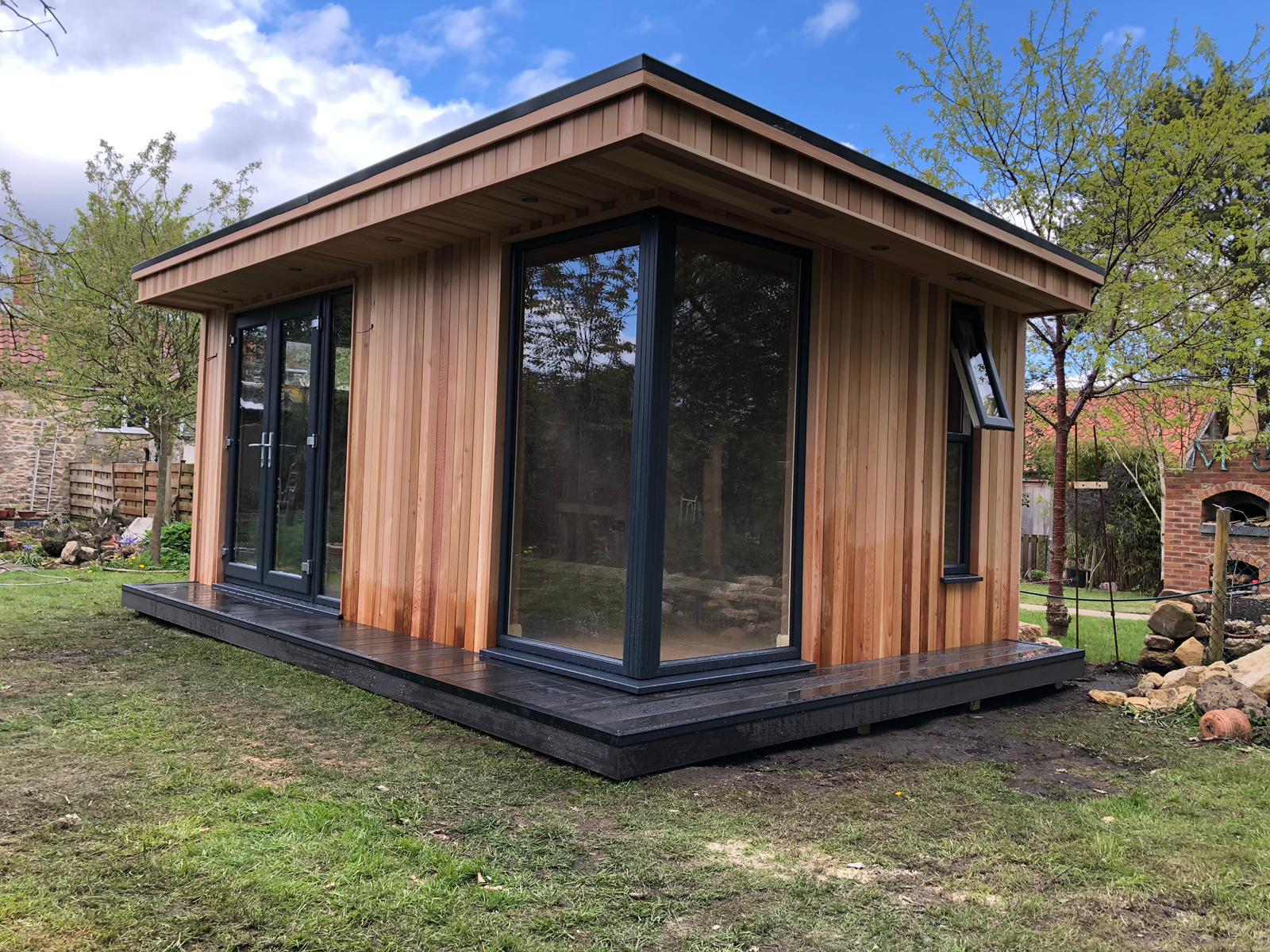
When it comes to adding extra space to your home, two options often come to mind: a garden room or a conservatory. Both provide additional living areas and can enhance your property’s functionality, but they differ significantly in terms of cost, usability, aesthetics, and long-term value. While conservatories have been a popular choice for decades, modern garden rooms have rapidly overtaken them as the smarter investment for homeowners seeking versatile, stylish, and energy-efficient spaces. In this comprehensive guide, we’ll explore how garden rooms compare to conservatories and explain why, in most cases, garden rooms offer far more value for your money.
Understanding the Basics: Garden Rooms vs Conservatories
A garden room is a fully insulated, purpose-built structure typically located within your garden but detached from your main home. Designed for year-round use, it feels more like an extension of your house rather than a temporary or seasonal structure. Garden rooms are highly versatile—they can serve as home offices, gyms, studios, guest suites, entertainment spaces, or even annexes.
A conservatory, on the other hand, is a glazed extension attached to your home, traditionally featuring large glass walls and sometimes a glass roof. While conservatories let in plenty of natural light, they’re notorious for being too hot in summer, too cold in winter, and generally unsuitable for consistent year-round use without significant additional investment in heating, cooling, and blinds.
Comparing Costs: The Real Investment
Initial costs for conservatories can range from £10,000 to £30,000 depending on size and materials, while garden rooms typically start at around £15,000 and can go upwards based on specification and finishes. At first glance, conservatories might seem like the cheaper option, but this is misleading when you factor in long-term running costs and usability.
Because garden rooms are built with high-quality insulation, double glazing, and weather-resistant materials, they’re energy-efficient by design. You won’t need to spend hundreds on portable heaters or cooling systems just to make the space usable. Conservatories, especially older styles with polycarbonate roofs, are often expensive to heat in winter and require constant maintenance to prevent leaks or condensation. Over time, a garden room almost always proves the more cost-effective solution.
Year-Round Usability
One of the biggest drawbacks of conservatories is temperature control. The high percentage of glazing means they tend to overheat in summer and lose warmth rapidly in winter, making them uncomfortable during extreme weather. While you can invest in blinds, underfloor heating, and specialist glass, these upgrades significantly increase costs and energy consumption.
Garden rooms, by contrast, are designed with year-round comfort in mind. Premium insulation, breathable wall systems, and composite cladding ensure that temperatures remain stable throughout the seasons. Add efficient heating and optional climate control, and you have a space that performs as well in January as it does in July—without excessive energy bills.
Versatility and Functionality
While conservatories are often marketed as multipurpose spaces, in reality, their usage is typically limited to dining or occasional relaxation. Because they’re prone to condensation and temperature extremes, using them as home offices, gyms, or studios can be impractical.
Garden rooms excel in flexibility. Whether you need a quiet office, a home gym, an art studio, a games room, or a guest bedroom, they can be tailored precisely to your needs. They can even accommodate plumbing, kitchens, or en-suite bathrooms if required, making them suitable for annexes or Airbnb rentals. The fact that garden rooms are detached also adds to their appeal—they create true separation between home and work, family and personal time.
Aesthetic Appeal and Integration
Conservatories often have a dated look, especially those built with white UPVC frames and simple polycarbonate roofs. While modern designs have improved, they still tend to lack the contemporary, stylish feel that many homeowners now seek.
Garden rooms, however, can be designed to perfectly complement your home and landscape. With options for composite cladding, aluminium trims, integrated decking, and full-length glazing, they achieve a sleek, high-end aesthetic that enhances the look of your entire property. Instead of standing out awkwardly, a well-designed garden room blends beautifully into its surroundings while adding architectural interest.
Planning Permission and Building Regulations
Many homeowners assume that conservatories are easier to build in terms of planning, but that’s not always the case. If a conservatory exceeds certain size limits or impacts your neighbours, you may still need planning permission, especially in conservation areas.
Most garden rooms, on the other hand, are designed to comply with UK permitted development rights, meaning they can often be installed without the need for planning permission. However, they are generally built to much higher standards than conservatories, adhering closely to building regulations where necessary—particularly if you want plumbing or year-round habitation. This gives you greater peace of mind in terms of safety, comfort, and long-term durability.
Maintenance and Durability
Conservatories can require significant upkeep. Glass roofs need frequent cleaning to stay clear, seals can degrade over time, and wooden or UPVC frames are prone to weathering. Older conservatories often suffer from leaks, condensation, and structural issues after 10–15 years, leading to expensive repairs or even full replacements.
Garden rooms are built with longevity in mind. Using composite materials, pressure-treated timbers, and advanced roofing systems, they are designed to withstand the UK’s unpredictable weather for decades. With minimal maintenance—an occasional clean of cladding or gutters—you can expect your garden room to stay in peak condition for years without costly upkeep.
Energy Efficiency and Sustainability
Energy performance is another area where garden rooms shine. Premium insulation, thermally efficient glazing, and airtight construction mean your heating and cooling needs are minimal. This isn’t just good for your wallet—it’s better for the environment, too.
Conservatories, with their high glass ratios, are inherently less energy-efficient. Keeping them comfortable often means running heaters in winter and fans or air conditioning in summer, resulting in higher bills and greater environmental impact. For eco-conscious homeowners, garden rooms are the clear winner.
Privacy and Noise Control
Because conservatories are typically attached to the home and feature lots of glazing, privacy can be an issue, especially in overlooked gardens. Sound insulation is also poor, making them unsuitable for private calls, focused work, or activities like music practice.
Garden rooms offer a distinct advantage here. Detached from the main property, they create a true sense of separation. Acoustic insulation can be built into the walls for soundproofing, and strategic positioning within the garden ensures maximum privacy. For remote workers, podcasters, therapists, or anyone needing a quiet environment, a garden room is hard to beat.
Adding Value to Your Property
Both conservatories and garden rooms can increase your home’s resale value, but garden rooms tend to deliver a higher return on investment. Their stylish design, all-season usability, and versatility appeal strongly to buyers, especially those now working remotely or running businesses from home.
A conservatory, while still desirable to some, is increasingly viewed as dated by today’s standards. In fact, some buyers see them as an expense due to the need for refurbishment or replacement. A well-built garden room, on the other hand, is a premium feature that instantly adds desirability and sets your property apart.
Lifestyle Benefits
The rise of flexible working, home gyms, and personal wellness spaces has transformed how we use our homes. While conservatories once provided a simple way to connect indoor and outdoor living, they struggle to meet modern lifestyle demands.
Garden rooms offer a future-proof solution. Want a quiet home office, a fitness studio, or a luxury retreat? A garden room accommodates these seamlessly, and its purpose can evolve as your needs change. Today’s office could become tomorrow’s cinema room or guest suite, giving you unmatched flexibility and long-term value.
The Bottom Line: Garden Rooms Offer More
When comparing costs, comfort, aesthetics, and functionality, garden rooms consistently outperform conservatories. While conservatories may appear cheaper upfront, their limited usability, high running costs, and maintenance needs make them less cost-effective in the long term. A garden room is an investment in your lifestyle, property value, and future flexibility—a space designed not just to add square footage, but to genuinely enhance how you live and work.
If you’re weighing up whether to invest in a garden room or conservatory, consider your priorities: year-round usability, energy efficiency, design flexibility, and overall return on investment. For most homeowners, the garden room is the clear winner.