
Garden Room Price Myths Debunked
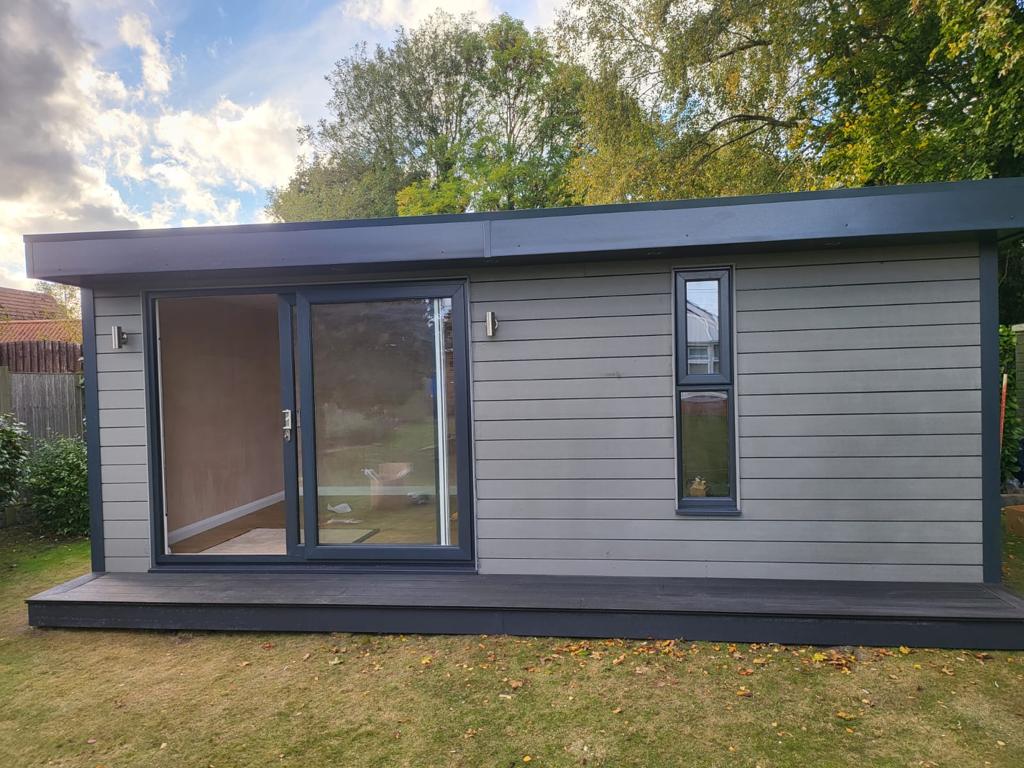
As garden rooms rise in popularity across the UK, so too do the myths and misconceptions surrounding their cost. While these versatile structures offer tremendous value and functionality—serving as home offices, gyms, studios, guest rooms, and more—many people hesitate due to misinformation about pricing. Whether it’s the idea that garden rooms are always expensive, or that budget models offer the same performance as high-end ones, these myths can cloud your decision-making. In this comprehensive guide, we’ll debunk the most common garden room price myths and explain what really determines the cost of a garden room. Understanding the true value behind the price tag will help you make an informed and confident investment.
Myth 1: All Garden Rooms Are Expensive
One of the most widespread myths is that garden rooms are a luxury only the wealthy can afford. While it’s true that premium, bespoke models with high-end finishes can cost £30,000 or more, there are high-quality garden rooms available at a variety of price points. The market has evolved significantly over the past decade, with options now starting from as little as £10,000–£12,000 for well-insulated, durable, professionally built garden rooms.
Key factors that influence price:
-
Size: Larger buildings require more materials and labour.
-
Materials: Timber, composite cladding, aluminium doors, insulation, and roofing materials all vary in quality and cost.
-
Usage: A fully kitted-out home office with electrics, heating, and custom features will naturally cost more than a simple shell.
-
Installation and groundwork: Access to the site, foundation requirements, and distance can affect the total.
Ultimately, garden rooms are available for a wide range of budgets. Like any major home improvement, you can tailor the specification to match what you’re willing to spend.
Myth 2: A Cheap Garden Room Offers the Same Performance
This is one of the most dangerous myths. Budget garden rooms might look similar on the surface, but what’s underneath really matters. Many cheaper garden buildings use substandard materials, lack proper insulation, and are not designed for year-round use. Over time, these structures can become cold, damp, and costly to maintain—or may even need replacing far sooner than a higher-quality alternative.
Common shortcomings in budget garden rooms:
-
Poor or no insulation: Resulting in higher heating costs and seasonal usability only.
-
Inferior cladding: Softwood or untreated timber can rot, warp, or fade quickly.
-
Basic roofing: Cheap felt roofs may leak or degrade in UV light.
-
Minimal electrics: Fewer sockets, weaker lighting, or exposed cabling.
-
No guarantees: Lack of long-term protection if issues arise.
When you invest in a premium garden room, you’re not just paying for looks—you’re paying for structural integrity, thermal efficiency, long-term durability, and professional installation.
Myth 3: Garden Rooms Are Priced per Square Metre Like a House
Some assume that garden rooms are priced similarly to house extensions, with a standard “cost per square metre.” While this pricing model is common for brick-and-mortar buildings, it’s not as applicable for garden rooms. The cost of a garden room is often front-loaded due to fixed components like doors, windows, groundwork, electrics, and internal finishes. This means that smaller garden rooms may have a higher cost per square metre than larger ones.
For example:
-
A 3m x 2.5m room might cost £14,000 (£1,867/m²)
-
A 5m x 3m room might cost £20,000 (£1,333/m²)
Why the difference? Because many of the essential features (door installation, lighting, heating, insulation) are included in both. As the size increases, you gain more space for relatively little added cost.
So while size does impact price, it’s not as linear as some believe.
Myth 4: All Installers Offer Like-for-Like Quotes
Not all garden rooms—or installers—are created equal. Comparing quotes based on price alone can be misleading if the specifications are not the same. One quote may include premium features like composite cladding, EPDM roofing, aluminium doors, PIR insulation, and electrical certification, while another may offer lower-cost timber cladding, basic felt roofing, poor insulation, and no electrics at all.
Before comparing prices, ask to see what’s included in the quote:
-
Is the cladding composite or timber?
-
What kind of insulation is used, and in which areas?
-
Are foundations included, and what type are they?
-
What roofing system is used—felt, EPDM, or interlocking panels?
-
Are electrics, lighting, and certification included?
-
Is delivery and installation part of the cost?
Once you compare like-for-like specifications, the differences between providers often become much clearer.
Myth 5: You Can’t Finance a Garden Room
Some believe that garden rooms must be paid for in full upfront, but that’s no longer the case. Many reputable garden room companies now offer finance packages that allow you to spread the cost over time. This opens up the opportunity to invest in a higher-quality space without straining your savings.
Options may include:
-
Interest-free financing for shorter terms
-
Low-interest financing over longer terms (e.g., 5 years)
-
Buy-now-pay-later schemes with flexible payment structures
Additionally, some customers use low-interest personal loans or home improvement loans to fund their garden room. Financing doesn’t just make garden rooms more accessible—it allows you to get the specification you truly want without compromising due to short-term budget limits.
Myth 6: DIY Garden Rooms Are Always Cheaper
It’s tempting to think you’ll save thousands by building your own garden room. While some DIY enthusiasts do take on the challenge successfully, many find that the cost, time, tools, and knowledge required quickly add up.
Challenges with DIY garden rooms:
-
Material sourcing can be more expensive in small quantities.
-
Installation mistakes can lead to leaks, poor insulation, or structural issues.
-
Electrical and plumbing work must be certified and completed by professionals.
-
Building regulations still apply in some cases and must be followed.
-
Warranty voids if components are not installed by certified professionals.
Unless you have a strong background in construction and design, the hidden costs and risks of DIY often outweigh the perceived savings.
Myth 7: Planning Permission Adds Major Costs
Some people avoid garden rooms because they believe planning permission is costly and complicated. The truth is that most garden rooms—especially those under 2.5m high and not used as sleeping accommodation—fall under Permitted Development Rights and do not require planning permission at all.
When permission is needed (for example, in conservation areas or if the garden room is very large), many companies handle the process for you as part of their service. Planning fees are generally modest, and the paperwork is far less daunting than most imagine.
Avoiding a valuable garden room project over planning worries is often unnecessary. A quick consultation with your supplier or local planning authority will clarify your position.
Myth 8: All Garden Rooms Increase Property Value Equally
While it’s true that most high-quality garden rooms will enhance your property’s value, not all will do so equally. A professionally built, insulated, multi-purpose garden room with good design and finishes will almost always appeal to buyers. But a poor-quality, damp-prone, or underused outbuilding may have little or no impact—or could even detract from your home’s appeal.
Factors that influence value uplift:
-
Build quality and materials used
-
Usability throughout all seasons
-
Design and placement within the garden
-
Connection to utilities (e.g., electrics, plumbing, internet)
-
Overall aesthetics and how well it blends with the property
Investing slightly more in a high-specification garden room is more likely to offer better long-term return on investment.
Myth 9: Maintenance Will Be Expensive
A well-built garden room requires very little maintenance, especially if it uses modern, durable materials like composite cladding, aluminium doors, interlocking roofing systems, and EPDM or insulated roof panels. These features are specifically chosen for their longevity, low upkeep, and weather resistance.
Typical minimal maintenance includes:
-
Cleaning windows and doors occasionally
-
Wiping down exterior cladding to prevent algae
-
Basic checks on roofing and gutters
-
Internal cleaning and servicing electrics as needed
Compared to older timber outbuildings or home extensions that require repainting, re-roofing, or costly repairs, garden rooms offer long-term savings on upkeep.
Myth 10: Garden Rooms Are a Temporary Solution
Some believe that garden rooms are a short-term fix—fine for now, but not a lasting solution. This is simply not the case when you invest in a high-quality build. Many premium garden rooms are built to the same (or higher) standards as traditional buildings, with longevity often exceeding 30 years or more.
Features that support long-term durability:
-
Insulated interlocking roof panels with excellent weatherproofing
-
PIR insulation for superior thermal performance
-
Composite cladding with long guarantees and minimal fade
-
Aluminium doors and UPVC windows for strength and efficiency
Far from being temporary, these structures can adapt with your lifestyle over time—starting as an office, later becoming a studio, gym, guest room, or teenage retreat.
Final Thoughts
Understanding the truth behind common garden room price myths empowers you to make informed decisions and avoid costly mistakes. A garden room is an investment—not just in extra space, but in comfort, efficiency, and your property’s long-term value. By looking beyond the headlines and understanding what you’re really paying for, you can choose a garden room that meets your needs, fits your budget, and delivers exceptional performance year after year.
At Oeco Garden Rooms, we pride ourselves on transparency, premium materials, expert craftsmanship, and tailored solutions. We’re here to help you design a space that not only looks stunning but stands the test of time—without any surprises in the price tag.