
Garden Rooms and UK Building Regulations: The Essentials
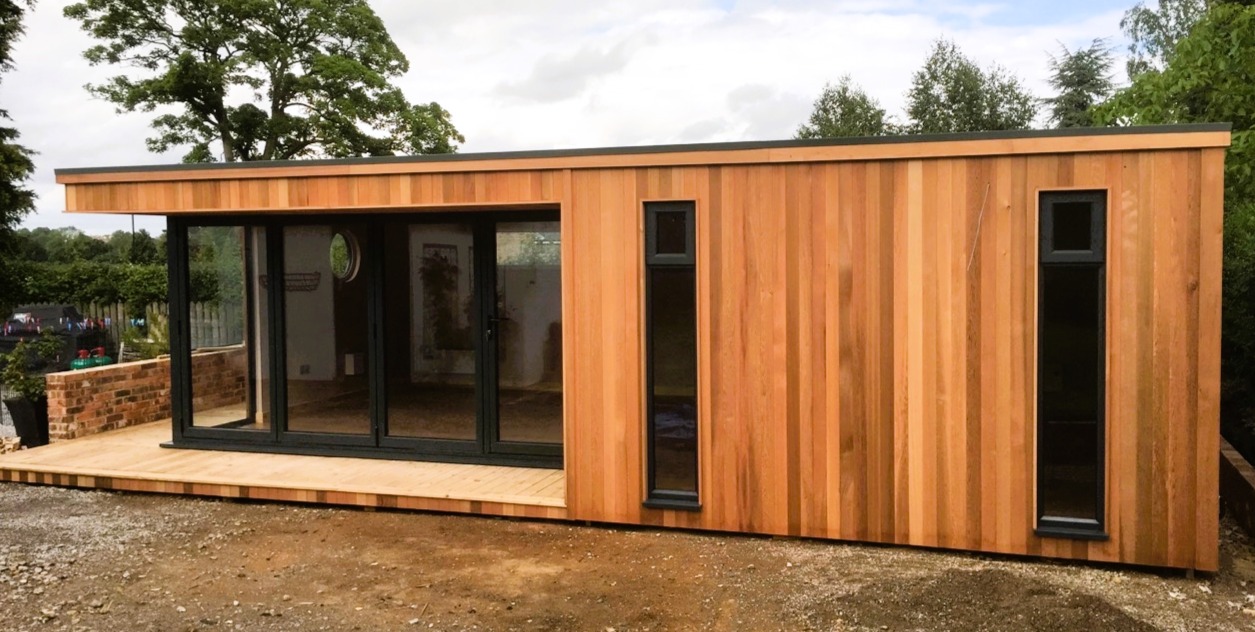
Garden Rooms and UK Building Regulations: The Essentials
Introduction
Garden rooms have become a sought-after addition to homes across the UK, offering versatile spaces for offices, gyms, studios, annexes, or peaceful retreats. Their popularity stems from their design flexibility, aesthetic appeal, and the convenience of creating extra space without extending your main home. But as garden rooms become more sophisticated—featuring plumbing, electrics, and even kitchens and bathrooms—one crucial area can’t be ignored: UK Building Regulations. While planning permission might not always be required, building regulations often are, depending on the design, size, use, and level of integration with your existing property. In this article, we’ll walk you through everything you need to know about how UK Building Regulations apply to garden rooms, when you need approval, what areas are regulated, and how to ensure your project is fully compliant from the ground up.
What Are Building Regulations?
Building regulations are a set of technical standards enforced across England and Wales to ensure buildings are safe, energy-efficient, accessible, and fit for purpose. They differ from planning permission, which is more about aesthetics, location, and community impact. Building regulations focus on the construction itself—covering materials, insulation, fire safety, electrics, plumbing, ventilation, structure, and more. If a building project fails to meet these regulations, local authorities can halt construction, demand changes, or, in extreme cases, require the removal of non-compliant structures.
Do All Garden Rooms Need to Comply with Building Regulations?
Not necessarily. The key lies in how the garden room will be used and how it’s built. In general:
-
If the garden room is a detached, single-storey building used as a home office, studio, or relaxation space and does not include sleeping accommodation, it can be exempt from full building regulations.
-
If the garden room is under 15m² in floor area and is more than 1 metre from any boundary, it is typically exempt.
-
If the room is between 15m² and 30m², it can still be exempt provided it is made of non-combustible materials or placed at least 1 metre from the boundary.
However, if your garden room includes a kitchen, bathroom, bedroom, or permanent utilities, or if it’s intended for regular overnight use, building regulations almost certainly apply.
Key Areas Where Building Regulations Apply to Garden Rooms
Even if the entire structure doesn’t require full building control approval, specific parts of the build may still need to comply with certain regulations. Here’s a breakdown of the most relevant regulations for garden rooms:
1. Structure and Foundations (Part A)
The garden room must be structurally sound and capable of supporting its own weight and any imposed loads.
-
Ground conditions must be suitable.
-
Foundations should be stable and appropriate to the size of the building (e.g., concrete slab, ground screws, or piles).
-
Walls, floors, and roofs must be adequately supported and resistant to wind and moisture.
2. Thermal Efficiency (Part L)
If your garden room is heated, insulated, or intended for regular year-round use, it must meet minimum energy performance standards.
-
Insulated panels (SIPs), double-glazed windows, and insulated doors are typically required.
-
You may need to demonstrate the U-values of the walls, roof, and floor meet the required thresholds.
3. Fire Safety (Part B)
If the building is within 1 metre of a boundary, it must be made of non-combustible materials, such as fire-rated cladding and fire-resistant insulation.
-
Openings (windows and doors) facing boundaries may be restricted.
-
Escape routes must be considered if the room is used for sleeping.
4. Electrical Safety (Part P)
All electrical installations in a garden room must comply with Part P of the building regulations and be carried out by a Part P-registered electrician.
-
A certificate of compliance must be issued and registered with Building Control.
-
The wiring must be correctly rated, protected by RCDs, and safely connected to your home’s main consumer unit.
5. Drainage and Sanitation (Part H & G)
If your garden room includes a WC, shower, or kitchen, the installation must comply with drainage and sanitation regulations.
-
Wastewater must be safely routed to the existing drainage system.
-
You may require a pumped system (macerator) or new underground connections.
6. Ventilation (Part F)
Bathrooms and kitchens require mechanical extraction systems to reduce moisture and improve air quality.
-
Passive ventilation (trickle vents, air bricks) may also be required in living spaces.
7. Accessibility (Part M)
While this is less commonly enforced in small detached buildings, if your garden room is intended for commercial or public use, accessibility standards apply.
-
This could include minimum door widths, ramped access, and step-free thresholds.
8. Combustion Appliances (Part J)
If you’re installing a wood burner or other solid fuel appliance, strict rules on ventilation, flue placement, and clearances must be followed.
When Is Full Building Regulations Approval Required?
Full approval is generally required if:
-
The garden room will be used as self-contained living accommodation (bedroom, annex, Airbnb unit).
-
The floor area is over 30m².
-
It includes permanent kitchen and bathroom facilities.
-
It is built closer than 1 metre to a boundary and constructed of combustible materials.
-
It is connected directly to the main house.
In these cases, you must submit a Building Notice or Full Plans Application to your local authority. Inspections will be carried out at key stages: foundations, insulation, wiring, and final sign-off.
What Happens If You Ignore Building Regulations?
If you proceed without the necessary approvals and your garden room should have been regulated, you risk:
-
Being issued a notice to alter or remove the structure.
-
Having to undertake costly retrospective work to bring the building up to standard.
-
Facing complications when selling your home—non-compliant garden rooms can delay or derail sales.
-
Insurance refusals or invalidation in the event of damage or liability.
-
Health and safety risks to occupants due to poor construction or inadequate services.
It’s always better to seek clarity before you build than to fix problems after they arise.
Permitted Development vs. Building Regulations
A common misconception is that if a garden room doesn’t need planning permission, it also doesn’t need to comply with building regulations. These are two entirely separate systems.
Permitted Development refers to planning laws and governs:
-
Size and height
-
Proximity to boundaries
-
Appearance and impact on neighbours
Building Regulations cover technical standards like: -
Construction quality
-
Safety
-
Energy performance
-
Plumbing and electrics
Even if your garden room is built under permitted development, you may still need to comply with building regulations depending on its use and features.
How to Ensure Compliance
1. Work with a Reputable Builder
Choose a garden room company that understands and adheres to UK Building Regulations. They should:
-
Inform you from the outset if approval is required.
-
Provide drawings and specifications that meet regulations.
-
Handle submissions to local authorities where needed.
-
Work with certified electricians, plumbers, and trades.
-
Provide a completion certificate where applicable.
2. Contact Your Local Building Control Office
If in doubt, speak directly to your local authority’s Building Control team. They can advise whether your proposed structure needs approval and which elements are regulated.
3. Don’t Cut Corners
Even if your project seems minor, don’t be tempted to skip compliance. It can lead to long-term costs, complications, and safety issues.
4. Keep Documentation
Store all approvals, certificates, drawings, and warranties. You’ll need them if you ever sell, remortgage, or insure your property.
Building Regulations in Scotland and Northern Ireland
Regulations in Scotland and Northern Ireland differ slightly from those in England and Wales. In Scotland, most detached buildings over 8m² require building warrant approval, and even small garden rooms must adhere to stricter fire and energy standards. In Northern Ireland, buildings over 15m² or with heating, plumbing, or electrical work often need building control approval. Always consult the relevant local authority for up-to-date requirements in your region.
Costs and Timeframes for Building Regulations Approval
If you require full approval, budget for:
-
Application fees: typically £300–£800 depending on project size.
-
Drawings and calculations: £500–£1,500 for architectural and structural design.
-
Inspection visits: included in your building control fee.
-
Timeframe: 5–8 weeks for Full Plans approval; Building Notice can be faster but carries more risk.
These costs are minimal compared to the value of a compliant, well-constructed, and safe garden building.
Conclusion: Build Smart, Build Safe, Build Compliant
A garden room is more than just a timber structure in your garden—it’s an investment in lifestyle, functionality, and property value. But that investment must be protected by building it to the standards set by UK Building Regulations. Whether your garden room is a peaceful retreat, an art studio, or a full-blown annex, taking the time to understand the legal and structural requirements will save you from future headaches. Compliance doesn’t just make your garden room legal—it makes it safe, efficient, insurable, and market-ready. So before the ground is broken or a frame is raised, make sure your project meets the rules. Because when your garden room stands the test of time, it should also stand up to scrutiny.