
Garden Rooms as Creative Studios: Inspiring Examples
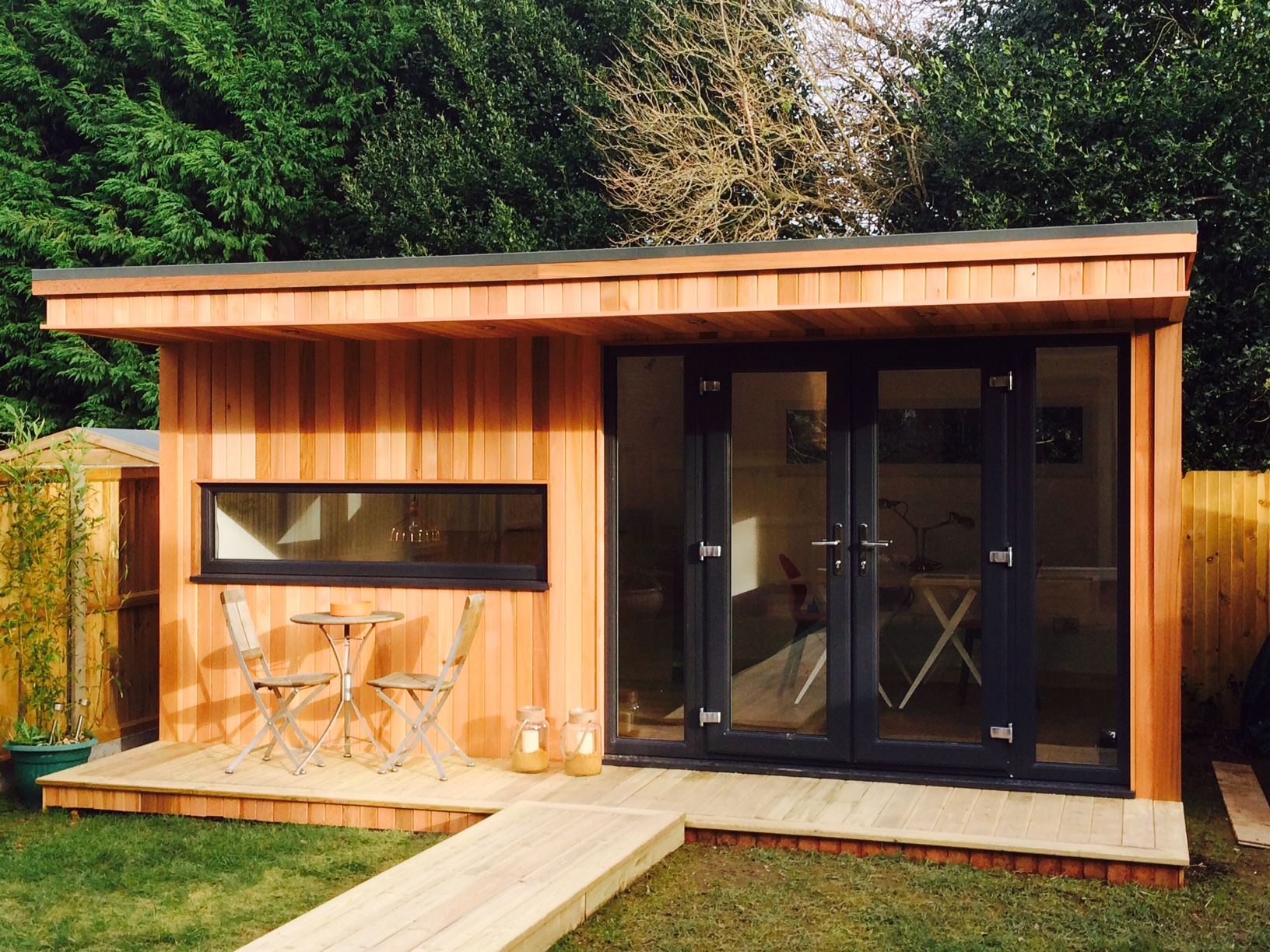
In a world where creativity and productivity often thrive in calm, focused environments, it’s no surprise that more and more artists, writers, designers, and makers are turning to garden rooms as dedicated creative studios. Detached from the distractions of the main house and surrounded by natural beauty, garden studios offer a unique space where inspiration meets functionality. Whether you’re a full-time creative professional or a passionate hobbyist, a purpose-built garden room can transform the way you work. In this article, we’ll explore the benefits of using garden rooms as creative spaces, look at inspiring real-world examples, and offer design tips for building the ideal creative studio in your own garden.
Why Choose a Garden Room as a Creative Studio?
Creativity thrives in environments that feel personal, calm, and energising. The beauty of a garden room is that it’s close to home yet completely separate, giving you both convenience and focus. You don’t have to rent costly studio space or fight for a corner of your house—your garden room becomes your private sanctuary where your creativity is free to flourish.
One of the biggest advantages of a garden studio is the abundance of natural light. Whether you’re painting, sculpting, filming content, or writing a novel, daylight is essential for accuracy, energy, and mood. Large windows, bi-fold doors, and roof lights allow natural light to flood the space, while views of greenery create a peaceful backdrop that reduces stress and boosts concentration.
Garden rooms are also highly customisable. You can design the space around your creative process—whether you need a standing easel, a large desk, lots of storage, or even a soundproofed recording area. Unlike makeshift spaces in your home, a garden studio is purpose-built to support your work, helping you develop a productive daily rhythm.
Common Types of Creative Garden Studios
Art Studios
Painters, illustrators, and sculptors benefit immensely from natural light and open space. A garden room can be equipped with skylights, adjustable lighting, hard-wearing flooring, and ventilation to accommodate everything from oils and watercolours to clay and mixed media. Wall space can be maximised for hanging canvases or inspiration boards, while built-in storage keeps materials organised and accessible.
Writing Rooms
Authors, poets, bloggers, and screenwriters often crave solitude and quiet—two things a garden room delivers in abundance. A well-insulated garden studio eliminates domestic noise and distractions, creating a tranquil environment perfect for long stretches of focused writing. Many writers also find that the physical act of "going to work" in a dedicated space helps separate their creative mindset from everyday life.
Music Studios
With proper sound insulation and acoustic treatment, a garden room can double as a music studio for practicing, recording, or teaching. Whether you're a guitarist, pianist, vocalist, or producer, a detached structure minimises noise disruption to your home and neighbours. Add power outlets, internet connectivity, and climate control, and you've got a fully functioning music environment.
Photography and Videography Studios
Content creators, vloggers, and photographers can turn a garden room into a professional backdrop for shoots and editing. With controlled lighting, seamless backgrounds, and space for tripods, props, and equipment, a garden studio becomes a dedicated production hub. You can also create zones for filming, editing, storage, and brainstorming—all within steps of your back door.
Craft Rooms and Maker Spaces
For hobbyists or professionals working with textiles, leather, jewellery, or other crafts, a garden room provides space to work without sacrificing kitchen counters or dining tables. You can customise your studio with workbenches, drawers, pegboards, and ergonomic seating to suit your specific craft.
Design and Architecture Studios
Architects, graphic designers, and digital artists need a tech-friendly workspace with natural light and visual inspiration. A garden studio designed with built-in desks, digital equipment, and strong internet connectivity allows for high-level digital work while maintaining the relaxed feel of a creative haven.
Real-World Examples of Garden Studios in Action
1. The Artist’s Retreat
A London-based painter commissioned a 5m x 4m cedar-clad garden room with north-facing skylights to ensure consistent, indirect light throughout the day. Inside, white walls reflect light evenly, and a built-in sink allows for easy brush cleaning. The space includes storage units with pull-out drawers for paints and brushes, and the French doors open onto a wildflower garden for inspiration breaks. The artist uses the space daily and has hosted open studio days for collectors and clients.
2. The Author’s Writing Den
A novelist in the Cotswolds built a 3.5m x 3.5m garden room with sound insulation, timber flooring, and underfloor heating. A large desk faces a picture window with countryside views. Bookshelves line the walls, and a small coffee corner adds comfort. The author credits the garden studio with increasing daily word counts and reducing procrastination. It’s a space where work and life remain perfectly balanced.
3. The Digital Creator’s Studio
A content creator and podcaster in Manchester installed a 6m x 4m garden studio with acoustic panelling, blackout blinds, and LED lighting. One end of the room features a filming set with interchangeable backgrounds, while the other serves as an editing station with multiple monitors and a high-spec computer setup. With Wi-Fi extenders and quiet surroundings, the garden room has become a full-time content production hub.
4. The Designer’s Minimalist Workshop
A jewellery designer in Brighton opted for a compact 4m x 3m studio clad in black composite with full glazing. Inside, white walls, a central island, and task lighting create the perfect setup for intricate handwork. The workspace includes a jeweller’s bench, filing system for metals and gems, and a small retail display for client appointments. The studio is both functional and beautiful—designed to impress.
5. The Musician’s Practice Room
A guitarist and music teacher transformed a 5m x 3m garden room into a dual-purpose practice and teaching studio. Acoustic insulation in the walls, ceiling, and floor keeps noise levels down, while a small sound desk and recording setup allow for high-quality demos. Students enjoy the separate entrance and calm surroundings, and the musician appreciates having a professional space without leaving home.
Design Tips for Your Creative Garden Studio
Maximise Natural Light
Position your studio to make the most of daylight. Use large windows, roof lights, and glass doors to flood the space with natural light. North-facing windows are ideal for visual artists who need consistent light without glare.
Choose the Right Flooring
Think practically—art studios benefit from easy-to-clean surfaces like vinyl or laminate, while sound studios may require carpet or acoustic flooring. Anti-fatigue mats are great for standing workstations.
Install Reliable Power and Internet
Ensure your garden room is equipped with enough electrical outlets and strong internet connectivity. This is essential for digital creatives, remote collaborators, and online business operations.
Prioritise Storage
Built-in shelves, drawers, and hidden compartments help you stay organised and focused. A clutter-free space improves both workflow and mindset.
Control the Climate
Install efficient heating and consider air conditioning or ventilation if you work with fumes, equipment, or materials sensitive to temperature. Comfort is key to sustained creativity.
Incorporate Personal Touches
This is your space—make it feel like home. Include artwork, plants, mood boards, or personal mementos to inspire and motivate you.
The Financial and Lifestyle Value
Beyond the joy of having a dedicated creative space, a garden studio can add real value to your property. High-quality garden rooms, particularly those that are insulated, wired, and finished to a high standard, are viewed by buyers as lifestyle assets. Whether you continue using it as a studio or repurpose it in future, it remains a desirable feature.
From a lifestyle perspective, the ability to step into your own space each day, free from distractions and tailored to your workflow, is priceless. It supports better work-life boundaries, boosts creative output, and fosters a sense of professionalism—even if you’re working on a passion project.
Final Thoughts
Garden rooms have evolved far beyond simple sheds or occasional-use outbuildings. Today, they are fully functional, beautifully designed spaces where creativity thrives. Whether you’re a visual artist, musician, writer, digital creator, or craftsperson, a garden studio can provide the perfect environment to support your work, elevate your focus, and enrich your day-to-day life. And with the flexibility to customise every element—from layout and lighting to storage and soundproofing—you can create a space that’s truly your own.
If you’ve been dreaming of a creative sanctuary just steps from your home, a garden room studio could be the best investment you make in your craft—and in yourself.