
Garden Rooms on Sloping Sites: Design Challenges and Solutions
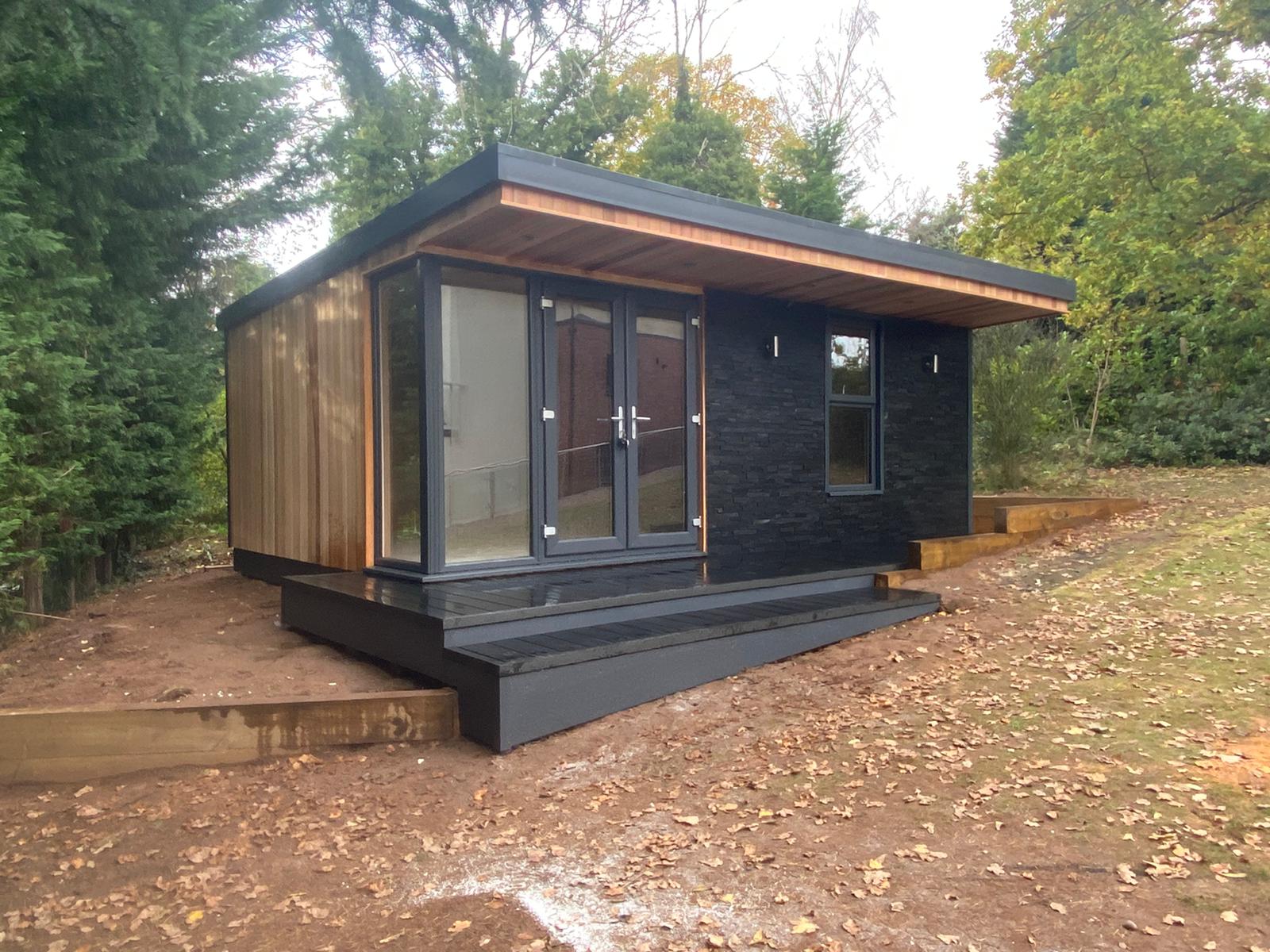
Building a garden room on a sloping site can present unique challenges, but with the right design approach and construction expertise, it also offers exciting opportunities for creating a truly standout space. Sloped gardens are common across the UK, especially in rural areas, hilly towns, and properties built on uneven terrain. While a flat plot is ideal for a straightforward installation, many homeowners with sloping gardens assume they can’t have a garden room—or that it will be prohibitively expensive. That’s far from the truth. In fact, some of the most visually stunning garden rooms are built into or above uneven ground, turning a potential obstacle into a design asset. In this article, we’ll explore the key challenges of building on a sloping site, how those challenges can be overcome, and the creative solutions that can elevate both the form and function of your garden room.
Understanding the Impact of a Sloping Site
Before looking at solutions, it’s important to understand how a sloping site affects the construction of a garden room. Unlike level ground, a slope can impact every stage of the build—from initial access and foundations to the finished elevation and layout of the space.
Here are the main implications of a sloped plot:
-
Foundation Complexity: Uneven ground requires a more complex foundation solution than a flat site. The steeper the slope, the more support is needed to create a level base.
-
Access Challenges: Builders and materials may need to navigate difficult or narrow terrain, increasing labour and transport effort.
-
Design Considerations: A sloping site can affect the overall height, planning regulations, and internal layout of the room.
-
Drainage and Water Management: Water naturally runs downhill, so careful consideration is needed to prevent pooling around or beneath the structure.
Despite these challenges, sloping plots can offer exciting architectural opportunities. Elevated views, tiered garden design, and sunken garden rooms all become possible—often resulting in a more dynamic and integrated outdoor space.
The Most Common Types of Sloping Gardens
Not all sloped gardens are the same. The direction and severity of the gradient affect how your garden room will be designed and installed.
-
Downward Slope Away from the House
This is the most common layout. The garden room will sit lower than the house, potentially requiring steps or a ramp down. Drainage is typically less of an issue. -
Upward Slope Away from the House
Here, the back of the garden is higher than the house. Garden rooms in this scenario may be partially built into the slope or require retaining walls behind them. -
Sideways Slope
A lateral slope across the garden presents unique challenges for levelling and may require split-level designs or extensive groundwork to create a stable base. -
Terraced Gardens
These are already divided into stepped levels, which can be ideal for positioning a garden room on an existing flat tier.
Understanding your garden’s slope direction and steepness is the first step in creating an appropriate design.
Foundation Solutions for Sloped Garden Rooms
The foundation is the most critical element when building on a slope. It needs to provide a level, stable base that compensates for the gradient while supporting the weight of the entire structure.
Here are the most common foundation methods used on sloping sites:
1. Concrete Plinths or Pads
Concrete pads or piers are installed at different heights to create a level surface. Timber or steel posts are then used to support the building. This method is ideal for mild to moderate slopes and allows for air circulation beneath the garden room, reducing damp risk.
2. Steel Ground Screws
Ground screws are a modern, low-impact alternative to concrete. They are ideal for sloped sites because each screw can be adjusted to suit the ground level. They require minimal excavation, making them a great choice for preserving the landscape and reducing installation time.
3. Retaining Walls with Backfilled Platforms
For steeper slopes, you may need to build a retaining wall and backfill behind it to create a flat terrace. The garden room is then constructed on this new level area. While more expensive, this method allows for better integration into the garden.
4. Split-Level or Tiered Construction
In some cases, part of the garden room may follow the slope, with steps inside or outside. This is a more advanced architectural approach but can result in a truly unique and beautiful building.
At Oeco Garden Rooms, we assess every site individually and recommend the most efficient and effective foundation system for your specific plot and building requirements.
Planning Permission Considerations
One often-overlooked factor when building on a slope is how the height of the garden room is measured in relation to planning rules. Under UK Permitted Development guidelines, garden rooms must not exceed 2.5 metres in height if placed within 2 metres of a boundary. On a sloped site, the "natural ground level" may be interpreted differently by planning authorities.
Key tips include:
-
Always measure height from the highest point of ground next to the building, not the lowest.
-
For significant slopes, a planning application may be required, even if the room is under 2.5 metres on the downhill side.
-
Local authorities may request cross-sectional drawings to assess how the garden room sits within the slope.
-
A planning consultant or experienced garden room provider can help ensure compliance.
If your garden room includes features like decking, steps, or platforms, these may also impact planning eligibility depending on their height and proximity to boundaries.
Design Solutions for Sloping Sites
With the right design approach, a sloping site can be transformed into a stunning backdrop for your garden room. Here are some practical and creative design ideas:
1. Raised Decking and Terraces
Elevate the garden room on a raised deck to create level access and usable outdoor space. This works well on downward slopes and can turn the area underneath into useful storage.
2. Sunken Garden Rooms
For upward slopes, consider partially embedding the garden room into the hillside. This reduces its visual impact and can create a cosy, earth-sheltered aesthetic with natural insulation benefits.
3. Steps and Ramps for Access
Install tasteful steps, ramps, or even split-level platforms to connect your house and garden room. Using the same materials throughout (e.g., composite decking, stone, or brick) ensures a cohesive look.
4. Wraparound Landscaping
Blend your garden room into the slope with landscaping. Raised beds, retaining planters, and curved paths can soften the transition and make the building feel more integrated.
5. Panoramic Windows
A garden room perched on a slope often offers elevated views. Take advantage with floor-to-ceiling glazing or panoramic windows that frame the scenery.
6. Canopies and Overhangs
On a raised platform, a canopy can provide shelter for steps, hot tubs, or outdoor seating areas—especially helpful when building in exposed or windy sites.
7. Green Roofs for Visual Softening
If your garden room is built into a slope and viewed from above, a green roof can reduce visual impact and create a more harmonious appearance with the landscape.
Real-Life Example: Garden Room on a Challenging Slope
At Oeco Garden Rooms, we recently completed a project for a client in Yorkshire whose rear garden sloped steeply downward from the house. The client wanted a 5m x 3.5m home office with a panoramic view of the countryside. Our team used a combination of ground screws and concrete pads to create a level base, installed a raised composite deck for access, and added glass balustrades to maximise the view. The result was a floating-style garden room that appeared to hover above the garden—a modern, functional, and visually stunning solution.
Drainage and Groundwater Management
Sloped sites often require careful drainage planning to ensure water doesn’t collect under or around the building. Key considerations include:
-
Installing French drains or perforated pipes around the structure
-
Sloping the surrounding ground away from the base
-
Using breathable membranes and damp-proof membranes (DPM) in the floor build-up
-
Choosing raised foundation systems to keep the building off the wet ground
Proper drainage not only prevents flooding and structural issues but also protects the insulation and internal finishes.
Maintenance and Longevity on Sloped Sites
A garden room on a sloping site can be just as durable as one on level ground—provided it’s installed correctly. To ensure longevity:
-
Keep underfloor spaces clear for ventilation
-
Inspect retaining structures annually
-
Clean and treat decking or cladding regularly
-
Monitor for signs of movement or subsidence in extreme cases
Choosing a reputable supplier with experience in sloped garden builds is essential for peace of mind.
Cost Implications
There’s no doubt that building on a slope can increase the complexity—and therefore the cost—of a garden room installation. Additional costs may include:
-
Specialist foundation systems (e.g., ground screws or retaining walls)
-
Extra labour for access and groundwork
-
Custom design features like steps, decking, or terraces
-
Planning applications and surveys
However, these costs are often offset by the value added to your home, the usable space gained, and the sheer enjoyment of a perfectly positioned outdoor retreat.
Choosing the Right Garden Room Provider
When building on a sloping site, it’s crucial to work with a garden room specialist that understands the specific requirements and challenges involved. At Oeco Garden Rooms, we:
-
Offer free site surveys to assess sloped plots
-
Custom-design every building to suit your terrain
-
Provide foundation solutions tailored to your gradient
-
Handle all planning and compliance needs
-
Use premium materials for long-term durability and low maintenance
We turn difficult plots into stunning garden escapes with lasting value and comfort.
Final Thoughts
A sloping garden doesn’t have to be a barrier to owning a beautiful, functional garden room. In fact, it can provide a unique opportunity to create something extraordinary. With the right planning, design, and construction approach, your sloped plot can be transformed into a breathtaking space that enhances both your lifestyle and property.
Whether you're looking to build a home office, creative studio, gym, or guest room, a well-designed garden room on a sloping site can add character, value, and year-round usability to your home.