
Garden Sewing Rooms – Create Your Perfect Sewing and Dressmaking Studio at Home
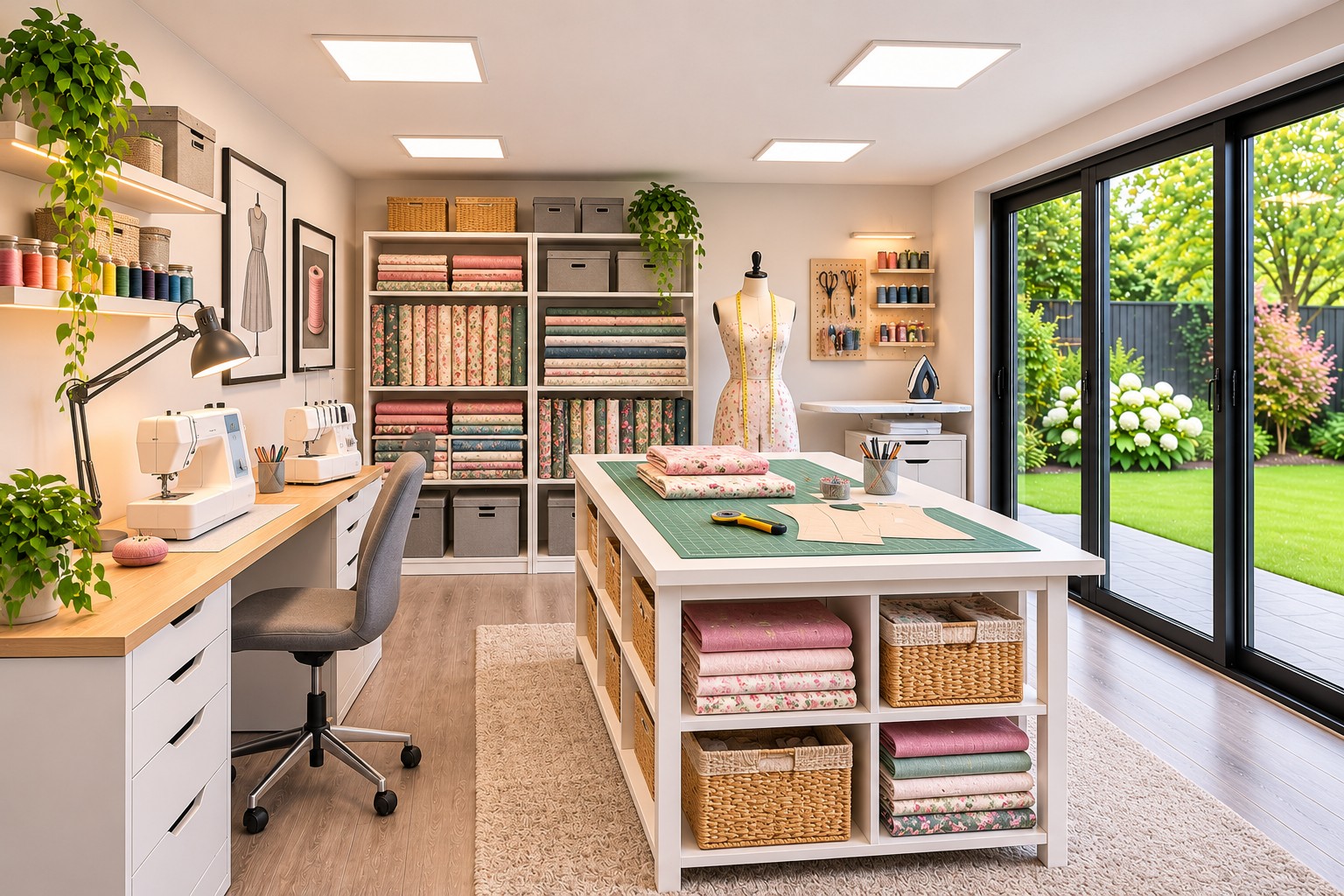
Beautifully Designed, Fully Insulated Garden Sewing Studios for Dressmaking, Quilting, Embroidery and Creative Crafts
For anyone who enjoys sewing, having a dedicated space to work on creative projects can make an enormous difference. Whether you're making clothes, creating beautiful quilts, experimenting with embroidery or developing your own textile designs, sewing is a rewarding activity that often requires more space than you might initially expect.
Sewing machines, overlockers, cutting mats, fabric collections, dressmaking patterns and other equipment can quickly take over spare bedrooms, dining tables and shared household rooms.
For many sewing enthusiasts, one of the greatest frustrations is having to pack everything away before a project is finished.
A garden sewing room provides an attractive solution.
By creating a dedicated sewing studio just a few steps from your home, you can enjoy a permanent creative workspace designed around your equipment, fabrics and individual interests.
Modern garden rooms offer comfortable, fully insulated interiors with attractive flooring, double glazing, electrical installations and a choice of contemporary exterior finishes.
The interior can accommodate sewing machines, large cutting tables, fabric storage, ironing equipment and comfortable workstations, allowing everything to remain organised and ready for your next project.
Whether you're an enthusiastic hobbyist, experienced dressmaker, passionate quilter or textile artist, a purpose-designed garden sewing studio can provide an inspiring environment for creativity.
At Oeco Garden Rooms, we have been designing, manufacturing and installing contemporary garden buildings since 2006.
Our range includes affordable Essential Garden Pods, versatile Garden Rooms and premium Luxury Garden Studios.
In this guide, we'll explore the advantages of garden sewing rooms, practical layouts, sewing machine workstations, fabric storage, lighting, suitable building sizes and the features that can help you create your ideal creative retreat.
What Is a Garden Sewing Room?
A garden sewing room is a separate garden building designed to provide a dedicated environment for sewing, dressmaking, quilting, embroidery and other textile activities.
Unlike a conventional garden shed or summerhouse, a modern insulated garden room can provide a comfortable workspace throughout the changing seasons.
The interior can be arranged around sewing machines, cutting tables, fabric storage and other specialist equipment.
Some customers prefer a compact sewing studio for occasional projects, while others require larger rooms with multiple workstations and extensive storage.
A dedicated garden sewing room allows equipment to remain permanently positioned, making it easier to continue projects without repeatedly setting up and dismantling your workspace.
The building can also be decorated and furnished to reflect your individual creative style.
Why Choose a Garden Sewing Room?
One of the greatest advantages of a garden sewing room is the opportunity to create a permanent space devoted entirely to your favourite hobby.
Sewing often involves several stages, including measuring, cutting, stitching, pressing and finishing.
Trying to accommodate these activities within a shared household room can be inconvenient.
A dedicated garden sewing studio allows you to organise different work areas around the way you prefer to sew.
Permanent Sewing Workstations
Your sewing machine, overlocker and other equipment can remain set up between sessions.
More Space for Creative Projects
A separate room can accommodate cutting tables, fabric storage and larger projects.
Fewer Household Interruptions
Working away from the main house can provide a quieter environment for concentration.
Better Organisation
Fabric, patterns, threads and accessories can be stored in dedicated cabinets and shelving.
Creative Freedom
The room can be personalised with attractive colours, furniture and decorative features.
For sewing enthusiasts who regularly undertake projects, these advantages can make a dedicated garden studio particularly appealing.
Garden Sewing Rooms for Beginners
A garden sewing room isn't only suitable for experienced dressmakers and textile artists.
Beginners can also benefit from having a comfortable, organised environment in which to learn.
Creating a Simple Sewing Setup
A sturdy desk, comfortable chair and sewing machine provide a practical starting point.
Learning New Techniques
A dedicated workspace allows you to practise stitching, hemming and other techniques without repeatedly moving equipment.
Organising Materials
Small drawers, storage boxes and shelving can accommodate threads, needles and fabric.
Developing Your Skills
As your confidence grows, additional equipment can be incorporated into the room.
A compact garden sewing studio can provide an enjoyable environment for developing your creative abilities.
Garden Dressmaking Studios
Dressmaking is one of the most popular activities for a dedicated sewing studio.
Creating clothing often requires space for measuring, cutting, fitting and assembling garments.
A garden dressmaking room can accommodate these different stages within one organised environment.
Cutting Tables
A large cutting table provides a suitable surface for laying out fabric and dressmaking patterns.
Dressmaker's Mannequins
An adjustable dress form can be useful for checking garment shapes and fitting.
Garment Rails
Clothing rails provide convenient storage for garments in progress.
Sewing Workstations
A dedicated sewing desk can accommodate your main machine and accessories.
Pressing Areas
An ironing board or pressing station is useful for preparing fabric and finishing seams.
For customers who regularly make clothing, a garden dressmaking studio can provide a practical alternative to working in shared household rooms.
Garden Quilting Rooms
Quilting can require considerable floor space, particularly when working with larger projects.
A dedicated garden quilting room provides somewhere to cut fabric, arrange quilt blocks and assemble finished designs.
Large Cutting Surfaces
A spacious table allows fabric to be measured and cut accurately.
Quilt Layout Areas
Sufficient floor or wall space can be useful for arranging quilt blocks and checking patterns.
Fabric Organisation
Shelving and storage drawers can accommodate different fabrics and colours.
Sewing Machine Positioning
A suitable workstation should provide enough space to support larger quilts during stitching.
Comfortable Lighting
Good lighting is particularly important when working with detailed patterns and small fabric pieces.
A garden quilting studio can provide an attractive environment for both individual projects and creative experimentation.
Garden Embroidery Studios
Embroidery involves detailed work that benefits from suitable lighting, comfortable seating and organised materials.
A dedicated garden embroidery studio can provide an enjoyable environment for hand embroidery, machine embroidery and decorative textile projects.
Hand Embroidery
A comfortable chair and adjustable task lighting can create a practical workspace.
Machine Embroidery
An embroidery machine may require a dedicated desk and suitable electrical sockets.
Thread Storage
Organised thread racks and drawers make it easier to find colours and accessories.
Pattern Storage
Shelving and cabinets can accommodate embroidery designs, hoops and materials.
Creative Display
Finished embroidery pieces can be displayed around the room to create an inspiring atmosphere.
For customers who enjoy intricate textile work, a garden studio can provide a peaceful space for creativity.
Creating the Ideal Sewing Machine Workstation
A sewing machine workstation is one of the most important features of a garden sewing room.
The desk should provide sufficient space for the machine, fabric and accessories.
Choosing a Suitable Desk
A sturdy table helps minimise movement and vibration during sewing.
Comfortable Working Height
The desk and chair should allow comfortable positioning of your arms and shoulders.
Adjustable Seating
A supportive chair can help maintain comfort during longer sewing sessions.
Machine Clearance
Sufficient space should be available around the machine for handling fabric.
Practical Storage
Drawers and small organisers can keep scissors, pins, threads and other accessories close at hand.
A well-planned sewing workstation can make everyday sewing activities considerably more convenient.
Garden Sewing Rooms with Multiple Machines
Many experienced sewing enthusiasts use more than one machine.
A garden sewing studio can accommodate a conventional sewing machine, overlocker, coverstitch machine or embroidery machine.
Separate Workstations
Where space allows, individual machines can be positioned on separate desks.
Shared Work Surfaces
A longer worktop may accommodate several machines.
Electrical Socket Positions
Sockets should be positioned conveniently to avoid unnecessary extension leads.
Equipment Storage
Machines not in regular use can be stored securely in suitable cabinets.
Flexible Layouts
Movable furniture can help accommodate different projects and equipment.
A larger garden sewing room may be particularly attractive for customers who regularly work with several machines.
Cutting Tables for Garden Sewing Studios
A suitable cutting table can make a considerable difference to the convenience of dressmaking and quilting.
Cutting fabric on the floor or dining table can be uncomfortable and impractical.
A dedicated cutting surface allows you to measure and prepare materials more easily.
Choosing the Right Height
The table should be positioned at a comfortable working height.
Large Cutting Mats
Self-healing cutting mats provide a practical surface for rotary cutters and other tools.
Storage Beneath the Table
Drawers and shelving can accommodate fabric, patterns and accessories.
Central Cutting Tables
Larger garden sewing studios may have sufficient space for a central cutting table.
Foldable Tables
Compact sewing rooms may benefit from folding or extendable work surfaces.
The ideal cutting table depends on your available space and the type of projects you undertake.
Fabric Storage and Organisation
Fabric collections can quickly grow, particularly for dressmakers and quilters.
A dedicated garden sewing room provides the opportunity to create organised storage arrangements.
Open Shelving
Shelves allow fabrics to be arranged by colour, type or project.
Storage Cabinets
Closed cabinets can help protect fabrics from dust and direct sunlight.
Fabric Drawers
Drawers are useful for smaller fabric pieces and accessories.
Pattern Storage
Folders and filing systems can keep dressmaking patterns organised.
Thread Organisation
Wall-mounted racks and storage boxes can accommodate thread collections.
Good organisation can make sewing projects more enjoyable by keeping materials easy to find.
Natural Daylight for Garden Sewing Rooms
Natural daylight is particularly valuable for sewing, dressmaking and textile work.
Large glazed doors and carefully positioned windows can introduce daylight and create a bright, welcoming environment.
Matching Fabric Colours
Natural light can help when comparing fabric shades and coordinating materials.
Detailed Stitching
Good illumination is important for accurate sewing.
Positioning Workstations
A sewing desk positioned near a window can benefit from natural daylight.
Managing Glare
Direct sunlight may create uncomfortable glare or strong shadows.
Protecting Fabrics
Prolonged exposure to direct sunlight can cause some fabrics to fade.
Suitable blinds and careful storage can help protect materials.
A garden sewing room should balance natural daylight with practical lighting control.
Task Lighting for Sewing and Dressmaking
Although natural daylight is attractive, additional lighting is essential for detailed sewing activities.
Adjustable Desk Lamps
A suitable task lamp can illuminate the sewing machine and surrounding work surface.
LED Lighting
Modern LED lighting can provide bright, efficient illumination.
Cutting Table Lighting
Good overhead lighting is useful when measuring and cutting fabric.
Embroidery Lighting
Detailed embroidery may benefit from adjustable lighting positioned close to the work.
Colour Accuracy
Photographers and textile artists often consider the colour rendering of lighting.
For sewing, good colour rendering can help when selecting and matching fabrics.
A combination of natural daylight and suitable artificial lighting can create comfortable working conditions throughout the day.
Ironing and Pressing Areas
Pressing is an important part of dressmaking, quilting and garment construction.
A dedicated garden sewing room can accommodate an ironing board or pressing station.
Ironing Boards
A suitable ironing board provides a practical surface for pressing fabric and seams.
Steam Irons
Steam irons may be used for garment preparation and finishing.
Pressing Equipment
Some dressmakers use specialist pressing tools for collars, sleeves and other garment details.
Safe Storage
Hot irons and pressing equipment should be stored safely.
Ventilation
Steam and heat can increase moisture and temperature within the room.
Suitable ventilation is therefore important.
The pressing area should be positioned away from vulnerable fabrics and electrical equipment.
Garden Sewing Rooms for Small Creative Businesses
Some sewing enthusiasts develop their hobby into a small business.
A dedicated garden sewing studio may provide a suitable environment for dressmaking, alterations, embroidery services or handmade textile products.
Dressmaking Businesses
A garden studio can provide space for sewing machines, cutting tables and garment storage.
Clothing Alterations
A dedicated workspace may accommodate alterations and repair activities.
Handmade Products
Small businesses producing cushions, bags, clothing or other textile items can benefit from permanent workstations.
Online Sales
A garden sewing room may also accommodate packaging and administration activities.
Client Appointments
Where customers visit for fittings or consultations, relevant planning, insurance and accessibility requirements should be considered.
A garden sewing studio can provide a practical base for creative business activities, subject to the applicable requirements.
Choosing the Right Size for a Garden Sewing Room
The ideal size depends on the equipment, storage and work surfaces required.
Compact Garden Sewing Rooms
A 3m x 2.5m garden room may provide sufficient space for a sewing machine workstation, compact cutting table and practical storage.
Medium Garden Sewing Studios
A 4m x 3m or 5m x 3m building offers greater flexibility for multiple machines, larger cutting tables and fabric storage.
Large Garden Dressmaking Studios
A 6m x 3m or larger building may accommodate several workstations, garment rails and a central cutting table.
Internal Floor Space
Remember that usable internal dimensions will be smaller than the external building measurements.
Furniture arrangements and circulation space should be considered before choosing the building size.
Small Garden Sewing Rooms for Compact Gardens
You don't need a large garden to create a dedicated sewing space.
A compact garden sewing room can provide an attractive environment for individual projects.
Wall-Mounted Storage
Shelving and cabinets can maximise available floor space.
Foldable Cutting Tables
A folding table can provide additional workspace when required.
Compact Sewing Desks
A carefully selected desk can accommodate your machine without overcrowding the room.
Natural Daylight
Glazed doors can create a bright interior.
Affordable Garden Pods
Our Essential Garden Pods provide a practical option for customers seeking a compact creative workspace.
Careful planning can help make even a smaller garden sewing studio comfortable and functional.
Garden Sewing Room Flooring and Interior Finishes
The interior of a garden sewing room should be practical, comfortable and easy to maintain.
Laminate Flooring
Laminate flooring provides an attractive surface that can be cleaned easily.
Smooth Walls
Professionally plastered walls provide flexibility for decorating and installing suitable storage.
Neutral Colours
Soft neutral colours can create a bright environment and help when comparing fabric colours.
Comfortable Furniture
Supportive chairs and suitable worktables are important for regular sewing.
Practical Layouts
The interior should provide convenient movement between sewing, cutting and pressing areas.
Our Premium Garden Rooms offer attractive interior finishes suitable for creating dedicated creative spaces.
Electrical Requirements for Garden Sewing Rooms
Sewing studios often contain several electrical devices.
Sewing machines, overlockers, embroidery machines, irons and lighting equipment may all require power.
Planning Socket Positions
Electrical sockets should be positioned conveniently for workstations.
Multiple Machines
Customers using several machines may require additional sockets.
Pressing Equipment
Steam irons and other pressing equipment should be connected according to the manufacturer's instructions.
Cable Management
Carefully planned cable routes can help reduce trip hazards.
Electrical Safety
Electrical installations should comply with applicable regulations and be undertaken by suitably qualified professionals.
Oeco can discuss suitable electrical arrangements during the planning stage.
Heating and Insulation for Year-Round Sewing
A garden sewing room should provide comfortable conditions throughout the changing seasons.
Fully insulated walls, floors and roofs help reduce heat loss during colder months.
Winter Heating
Suitable heating can maintain comfortable internal temperatures.
Summer Ventilation
Opening windows and glazed doors can provide fresh air during warmer weather.
Optional Air Conditioning
For customers seeking greater temperature control, optional air conditioning may be considered.
Protecting Fabrics
Suitable ventilation and humidity management can help protect stored fabrics and sewing equipment.
Comfortable Working Conditions
A pleasant internal environment makes longer sewing sessions more enjoyable.
Modern insulated garden rooms provide a practical foundation for year-round creative activities.
Protecting Fabrics and Sewing Equipment from Moisture
Fabric, patterns and sewing equipment should be stored in suitable conditions.
Excessive moisture can damage some materials and contribute to mould growth.
Ventilation
Suitable ventilation helps manage indoor humidity.
Fabric Storage
Closed cabinets can help protect fabrics from dust and everyday exposure.
Temperature Control
Avoiding extreme temperature changes can help maintain suitable storage conditions.
Equipment Care
Sewing machines should be maintained according to the manufacturer's recommendations.
Monitoring Humidity
A simple hygrometer can help monitor indoor humidity levels.
A fully insulated garden sewing room with suitable heating and ventilation can provide a comfortable environment for storing and using creative equipment.
Garden Sewing Rooms with Contemporary Exterior Designs
A garden sewing room can be designed to complement your home and surrounding garden.
Oeco offers a choice of contemporary cladding materials, including Western Red Cedar, Thermowood and composite options.
Western Red Cedar
Provides a warm, natural timber appearance.
Smoothgrain Composite
Available in contemporary colours including charcoal, olive green, stone grey and teak.
ProClad Woodgrain Composite
Offers a selection of attractive woodgrain-inspired finishes.
Mixed Cladding Designs
Different cladding materials can be combined to create a distinctive appearance.
For example, Western Red Cedar across the front elevation can be paired with charcoal composite cladding on the sides and rear.
A contemporary garden sewing room can become an attractive architectural feature within your garden.
Planning Permission for Garden Sewing Rooms
Many garden sewing rooms in England can be installed under permitted development rights when used for activities incidental to the enjoyment of the main dwelling, provided the relevant conditions are satisfied.
However, permitted development rights do not apply in every situation.
Listed buildings, designated land and properties with restricted permitted development rights may require additional approvals.
Commercial dressmaking activities, regular client appointments or employees may also affect planning requirements.
Building Regulations should be considered separately.
Homeowners should establish the applicable requirements before proceeding.
Choosing the Right Oeco Garden Sewing Room
At Oeco, we offer several garden building ranges suitable for creating dedicated sewing and dressmaking spaces.
Essential Garden Pods
Our Essential Garden Pods provide affordable, fully insulated buildings.
They may be suitable for compact sewing rooms with a machine workstation, storage and small cutting table.
Premium Garden Rooms
Our Premium Garden Rooms feature fully insulated construction, professionally plastered interiors, attractive laminate flooring and double glazing.
They provide flexible spaces for sewing machines, cutting tables and fabric storage.
Luxury Garden Studios
Our Luxury Garden Studios combine contemporary architectural styling with premium materials and refined interior finishes.
These buildings can provide an attractive environment for customers seeking a more luxurious creative workspace.
Garden Workshops
Customers requiring larger work surfaces or more extensive equipment storage may also wish to explore our Garden Workshops.
The most suitable building depends on your available space, equipment and intended sewing activities.
Why Choose Oeco for Your Garden Sewing Room?
Established in 2006, Oeco Garden Rooms is a family-run manufacturer with 20 years of experience designing, manufacturing and installing garden buildings throughout the UK.
We understand that creative hobbies often require dedicated space, practical storage and comfortable working conditions.
Some customers need a compact room for occasional sewing, while others require larger studios for dressmaking, quilting and textile projects.
Our team can discuss suitable building dimensions, glazing arrangements, electrical socket positions and interior finishes.
Customers can choose from a variety of contemporary exterior cladding materials, including Western Red Cedar, Thermowood and composite options.
Our own experienced installation teams undertake the foundations and construction of our garden buildings.
Customers are welcome to visit our two indoor showrooms in Ripon, North Yorkshire, where they can explore our buildings and discuss their requirements.
Conclusion – Create Your Perfect Garden Sewing Room with Oeco
A garden sewing room offers an attractive way to create a dedicated space for dressmaking, quilting, embroidery and other textile activities.
Whether you're an enthusiastic beginner, experienced dressmaker or passionate quilter, a separate garden studio can provide the space and organisation required for enjoyable creative projects.
With suitable sewing workstations, cutting tables, fabric storage and lighting, the interior can be designed around your individual interests.
A fully insulated garden room also provides a comfortable environment for sewing throughout the changing seasons.
At Oeco Garden Rooms, we offer a choice of garden buildings suitable for different sewing requirements and budgets.
Our Essential Garden Pods provide affordable creative spaces, while our Premium Garden Rooms offer professionally finished interiors and flexible layouts.
For customers seeking our highest specification, our Luxury Garden Studios combine contemporary design with premium materials and attractive interior finishes.
Discover our Oeco Garden Rooms, explore our Essential Garden Pods, or browse our Luxury Garden Studios.
Alternatively, visit our two indoor showrooms in Ripon, North Yorkshire, where our friendly team will be happy to discuss your requirements.
Contact Oeco Garden Rooms Today
Telephone: 0800 170 1270
Email: sales@oecogardenrooms.co.uk
Oeco Garden Rooms – Beautifully Designed Garden Sewing Studios for Creativity and Enjoyment.
10 Benefits of Owning a Garden Sewing Room
1. Create a Dedicated Space for Sewing and Dressmaking
A garden sewing room provides a permanent workspace where you can enjoy sewing without taking over rooms inside your home. Sewing machines, cutting tables, fabric collections and accessories can remain organised and ready for use. Whether you're making clothes, creating quilts or experimenting with embroidery, a dedicated garden studio allows you to concentrate on your projects in a comfortable environment.
2. Keep Your Sewing Equipment Permanently Set Up
One of the greatest advantages of a garden sewing room is the convenience of leaving your equipment ready for your next project. Sewing machines, overlockers and embroidery machines can remain positioned on suitable workstations, eliminating the need to repeatedly assemble and dismantle your setup. This can save time and make regular sewing activities considerably easier to organise.
3. Enjoy More Space for Cutting and Preparing Fabric
Dressmaking and quilting often require large work surfaces for measuring, cutting and arranging fabric. A dedicated garden sewing studio can accommodate a suitable cutting table, providing a more comfortable alternative to working on dining tables or floors. Larger buildings may also accommodate central cutting tables with convenient access from several sides.
4. Organise Fabrics, Patterns and Sewing Accessories
A garden sewing room provides the opportunity to create organised storage for fabric collections, dressmaking patterns, threads, scissors and other accessories. Shelving, cabinets, drawers and dedicated storage systems can help keep materials easy to find. This organisation can make creative projects more enjoyable and reduce the time spent searching for equipment.
5. Enjoy Natural Daylight for Detailed Sewing
Large glazed doors and carefully positioned windows can introduce natural daylight, creating a bright environment for sewing and textile work. Good lighting is particularly important for matching fabric colours, following patterns and carrying out detailed stitching. Adjustable task lighting can provide additional illumination during darker evenings and winter months.
6. Create a Comfortable Sewing Studio for Year-Round Use
A fully insulated garden sewing room with suitable heating and ventilation can provide comfortable working conditions throughout the year. Unlike a conventional shed or summerhouse, a modern garden room is designed for regular year-round use. Optional air conditioning can provide additional temperature control, while suitable humidity management can help protect fabrics and equipment.
7. Accommodate Different Sewing and Textile Activities
A well-planned garden sewing room can provide space for dressmaking, quilting, embroidery, alterations and other textile projects. Flexible furniture arrangements and suitable storage allow the room to accommodate different activities. Customers with several machines may also create separate workstations for sewing, overlocking and embroidery.
8. Create an Inspiring Environment for Creativity
A garden sewing studio can be personalised to reflect your individual style and creative interests. Attractive interior colours, organised fabric displays, comfortable furniture and views of the surrounding garden can create a welcoming atmosphere. Having a dedicated space away from household distractions can make it easier to concentrate on detailed projects and enjoy your favourite hobby.
9. Develop a Small Sewing or Dressmaking Business
For customers who produce handmade clothing, alterations, embroidery or textile products, a garden sewing room may provide a practical workspace for a small creative business. The building can accommodate sewing equipment, fabric storage, cutting tables and administrative activities. Where regular client visits or commercial activities are intended, relevant planning, insurance and other requirements should be considered.
10. Invest in a Versatile Garden Building
A garden sewing room offers long-term flexibility because the building can accommodate different activities as your interests change. A room initially designed for dressmaking may later become a craft studio, home office, art room or hobby space. With fully insulated construction, attractive interior finishes and a practical layout, a professionally installed garden room can continue to provide enjoyable additional space for many years.
Frequently Asked Questions About Garden Sewing Rooms
1. What Size Garden Sewing Room Do I Need?
The ideal size depends on the sewing equipment, cutting tables and storage you intend to use.
A compact 3m x 2.5m garden sewing room may provide sufficient space for a sewing machine workstation, practical storage and a small cutting table.
A 4m x 3m or 5m x 3m building offers greater flexibility for multiple sewing machines, larger cutting tables and fabric storage.
Larger garden studios may accommodate several workstations, garment rails and a central cutting table.
When choosing dimensions, remember that usable internal floor space will be smaller than the external building measurements.
Our team can help you explore suitable building sizes for your sewing and dressmaking requirements.
2. Can I Use a Garden Sewing Room Throughout the Year?
Yes. A fully insulated garden sewing room with suitable heating and ventilation can provide comfortable working conditions throughout the year.
Modern garden rooms incorporate insulated walls, floors and roofs, together with double glazing and attractive interior finishes.
During colder months, suitable heating can help maintain comfortable temperatures.
In summer, opening windows and glazed doors can provide fresh air, while optional air conditioning may offer additional temperature control.
Suitable ventilation and humidity management can also help protect fabrics, sewing machines and other equipment.
Oeco offers a choice of fully insulated Garden Rooms, Garden Pods and Luxury Garden Studios suitable for creating dedicated sewing spaces.
3. Can I Fit Several Sewing Machines and a Cutting Table in a Garden Studio?
Yes. A suitably sized garden sewing studio can accommodate multiple machines, cutting tables and practical storage.
Customers may wish to include a conventional sewing machine, overlocker, embroidery machine or other specialist equipment.
A larger garden room can provide separate workstations, allowing equipment to remain permanently arranged.
A central cutting table may also be possible where sufficient floor space is available.
Electrical socket positions, furniture dimensions and comfortable circulation space should be considered during the planning stage.
Oeco can discuss suitable building sizes and layouts for customers requiring several sewing workstations.
4. Can I Run a Dressmaking or Sewing Business from a Garden Room?
Yes. A garden sewing room may provide a suitable workspace for dressmakers, clothing alteration businesses, embroidery services and other creative enterprises.
The building can accommodate sewing machines, cutting tables, fabric storage and everyday administrative activities.
However, regular client appointments, employees or other commercial activities may affect planning requirements.
Business owners should also consider suitable insurance, accessibility and other relevant obligations.
We recommend checking the applicable requirements before using a garden building for regular commercial sewing activities.
5. Why Choose Oeco for a Garden Sewing Room?
Established in 2006, Oeco Garden Rooms is a family-run manufacturer with 20 years of experience designing, manufacturing and installing garden buildings throughout the UK.
Our Essential Garden Pods provide affordable, fully insulated spaces suitable for compact sewing setups.
Our Premium Garden Rooms feature professionally plastered interiors, attractive laminate flooring and double glazing, creating flexible spaces for sewing machines, cutting tables and fabric storage.
For customers seeking a more luxurious creative workspace, our Luxury Garden Studios combine contemporary styling with premium materials and refined interior finishes.
We can also discuss suitable building sizes, glazing arrangements, electrical socket positions and optional air conditioning.
Our own installation teams undertake the foundations and construction of our garden buildings, and customers are welcome to visit our two indoor showrooms in Ripon, North Yorkshire.
Explore our Oeco Garden Rooms, Essential Garden Pods and Luxury Garden Studios to find the right building for your sewing and dressmaking activities.