
Hidden Ways a Garden Room Can Save You Money Long-Term
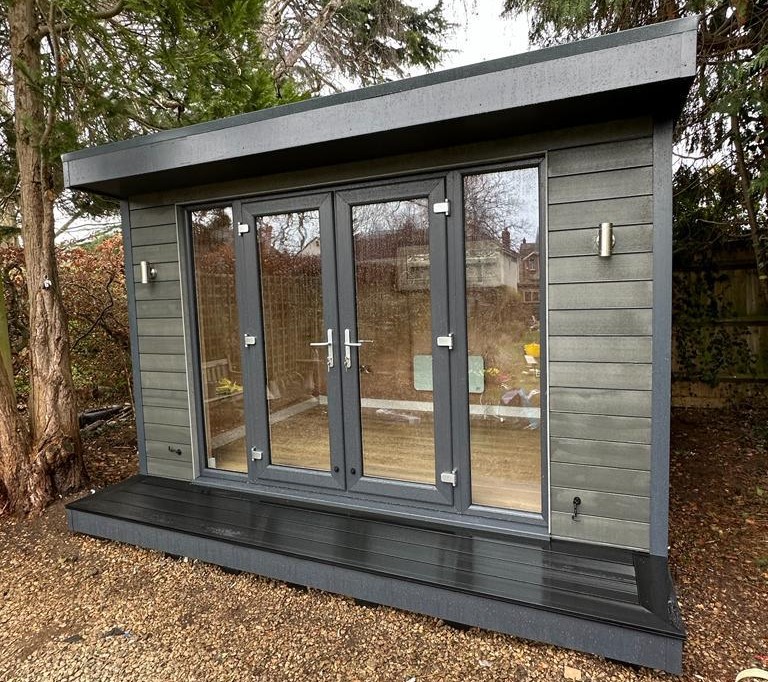
Garden rooms are often viewed as luxury additions—beautiful, functional spaces that enhance your lifestyle and add value to your home. While the initial investment can seem significant, what many homeowners don’t realise is that a well-designed garden room can actually save you money over the long term. From reducing your commuting costs to slashing utility bills and improving energy efficiency, there are many hidden financial benefits that make a garden room a surprisingly smart investment. In this article, we’ll explore the lesser-known ways a garden room can contribute to long-term savings, making it not only a lifestyle upgrade but a cost-effective one too.
1. Save on Office Rent and Coworking Fees
One of the most immediate and measurable savings comes if you’re currently paying for external office space. Whether it’s a private office, coworking membership, or serviced office suite, the monthly fees quickly add up. With a garden room used as a home office, you’ll eliminate those costs entirely.
Consider the following:
-
Average coworking memberships range from £200 to £600+ per month depending on location.
-
Private offices in cities can easily cost £1,000 to £2,000+ per month.
-
Even hot-desking or flexible working plans come with hidden travel and meal costs.
Installing a garden room as your personal office means you make a one-time investment and gain full-time, private access to your own professional space—no recurring fees, no commuting stress.
2. Cut Your Commute Costs
Commuting, whether by train, bus, or car, is one of the most underappreciated expenses. Fuel, wear and tear on your vehicle, parking charges, and public transport fares can eat into your monthly budget.
Let’s break down the average costs:
-
A daily round-trip car commute can cost £5–£15 in fuel alone.
-
Train or bus fares can add up to £100–£400 per month.
-
Parking fees in city centres can range from £5 to £20 per day.
-
Additional expenses include coffee stops, takeaways, and even work clothes.
With a garden room office, you cut these commuting costs to zero. Even if you only work from your garden office three days a week, the annual savings can be substantial—easily exceeding £2,000–£3,000 per year.
3. Reduce Heating and Utility Bills in Your Main Home
Garden rooms are incredibly energy-efficient—especially when built to high standards using quality insulation materials, double-glazed doors and windows, and energy-efficient lighting and heating systems. Many homeowners find that using a garden room instead of heating larger parts of the main house can reduce overall energy consumption.
Examples include:
-
Using the garden room as a warm retreat in winter evenings instead of heating the entire house.
-
Creating a self-contained space for teenagers or guests, reducing the need to run heating or lighting in multiple rooms.
-
Installing solar panels or using energy-efficient electric heating in the garden room to lower reliance on gas central heating.
With energy prices continuing to rise, having a space that can operate semi-independently and efficiently is a long-term money-saver.
4. Avoid Costly Home Extensions or Loft Conversions
If you need more space, a garden room can be a significantly cheaper and faster alternative to building a home extension or converting your loft. Planning a traditional extension often involves months of planning, permissions, disruption, and high construction costs. A garden room, on the other hand, can be installed in just a few weeks and often doesn’t require planning permission.
Here’s how the costs typically compare:
-
Rear home extensions: £30,000–£80,000+
-
Loft conversions: £40,000–£70,000+
-
Garden rooms: £15,000–£40,000 for luxury models
In many cases, a garden room provides the same usable space at a much lower cost, with less disruption and better flexibility. You also retain the ability to re-purpose or relocate it in the future.
5. Increase Property Value Without Overdeveloping
A well-designed garden room adds more than just functional space—it adds real value to your property. Because they are insulated, powered, and usable year-round, they appeal to a wide range of buyers. Whether used as a home office, gym, studio, or guest room, garden rooms offer flexible, desirable space that can set your property apart in a competitive market.
Studies suggest that a quality garden room can add between 5% and 15% to your home’s market value, depending on the location and usage. Unlike large extensions that may negatively affect garden space or planning limits, a garden room allows you to expand living space without overbuilding.
If you ever choose to sell your home, the return on investment can be substantial—helping you recover your initial spend and more.
6. Enable Income Generation Opportunities
A garden room isn’t just a place to escape to—it can also become an income-generating asset. With the right setup, your garden room can be used for side businesses, freelance work, or rental income.
Examples include:
-
Therapists or wellness practitioners using it as a consultation room
-
Personal trainers or yoga instructors running small sessions
-
Hairdressers or beauticians offering treatments in a home salon setup
-
Photographers or artists renting the space out for shoots or creative projects
-
Airbnb hosting if it’s fitted as a self-contained guest room with ensuite
Rather than renting a separate space, you can keep the income within your own property—paying off the investment faster and creating long-term earning potential.
7. Save on Leisure and Lifestyle Costs
Garden rooms provide excellent lifestyle benefits, often replacing the need to pay for services or facilities elsewhere. When fitted with the right amenities, your garden room can become your own gym, cinema room, reading nook, or relaxation spa—cutting down on subscriptions and travel to venues.
Examples of lifestyle savings:
-
Gym memberships: £30–£100/month
-
Coworking cafe bills: £5–£15/day
-
Cinema outings: £30+ for a family night
-
Coffee shop or pub working: £10–£20 per visit
With a garden room designed around your lifestyle, you can enjoy these activities from the comfort of your own home—on your own schedule and without the recurring costs.
8. Lower Childcare and School Holiday Expenses
If you’re a parent, the school holidays often come with a logistical and financial headache—activity clubs, childcare, transport, and entertainment. A garden room can act as a safe and versatile space for older children and teens, providing a space where they can be independent while staying at home.
Savings may come from:
-
Reduced need for holiday clubs or nanny services
-
Having a dedicated space for study, creativity, or socialising with friends
-
Providing a quiet room for tutoring or music practice
While it’s not a replacement for full childcare, a garden room gives your family more flexibility and can help reduce costs during the busiest times of the year.
9. Avoid Moving Costs
Outgrowing your home doesn’t always mean you need to move. A garden room can provide the extra space you need, whether it’s for work, relaxation, hobbies, or family life. Choosing to add a garden room rather than upsize can save you thousands in moving expenses.
Consider the typical costs of moving:
-
Stamp duty (up to 5% of property price)
-
Estate agent fees (1–2% of sale price)
-
Legal fees (£1,000–£2,000)
-
Surveyor and valuation fees
-
Removals and storage costs
-
Time, stress, and temporary accommodations
All of these costs can easily total £10,000–£25,000 or more. In comparison, adding a bespoke garden room gives you the extra space you need—quickly, affordably, and without the upheaval.
10. Reduced Maintenance and Running Costs
Unlike extensions or older rooms in the main house, modern garden rooms are designed to be low-maintenance and energy-efficient. When built with premium materials such as composite cladding, aluminium doors, insulated walls, and rubber roofing or interlocking panels, garden rooms require minimal upkeep.
This reduces costs in the following ways:
-
No regular repainting or timber treatments
-
Durable roofs that last 30–50 years without leaks
-
High-quality insulation that reduces the need for heating
-
LED lighting and energy-efficient heating options
Over time, the cost of maintaining your garden room will be far lower than traditional spaces, especially if it’s used regularly.
11. Tax and Business Expense Benefits
If you're self-employed or run a business from home, you may be eligible to offset some of your garden room costs as business expenses. While not all the construction cost is tax-deductible, many elements—especially internal fittings, equipment, and furniture—may be claimable.
Speak to a qualified accountant to see if you can:
-
Claim capital allowances on certain fittings
-
Deduct utility costs for the portion used for business
-
Reclaim VAT if you’re VAT-registered
Over time, these tax benefits can reduce your overall expenditure and help justify the upfront investment.
Final Thoughts
While a garden room may start as a lifestyle purchase, it’s clear that the long-term financial benefits can be substantial. From reducing daily costs like commuting and office rent to creating income-generating opportunities and improving your property’s value, a garden room is far more than just a luxury building—it’s a smart investment in your future. At Oeco Garden Rooms, we specialise in premium-quality, bespoke builds that are designed not only for style and comfort but also for durability, efficiency, and long-term use. If you’re ready to make an investment that pays off in more ways than one, a garden room could be the ideal solution.