
Home Automation Ideas for Your Garden Room
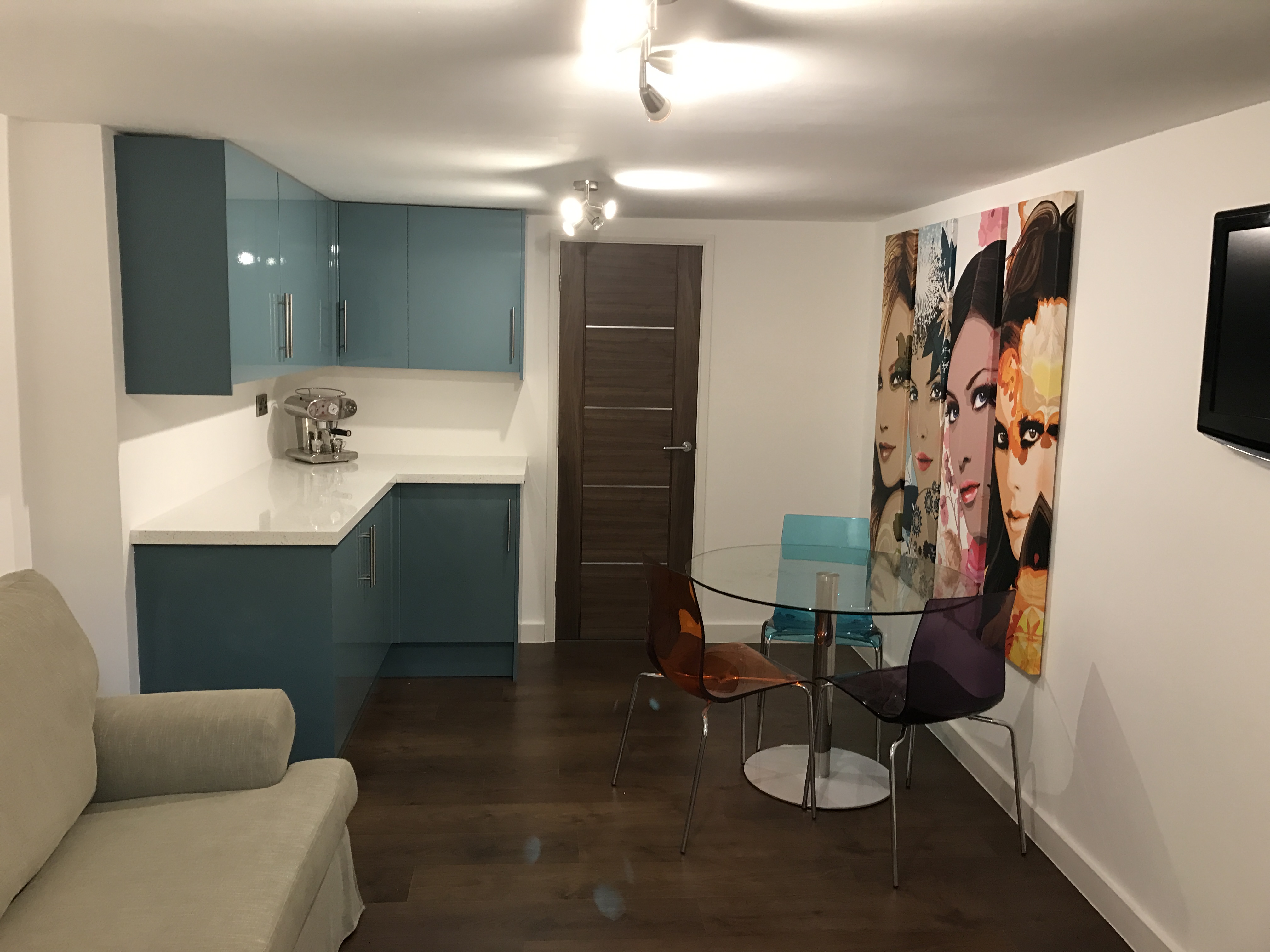
The modern garden room has evolved far beyond a simple shed or timber outbuilding. Today, these stylish, insulated spaces are being used for everything from home offices and wellness retreats to gyms, guest suites, and creative studios. With smart home technology becoming more accessible and user-friendly, integrating home automation into your garden room is a logical next step. Not only does it enhance convenience and comfort, but it also boosts energy efficiency, security, and the overall functionality of the space. In this article, we explore the top home automation ideas that can transform your garden room into a smart, responsive environment suited to modern living.
Why Automate Your Garden Room?
Before diving into specific devices and systems, it’s worth asking why home automation is valuable in a garden room. First and foremost, a smart garden room increases convenience. Imagine arriving at your garden office in the morning with the lights already on, the room warmed to the perfect temperature, and your playlist streaming gently in the background. Or picture turning everything off with a single voice command as you finish for the day. Second, automation enhances security. Motion sensors, smart cameras, and remote alerts can help protect your investment, especially if your garden room contains valuable equipment or electronics. Third, automation improves energy efficiency. By scheduling heating and lighting only when needed, or monitoring energy consumption remotely, you reduce waste and save money in the long term.
1. Smart Lighting Systems
Lighting is one of the easiest and most impactful elements to automate in your garden room. Smart bulbs or LED lighting strips can be controlled remotely via apps, scheduled to turn on or off at specific times, or triggered by motion or occupancy sensors. Popular systems include Philips Hue, LIFX, or budget-friendly alternatives like IKEA TRÅDFRI. With a smart lighting setup, you can create lighting “scenes” for different moods—bright and energising for work, soft and warm for relaxation, or coloured lights for creative inspiration. For exterior lighting, consider motion-activated smart floodlights or pathway lighting that switches on when someone approaches the building.
2. Climate Control: Heating and Cooling
Maintaining a comfortable temperature in your garden room is essential, particularly if you use it year-round. Smart thermostats and heating panels allow you to heat the space efficiently and only when needed. For electric panel heaters or infrared heaters, smart plugs with scheduling functions can be a simple solution. For more advanced systems, consider installing a smart thermostat like the Nest or Tado°, which learns your habits and adjusts automatically. Some models even integrate with geolocation, so the heating turns on as you approach home or off when you leave. In warmer months, smart ceiling fans or portable air conditioners can be added and controlled through the same app ecosystem.
3. Voice Assistant Integration
Voice-controlled assistants such as Amazon Alexa, Google Assistant, or Apple Siri offer seamless hands-free control of your smart garden room. You can control lighting, heating, music, and even security devices with simple voice commands. Integrating a voice assistant allows you to set routines like “Start Work,” which turns on lights, adjusts the temperature, and opens blinds—all with a single command. If your garden room is used as a therapy space, yoga studio, or wellness retreat, voice-activated controls help maintain focus and flow without fiddling with switches or apps.
4. Smart Blinds and Window Treatments
Automated blinds can enhance both privacy and energy efficiency in your garden room. These systems can be programmed to open and close based on the time of day, the angle of the sun, or room temperature. For instance, blinds can close automatically during the hottest part of the afternoon to keep the room cool, or open in the morning to let in natural light. Brands like Somfy, Lutron, and IKEA offer motorised blinds that can be linked with smart home ecosystems. Battery-operated versions are available for installations where mains wiring is inconvenient.
5. Smart Security Features
Garden rooms can contain valuable items—laptops, instruments, gym equipment, or personal files. Protecting the space is vital, especially if it's detached from your main home. Smart security systems can include motion detectors, glass-break sensors, smart locks, and video cameras. Products like Ring, Arlo, and Eufy offer wireless solutions with cloud storage and real-time notifications. You can view a live feed from your phone, receive motion alerts, or even speak to someone through a two-way intercom if the system detects movement. Smart locks with keypads or biometric access are also available for those who rent out their garden room as accommodation or workspace.
6. Entertainment Systems
For those using their garden room as a home cinema, music studio, or personal retreat, integrating smart entertainment options can be a game-changer. Smart TVs, wireless speakers, and streaming devices can all be connected and managed via central hubs or apps. Brands like Sonos offer multi-room audio systems, so your garden room can be part of a whole-house audio experience. Smart projectors, paired with blackout blinds and automated lighting, can turn your garden room into a fully immersive cinema or gaming zone.
7. Smart Plugs and Power Management
Smart plugs are one of the simplest ways to bring automation to your garden room. They allow you to control any connected appliance via an app or voice command. For example, you can switch off a desk fan, lamp, or kettle remotely, ensuring you never leave devices on unnecessarily. Some smart plugs offer energy monitoring, helping you track consumption and identify areas for improvement. This is particularly useful for off-grid garden rooms running on solar or battery power, where energy efficiency is paramount.
8. Solar Panel Monitoring and Battery Management
If your garden room is off-grid or partially powered by solar panels, you can monitor energy generation and usage using smart inverters or battery systems. Brands like Tesla (with Powerwall) or Growatt offer intuitive apps that display energy flow, battery status, and usage trends in real time. This allows you to optimise power use, avoid battery drain, and make decisions about when to charge or discharge stored energy. For environmentally conscious homeowners, this provides greater control over your energy footprint and ensures the longevity of your off-grid system.
9. Air Quality and Ventilation Control
Smart air purifiers, dehumidifiers, and ventilation systems can help maintain a healthy indoor environment—especially important in garden rooms used as gyms, studios, or therapy spaces. Devices like the Dyson Pure Cool or Philips Series 3000i monitor air quality, remove allergens and pollutants, and report levels back to your smartphone. You can also integrate humidity sensors that trigger ventilation fans when moisture levels rise—ideal for keeping your garden room free of condensation and damp.
10. Water Management and Irrigation
If your garden room includes a green roof, garden beds, or adjacent landscaping, smart irrigation systems can automate watering based on weather, soil moisture, and time of day. Products like Rachio, Gardena, or Eve Aqua offer app-controlled watering systems that adapt to seasonal changes. These systems are particularly useful for off-grid or eco-focused garden rooms with rainwater harvesting or greywater systems. Automated water valves and sensors help conserve resources while keeping your garden lush and healthy.
11. Occupancy and Motion Sensors
Motion sensors serve multiple functions in a smart garden room. They can trigger lights when someone enters, activate cameras, or adjust climate settings based on occupancy. For example, a sensor can detect when the room is empty and turn off heating or lights after a set time. This reduces energy waste and enhances security. Sensors also offer peace of mind—if you’re away from home and receive a notification of unexpected movement, you can quickly check the camera feed or alert a neighbour.
12. Routines and Automation Scenes
One of the most powerful features of home automation is the ability to set up scenes or routines that control multiple devices at once. A “Good Morning” scene might raise the blinds, turn on gentle lighting, play your favourite playlist, and heat the room to 21°C. A “Goodbye” scene can shut down everything, arm the security system, and reduce the heating. These routines can be scheduled or triggered by your location (geofencing), a voice command, or even a sensor. With careful planning, your garden room can operate almost entirely on autopilot.
Integration Tips: How to Bring It All Together
When designing your smart garden room, consider the following integration tips:
-
Choose a Smart Home Ecosystem: Stick to one platform (e.g., Alexa, Google, or Apple HomeKit) to ensure device compatibility and easier control.
-
Use a Hub or Bridge: Devices like Samsung SmartThings or Apple HomePod can unify different smart devices into a single interface.
-
Plan for Wi-Fi: Ensure your garden room has a strong and stable Wi-Fi connection, either via mesh network or dedicated router.
-
Futureproof with Extra Sockets and Conduits: Leave room for expansion—you may want to add devices later.
-
Consult an Electrician: For hardwired solutions, especially heating or security, get professional installation to ensure safety and compliance.
Cost Considerations
Automating your garden room doesn’t have to be expensive. Many homeowners start small with a few smart plugs and lights, then expand over time. A basic smart setup can cost as little as £200 to £500. A fully integrated smart office or cinema, including voice control, climate management, and security, might range from £1,000 to £5,000 depending on the complexity and devices chosen. The good news is that you can automate in stages, adding new features as your needs or budget allow.
Who Benefits Most from Smart Garden Rooms?
Smart garden rooms are ideal for:
-
Home Office Workers: Automate lighting, heating, and background music to boost productivity.
-
Health and Wellness Enthusiasts: Create mood lighting, climate control, and purified air environments for yoga or meditation.
-
Remote Therapists and Professionals: Ensure privacy, comfort, and efficient energy use during appointments.
-
Content Creators: Control lighting, sound, and cameras for professional-grade production.
-
Tech-Savvy Homeowners: Add value, sophistication, and efficiency to your home with cutting-edge features.
Final Thoughts
Smart home technology offers endless possibilities for customising your garden room experience. Whether you're focused on comfort, convenience, energy savings, or security, the right mix of automation tools can elevate your garden room from functional to fantastic. As these technologies become more accessible and affordable, there's never been a better time to transform your outdoor space into a truly intelligent extension of your home.