
How Building Regulations Differ for Residential vs Commercial Garden Rooms
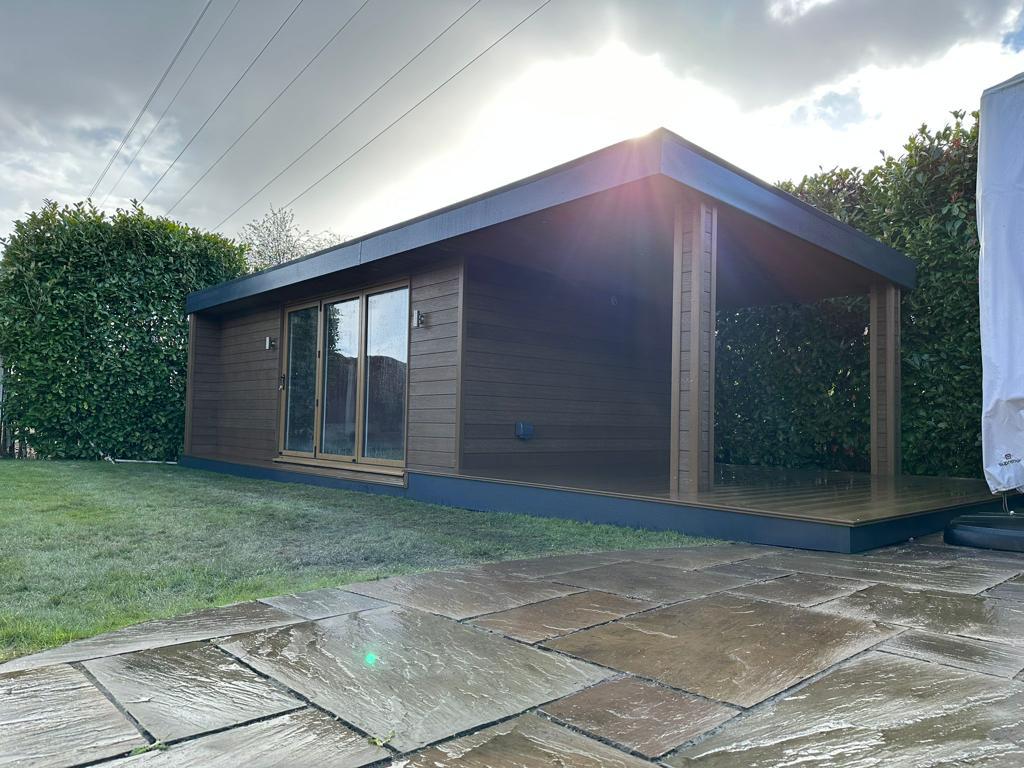
When it comes to installing a garden room, many homeowners focus on aesthetics, insulation, or the internal layout—but one of the most critical considerations is whether the building must comply with Building Regulations. What’s less well appreciated is how the requirements change when a garden room is for residential use (ancillary to the home) versus commercial use (business, public access, client visits, rental use). In this article we’ll explore in depth how Building Regulations differ for residential vs commercial garden rooms in the UK—what triggers full compliance, what exemptions may apply, and what you should check before commissioning or installing your garden room.
What Are Building Regulations?
Building Regulations set the standards for the design and construction of buildings to ensure safety, health, accessibility, structural integrity, energy efficiency and fire protection. They apply to most building work in England and Wales under the Building Act 1984. The regulations cover many “Parts” (for example Part?A – Structure; Part?B – Fire Safety; Part?P – Electrical Safety; Part?L – Conservation of fuel and power) and apply differently depending on the classification of the structure (dwelling, non?dwelling, or ancillary outbuilding).
For a garden room, you must consider: is it just a garden office/annex for home use (residential, ancillary), or is it being used in part or whole for commercial activity (e.g., therapy business, client meetings, rental, lettings)? That distinction often determines what standards apply.
Residential Garden Rooms (Ancillary to the Home) – When Regulations May Not Apply
For a garden room used for ancillary residential purposes (work from home, gym, studio, guest space with non?sleeping use, or hobbies) and when it meets certain criteria, you may not need full Building Regulations approval. The key thresholds are:
-
The garden room is detached from the main dwelling and is classed as an outbuilding.
-
The floor area is less than 15?m² and contains no sleeping accommodation. If so, Building Regulations do not normally apply.
-
If the floor area is between 15?m² and 30?m², then in many cases Building Regulations still do not apply provided the building contains no sleeping accommodation and is either at least 1 metre from any boundary or is constructed substantially of non?combustible materials.
What this means in practice: if you’re installing a modest garden room purely for incidental home use (office, gym, hobby), you may avoid the full compliance burden—saving cost and complexity.
However, “may avoid” does not mean “guaranteed”. Because if your building includes sleeping accommodation or exceeds thresholds, then Building Regulations apply and full compliance is required. For example: even a small building used as a bedroom or letting space triggers standards.
Even for ancillary use, certain elements always need to comply (for instance electrical installations, drainage, structural safety). So working with a supplier that understands which regulations apply is essential.
Key Requirements for Residential Garden Rooms When Regulations Apply
If your garden room triggers compliance (e.g., >30?m², sleeping use, or boundary/materials exceptions), then typical requirements include:
-
Structural calculations for the frame and foundations (Part?A).
-
Fire separation or fire?resisting construction if close to boundaries; materials may need fire ratings (Part?B). For example, outbuildings between 15–30?m² close to boundaries must be non?combustible or a metre away.
-
Safe electrical installations complying with Part?P—this is commonly required for any permanent wiring in a garden room.
-
Insulation and energy performance (Part?L) if the garden room is considered as a habitable space. While many ancillary rooms might avoid full insulation standards, if used as overnight accommodation then full compliance will be expected.
-
Drainage and water supply compliance if adding bathroom, kitchen or letting amenities.
-
Access and use, ventilation, heating, thermal performance—especially if the room is in continuous use or intended as living accommodation.
Commercial / Business Use Garden Rooms – Higher Regulatory Thresholds
When a garden room moves from purely ancillary home use to any commercial or semi?commercial use, or becomes a space with public access, client visits, rental space, or change of use, then Building Regulations apply more fully—often as if it were a “non?domestic” building or part of a business premises. Key differences include:
-
If you operate a business from the garden room (for example therapy, salon, client?facing meetings, rental for accommodation), the building may be considered non?domestic / commercial in use class, which means full Building Regulations apply as if for a business premises.
-
The change of use itself may trigger a requirement to upgrade the building to comply with “Regulation 5” of the Building Regulations, which states that a building undergoing a material change of use must comply with the regulations so far as they apply to that use.
-
Commercial buildings or buildings with public access may fall under additional requirements such as accessibility standards (Part?M), ventilation, fire escape routes, means of escape, sanitary provision, energy performance certificates (EPCs for non?domestic buildings). For example non?domestic buildings above a certain size require an EPC.
-
If the garden room is used for rental accommodation (letting out as a separate unit), then it effectively becomes a dwelling for regulatory purposes and has to meet full domestic Building Regulations plus likely planning change of use considerations.
Practical Implications of Residential vs Commercial Use
Size and usage boundaries: A garden room less than 30?m² used as an ancillary office for the homeowner may avoid full compliance. But once you introduce client visits, separate entrance, let it out to tenants, or use it commercially, you exit that exemption zone.
Boundary & materials rules: If your garden room is close to a boundary and uses combustible materials, that might trigger regulation even for residential use. For example, less than 1m from boundary and >15?m² may require non?combustible materials or full compliance.
Sleeping or letting usage: Once you include a bedroom, kitchen, bathroom or plan to let out the room, Building Regulations kick in. For a commercial let, you’re essentially creating a new dwelling.
Business use considerations: Running a business from a garden room—especially with client visits—may mean planning permission is needed (change of use) and the building must meet commercial regulatory standards. Even if planning permission isn’t required for the structure itself, the change of use may trigger regulation.
Insurance and mortgage implications: Lenders, insurers and mortgage providers often treat a garden room used for letting or business use differently. If it doesn’t comply with regulation, it may affect insurance cover, resale value or lending.
Future resale: A non?compliant building may present issues when selling the property—surveys may flag the garden room, and retrospective regulation or enforcement may be required.
Case Study Examples
Example A: A homeowner installs a 4m x 3m garden office (12m²) used purely as a home workspace, no overnight use, no client visits. Located 2m from boundary and built with timber cladding. Under 15?m², no sleeping accommodation, so building regulations do not necessarily apply.
Example B: Same size room but used as a guest bedroom or let out to tenants. Bedroom use triggers Building Regulations; insulation, ventilation, drainage and access all come into play.
Example C: A garden room 25m² located 0.5m from the boundary, timber construction, used as yoga/studio with occasional client visits. Here exemption may fail because of boundary proximity and material combustibility—so full compliance likely required even if ancillary to home.
Example D: A garden room used as a commercial hair salon or therapy clinic with clients visiting and business operations. Even if size is under 30?m², the commercial use means you may need full compliance and planning permission for change of use.
Checklist: What to Ask Your Supplier or Designer
-
What is the intended use of the garden room (home office / gym / letting / business)
-
What is the floor area and location relative to boundaries (for residential exemptions)
-
Will there be sleeping accommodation or rental use (which triggers full regulation)
-
How far is the room from boundary, and what materials are being used (important for exemption criteria)
-
Will there be client visits or commercial activity (which may change status to commercial)
-
Does the room have sanitary, drainage, kitchen or letting facilities (again, likely triggers full regulation)?
-
Are the electrical installations certified to Part?P?
-
If commercial, does the design address accessibility (Part M), fire safety (Part B), energy performance, and means of escape?
-
If the garden room may be converted to letting or rental use in the future, does the specification anticipate the required standards?
-
When contracting, is the supplier aware of the difference between residential ancillary vs commercial use and building regulations implications?
Key Takeaways
-
Building Regulations is a separate regime to Planning Permission. A garden room may meet permitted development rules yet still require Building Regulation compliance if size, use and location thresholds are crossed.
-
For residential ancillary garden rooms, if the internal floor area is under 15?m² and there is no sleeping accommodation, then Building Regulations do not normally apply. For 15–30?m² rooms, adjacent boundary distance and materials matter. Over 30?m² usually triggers full compliance.
-
When the garden room is used for business/commercial purposes (client access, public use, rental accommodation, change of use) then the regulatory bar is higher: full compliance, including non?domestic standards, accessibility, fire safety, energy performance may apply.
-
If your garden room is simply used by the homeowner for office/gym/studio use, then many regulations can be less onerous—but you must still comply with key parts (especially electrics, structural safety).
-
The line between residential use and commercial use can be subtle but is crucial. A minor change of use (e.g., occasional client visits) may trigger requirement for planning permission and stronger regulation.
-
Always plan ahead—if you anticipate potential future letting, rental, business use of the garden room, build the specification to meet higher standards from the outset. Upgrading later is costly and disruptive.
-
Working with experienced suppliers or designers who understand both Planning and Building Regulation regimes for garden rooms will save time and risk.
Conclusion
When you’re investing in a garden room, it’s tempting to focus purely on design, comfort and functionality—but the regulatory context matters deeply. Whether you are planning a quiet home office in the garden or a highend commercial studio for client use, understanding how Building Regulations differ for residential versus commercial garden rooms is vital to avoid unexpected costs, enforcement issues or compliance headaches. By clarifying the intended use, checking size and boundary thresholds, and specifying appropriate materials and services now, you ensure your garden room delivers long term value and usability. Always seek expert advice if in doubt—and remember: building safe and legal today prevents regrets tomorrow.