
How Close Can a Garden Room Be to My Fence or Boundary?
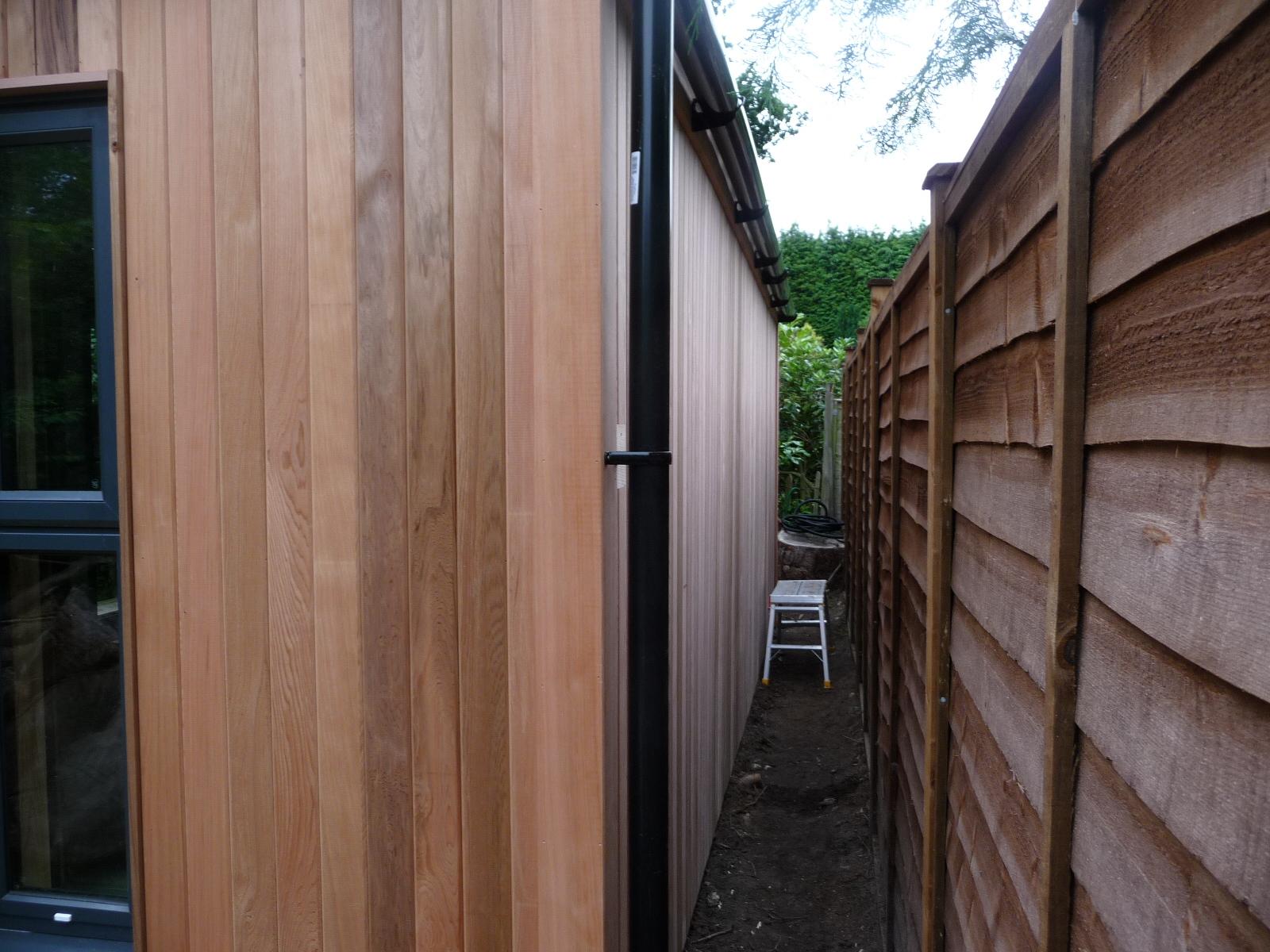
Why Boundary Rules Matter
One of the most common questions UK homeowners ask when planning a garden room is: How close can it be to the fence or boundary? It's a critical consideration that affects not only the legal compliance of your project but also its design, usability, and your relationship with neighbours. With the rise in popularity of garden rooms for home offices, gyms, studios, and guest spaces, understanding the boundary rules can save you time, money, and potential disputes.
In this comprehensive guide, we break down the UK regulations on garden room proximity to boundaries, what exceptions apply, how building height factors in, and what to consider from a practical and neighbourly perspective.
General Rule Under Permitted Development
In the UK, many garden rooms can be built without full planning permission under Permitted Development (PD) rules. These allow homeowners to add certain types of structures to their property without needing to apply formally for planning consent—as long as specific conditions are met.
One of the most important conditions is related to the distance from the boundary. Under PD:
-
If the garden room is located within 2 metres of any boundary, the maximum overall height must not exceed 2.5 metres.
-
If the structure is taller than 2.5 metres, it must be at least 2 metres away from the boundary.
This rule is designed to minimise the impact of outbuildings on neighbours and reduce disputes. If your garden room design is over 2.5m in height (for example, with a pitched roof or vaulted ceiling), it will need to be set back by at least 2m unless you obtain planning permission.
What Is Considered a Boundary?
In most cases, the boundary is the legal perimeter of your property—the edge where your land meets your neighbour's. It is often (but not always) marked by a:
-
Fence
-
Wall
-
Hedge
-
Fence post line
If you are unsure exactly where your boundary lies, it is wise to check your title deeds or obtain a property boundary map through the Land Registry. Keep in mind that boundary lines can sometimes be contested or unclear, so accurate documentation is essential.
How to Measure Distance from the Boundary
Distance is measured from the nearest point of the garden room to the boundary line, not just to the fence. This includes:
-
The edge of the roof overhang or guttering
-
Any protruding base or deck structure
-
Walls and any eaves
If your garden room has a roof overhang of 200mm, and you're trying to comply with the 2m rule, the measurement must start from the furthest protruding part, not just the wall.
Height Limits and Their Impact on Proximity
Permitted Development guidelines provide maximum height allowances based on distance to the boundary:
-
Up to 2.5m in height: Can be built anywhere in the garden, including right up to the boundary.
-
Over 2.5m up to 3m with flat roof: Must be more than 2m from the boundary.
-
Over 2.5m up to 4m with a dual-pitched roof: Must be more than 2m from the boundary.
If you want a tall garden room with vaulted ceilings, high glazing, or loft storage, you’ll likely need to allow for that 2m setback or apply for planning permission to override PD limits.
Building Materials and Fire Regulations
Even if your garden room falls within the correct height and distance rules under PD, Building Regulations may still come into play depending on the materials and use of the building.
For any structure within 1 metre of the boundary, the external walls should be constructed with non-combustible materials to comply with fire safety rules. For instance:
-
Cladding made from cement board or fire-treated timber may be acceptable
-
Timber walls closer than 1m to the boundary may require special approval
Fire-resistant design is essential not only for legal compliance but for the safety of both your property and your neighbour’s.
Planning Permission and Exceptions
You’ll need to apply for planning permission if:
-
The building exceeds the height limitations within 2m of the boundary
-
It is intended for residential accommodation or sleeping
-
You live in a conservation area, AONB, national park, or listed building
-
Your local council has removed PD rights via an Article 4 Direction
If your desired garden room does not meet PD criteria for proximity and height, submitting a planning application can still lead to approval—particularly if the room doesn’t impact neighbours’ light or privacy.
The Role of Eaves and Roof Overhangs
PD rules also specify:
-
Eaves height must not exceed 2.5m regardless of roof style
-
Roof overhangs (soffits, fascias, gutters) count toward boundary proximity
This is important if you're designing a garden room with wide eaves for aesthetic or weather protection. Keep the overhangs in check to maintain compliance or increase the set-back distance accordingly.
Neighbourly Considerations and Disputes
Even if your garden room complies with regulations, it’s wise to consider how your neighbours may feel. A structure too close to the boundary may cause:
-
Loss of light or views
-
Restricted maintenance access to fences or hedges
-
Perceived encroachment or overbearing appearance
You are not legally required to notify neighbours under PD, but giving them a heads-up—and even showing plans—can help prevent objections or future disputes.
Legal Access and Maintenance Gaps
Building right up to the fence might save space but can create practical issues later. Questions to ask:
-
Can you access the rear or side for painting, maintenance, or repairs?
-
Will guttering drain onto your land or into your neighbour’s?
-
Are you blocking shared access routes or rights of way?
Leaving a small maintenance gap (at least 500mm to 1m) is often a practical solution that avoids future headaches.
Garden Room Use and Its Effect on Boundary Proximity
The intended use of the space may influence whether the proximity to the boundary is acceptable. For example:
-
A storage shed or occasional-use garden room is unlikely to raise concerns
-
A home office with windows facing directly into a neighbour’s garden may provoke complaints
-
A guest room or Airbnb unit close to the boundary will likely require planning consent and attract scrutiny
Use type, visual impact, and privacy should all be factored into proximity decisions.
Best Practices for Close-to-Boundary Builds
If you're planning to build close to or on the boundary:
-
Use non-combustible external finishes
-
Install opaque or high-level windows to protect privacy
-
Leave space for drainage and rainwater runoff
-
Avoid external lighting that spills into neighbouring property
-
Include sound insulation if the structure will be used intensively
The more considerate your build, the less likely it is to encounter objections or cause issues in the future.
Get Advice from Professionals
Reputable garden room companies are well-versed in proximity rules and will:
-
Conduct a site survey to check boundary lines
-
Advise on design adjustments to stay within PD limits
-
Help secure planning permission if needed
-
Use materials and construction methods that comply with Building Regulations
A good builder will also help prepare documents if you wish to apply for a Lawful Development Certificate for peace of mind.
Conclusion: Plan Smart, Build Right
So, how close can a garden room be to your fence or boundary? Under Permitted Development, as close as you like—provided the building is no taller than 2.5 metres. For anything taller, you must maintain a minimum distance of 2 metres from the boundary. Building regulations, fire safety, and neighbourly concerns add further layers of consideration.
Always begin your project by checking PD criteria, measuring carefully from your boundary line (not the fence), and working with experienced professionals. With the right planning, you can create a garden room that is not only compliant and functional but a long-term asset to your property.