
How Secure Is a Garden Room for Storage or Work Equipment?
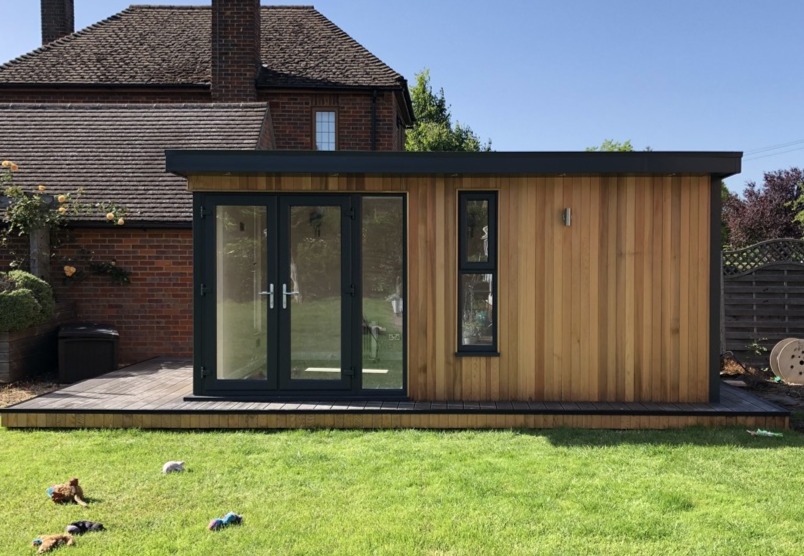
For many homeowners, a garden room is more than a space to relax — it’s a place to create, work, store, or even run a business. Whether it’s housing sensitive work equipment, valuable tools, or high-end technology, the question naturally arises: How secure is a garden room?
Security is one of the most frequently asked questions from prospective clients exploring the idea of a premium garden room. And it’s an important one. When done right, a garden room can be every bit as secure as a room within your main home. In this comprehensive guide, we take a close look at how to ensure your garden room offers robust protection for whatever you plan to store inside.
Why Security Matters in a Garden Room
From high-spec office setups to professional-grade gym equipment or photography gear, garden rooms are increasingly used to house items of significant value. As such, they must offer more than just style and comfort — they must be built to protect.
Beyond theft, there are other risks to consider: environmental exposure, weather damage, and the physical wear and tear that comes from improper insulation or subpar construction. A secure garden room addresses all of these challenges, providing peace of mind and practical resilience.
What Are You Protecting? Understanding Risk Profiles
Before we look at the specifics of construction and features, it's worth identifying what type of equipment or assets you might be storing — and their relative security requirements:
- Creative equipment: Cameras, sound systems, lighting rigs, musical instruments
- Trade tools: Power tools, gardening equipment, machinery
- IT and office: Computers, servers, hard drives, confidential documents
- Health and fitness: Home gym gear, recovery devices, Pilates machines
- Personal storage: Wine collections, fine art, archives
Each of these categories comes with its own security considerations, but the common goal is simple: keep it protected, all year round.
Core Construction: The Foundation of Garden Room Security
A secure garden room starts with how it’s built. When selecting a supplier or designer, ask about these foundational elements:
- Structural Integrity
Robust walls, roof, and flooring not only support longevity — they provide the first line of defence against intruders. Look for:
- Pressure-treated timber frames
- SIP (Structurally Insulated Panel) systems
- Reinforced cladding options, such as composite or aluminium
- Anti-lift roof systems to prevent break-in attempts from above
- Premium Doors and Windows
Most garden room break-ins happen through poor-quality entry points. That’s why doors and windows are key to overall security:
- Aluminium or composite doors with multi-point locking systems
- Toughened double or triple glazing
- Laminated or security glass (harder to break, with a plastic interlayer)
- Internal beading to prevent glass being removed from the outside
Bi-fold or sliding doors can be highly secure too — if specified correctly. Look for models with PAS 24 certification and secure by design credentials.
- Anchoring and Fixings
All fixtures and fittings — from the hinges on the door to the fixings in the structure — must be heavy-duty and installed by professionals. This is particularly important for sheds or cabins that are being upgraded into storage solutions.
Integrated Security Features
Modern garden rooms can be enhanced with smart security features that rival — or even exceed — what many homes currently use. Key components include:
- Alarm Systems
Wireless intruder alarms with door and window sensors are easy to install and integrate into wider home security networks. Many systems are also pet-friendly and offer custom alerts. - CCTV and Monitoring
Outdoor security cameras with motion sensors, night vision, and remote access are fast becoming standard. For high-value storage, consider 24/7 cloud recording or integration with your existing CCTV system. - Smart Access Control
Digital locks, fingerprint entry systems, and smartphone-controlled access can reduce the risk of lost keys or unauthorised entry. They're also ideal for professionals renting the space out or allowing client access. - Lighting Design
Motion-activated exterior lights deter unwanted attention and add a polished, high-end finish. For more discreet properties, low-glow perimeter lighting can also enhance safety without drawing attention. - Internal Safes or Lockers
For extremely high-value items (such as media hard drives, confidential files, or collectible items), a lockable cabinet or floor-mounted safe adds another layer of protection.
Perimeter Security: Thinking Beyond the Building Itself
Your garden room’s security is only as strong as its setting. That’s why we encourage clients to consider the wider garden environment as part of the security strategy.
- Fencing and Gates
Solid, well-maintained fencing not only defines the boundary but creates a physical deterrent. Consider:
- Trellis toppers (to discourage climbing)
- Lockable side gates
- Gravel pathways (which alert homeowners to movement)
- Visibility and Sightlines
A balance between privacy and visibility is essential. Too exposed and your room may become a target; too hidden and it may offer intruders cover. Well-placed plants, lighting, and paths can provide natural surveillance without compromising aesthetics. - Garden Access Points
Think about how someone might approach your garden room. Are side paths, alleys, or back lanes secured? Consider adding:
- Locked bollards or barriers
- Anti-climb spikes or defensive planting
- Security signage
Security for Business Use: Legal and Insurance Implications
If your garden room is used as a home office, studio, or therapy space where client information or assets are stored, you may have additional legal obligations — especially around GDPR and business insurance.
Key considerations include:
- Data Protection: For confidential paperwork or IT hardware, physical access control is essential. Lockable storage, shredders, and secure Wi-Fi are key.
- Business Insurance: Ensure your garden room is listed on your policy. Specialist insurance providers can offer bespoke coverage for work-from-home scenarios.
- Liability Protection: If clients visit the space, you may need public liability insurance. A safe, well-lit, and secure room reduces risks significantly.
Does a Garden Room Count as a Secure Place for Insurance Purposes?
This depends on your insurer — but increasingly, the answer is yes, provided the build meets certain standards. To qualify:
- The room must be locked when not in use
- Doors and windows must meet modern security standards (e.g. BS3621 locks)
- Items over a certain value may need to be declared separately
- Alarms or additional security measures may be required for high-value contents
We recommend speaking to your provider and getting written confirmation of coverage terms before investing in expensive equipment.
Year-Round Security: Weather, Moisture and Environmental Control
Security isn’t just about keeping people out — it’s also about protecting valuable assets from environmental damage.
- Temperature Regulation
Insulation, ventilation, and heating help prevent issues like condensation, warping, or overheating — particularly important for:
- Electronics
- Musical instruments
- Art or design materials
- Moisture Barriers
Damp-proof membranes beneath the floor, breathable membranes in walls, and ventilation grills help maintain a dry interior. This prevents mould, rust, or material breakdown. - UV Protection
For rooms with large windows or skylights, consider UV-filtering glass or blinds to protect sensitive items from fading or damage.
Tailoring Security to Your Use Case
Scenario 1: Garden Room Office with IT Equipment
- Reinforced door with multi-point lock
- PIR-activated lighting
- Remote CCTV access
- Encrypted Wi-Fi and surge-protected power
- Lockable filing cabinets and secure backup drives
Scenario 2: Garden Gym with Premium Equipment
- CCTV with smartphone alerts
- Hidden exterior motion lighting
- Thermally efficient glazing
- Anchor points for weights and machines
- Zoned alarm system
Scenario 3: Storage for Tools or Inventory
- Solid steel doors and limited glazing
- Vented, insulated shell to avoid condensation
- Reinforced anchor chains and floor fixings
- Separate internal safe or storage locker
- Gravel path or lighting to alert of movement
Common Security Mistakes to Avoid
Even a well-built garden room can fall short if the following aren’t considered:
- Leaving the space visible from the road or neighbouring gardens
- Using shed-grade locks or off-the-shelf doors
- Underestimating the value of items stored
- Forgetting to add the garden room to your home insurance
- Relying on the garden gate as your only form of external security
Futureproofing Your Garden Room Security
As smart home technology evolves, so do the possibilities for garden room security. Looking ahead:
- AI-powered CCTV: Differentiates between animals, humans, and vehicles
- Biometric entry systems: Secure access using fingerprints or facial recognition
- Smart glass: Switchable privacy glass that goes opaque at night
- Integrated automation: One-touch controls for lights, blinds, locks, and alarms
- Battery backups: Keeping key systems online during power outages
These systems aren’t just functional — they’re also impressive to prospective buyers, making your garden room a futureproof selling point.
Conclusion: A Secure Investment with the Right Approach
A garden room can be an incredibly secure space — one that rivals or exceeds a room in your main home. But security isn’t a single feature — it’s a combination of thoughtful design, premium materials, expert installation, and intelligent technology.
Whether you’re protecting trade equipment, sensitive work materials, or personal investments, a professionally specified garden room can give you the peace of mind you need. More than that, it shows that luxury doesn’t mean compromising on safety — it means elevating every detail.
If you’re planning a garden room for professional or high-value use, speak to a specialist who understands your lifestyle, your needs, and your property. When built with care, your garden room isn’t just an extra space — it’s a secure asset for years to come.