
How to Add a Kitchen or Bar to Your Luxury Garden Room
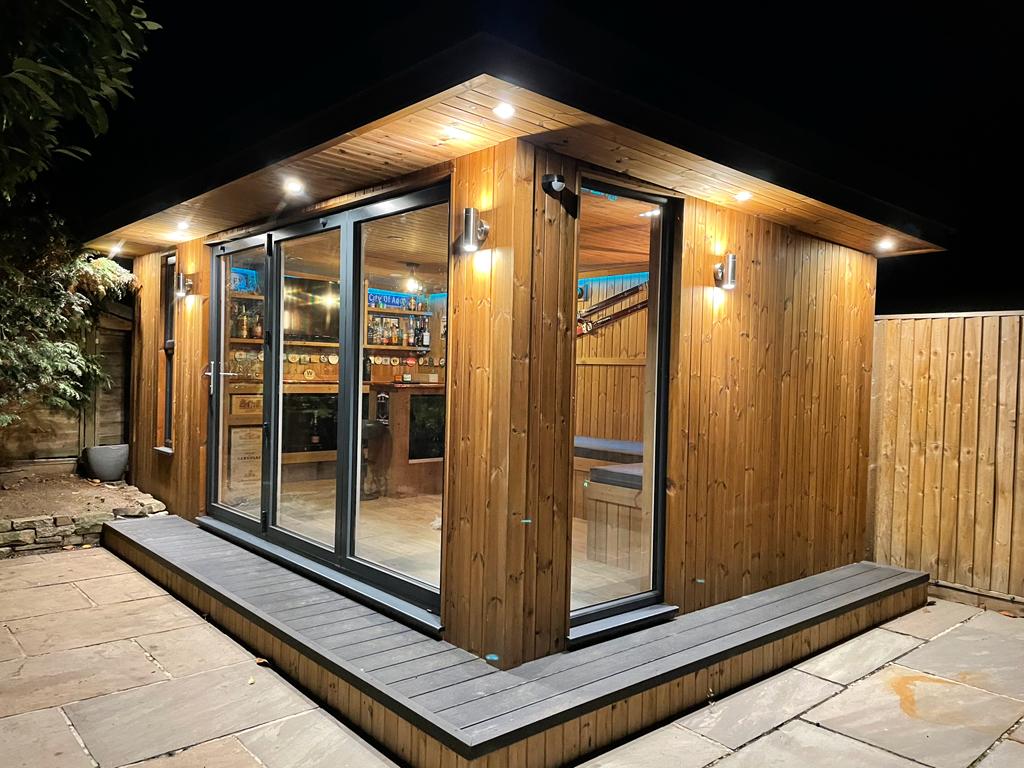
As luxury garden rooms become increasingly versatile—from home offices to guest suites, creative studios to home gyms—one feature is gaining popularity above all others: the inclusion of a kitchenette or bar area. Whether it’s a stylish cocktail bar for entertaining, a compact kitchen for an annex, or a coffee station for a tranquil retreat, adding a food-and-drink facility elevates your garden room into a fully self-contained living space. But as with any integrated feature, there are design, plumbing, electrical, ventilation, and regulatory considerations to factor in. In this comprehensive guide, we explore exactly how to plan, design, and build a luxury kitchen or bar in your garden room, what challenges to anticipate, and how to ensure it blends seamlessly with the overall design and function of your space.
Why Add a Kitchen or Bar to Your Garden Room?
Incorporating a kitchen or bar into your garden room isn’t just about convenience—it’s about unlocking a broader range of uses for the space. A kitchenette allows a garden room to function as a guest suite, Airbnb rental, teenager hangout, or even a granny annex. A bespoke bar area adds wow factor to a party room, man cave, or outdoor entertainment lounge, while a tea or coffee station enhances the calm of a wellness retreat or studio. More importantly, a kitchen or bar significantly increases the usability of the space—especially in winter or evenings when constant trips back to the house become inconvenient. With a dedicated area to prepare food and drinks, your garden room becomes more than an occasional escape; it becomes a truly habitable extension of your home.
Start With Purpose and Layout
Before you dive into tiles and taps, consider how you’ll use the space. Is it a full annex for overnight stays, or a part-time entertainment zone? Your intended use will shape every decision, from the size of the kitchen to the type of appliances. For example: A fully equipped kitchenette for guests or rentals needs a sink, hob, fridge, storage, extractor, and possibly a microwave or combi oven. A coffee and wine station might only require a sink, wine fridge, and counter space. A bar area for hosting needs display shelving, under-counter chillers, lighting effects, and mood-enhancing materials like timber, stone, or brushed metal. Once the purpose is clear, map out the room’s layout. Use zones: prep, serve, store, clean. Ensure there’s flow—enough space to move between appliances, open doors, and accommodate guests.
Plumbing and Waste Considerations
If your garden room includes a sink, it needs both a clean water supply and wastewater removal. This isn’t plug-and-play—installing plumbing in a detached structure requires groundwork, trenching, and building regulation compliance. Clean water is typically supplied via a trench-dug MDPE pipe (blue plastic pipe) connected to the house’s main water supply. This may need to be lagged for insulation and include a stopcock. Wastewater from sinks must be routed back to a foul drain or sewer. This often means installing a macerator pump (e.g., Saniflo), which allows waste to be pumped uphill or over long distances using small-diameter pipe. In higher-end builds, especially if you're adding a bathroom as well, a full drainage system with manholes and vents might be installed. Budget-wise, expect to pay £2,000 to £5,000 for water and waste trenching and installation, depending on distance and ground conditions.
Electrical and Appliance Integration
Kitchens and bars add significant electrical load. You’ll need a certified electrician to install: Dedicated circuits for appliances like fridges, hobs, and combi ovens. Switches, sockets, USB ports, and under-cabinet lighting. RCD-protected consumer unit compliant with Part P. If you’re using high-power appliances like induction hobs or under-counter dishwashers, make sure the garden room’s armoured cable from the house is rated appropriately. If you’re also including heating, air conditioning, or AV systems, your power draw adds up quickly. Speak to your installer early about load balancing. On a design level, use discreet sockets that blend into splashbacks or cabinetry. Consider pop-up sockets in islands or bars for a clean look.
Ventilation and Extraction
Any food prep area needs ventilation, especially if you're installing a hob or oven. The simplest option is a ductless extractor with charcoal filters, which recirculates air. However, for better air quality and reduced condensation, opt for a ducted extractor that vents outside—especially in smaller rooms. This may require planning duct routes during the build phase. For bar-only spaces or coffee stations, passive ventilation (like trickle vents) and a small wall extractor fan may be sufficient. In garden rooms with bathrooms, an integrated mechanical ventilation system can manage moisture and airflow across both zones.
Cabinetry and Worktops: Go Bespoke or Modular?
You can choose between off-the-shelf kitchen units or bespoke joinery to match your garden room's style. Modular kitchenettes from companies like Howdens or IKEA work well for compact setups, especially if budget-conscious. Look for base units without wall cupboards to maintain the airy feel of a garden space. For premium spaces, custom joinery is the way to go. It allows you to tailor the bar or kitchen to awkward wall sizes, sloping ceilings, or mixed-use zones. Material-wise, choose moisture-resistant MDF carcasses, solid wood or laminate doors, and stone, quartz, or durable composite worktops. Avoid cheap melamine or chipboard in rooms that experience temperature fluctuations.
Lighting Design
Lighting makes or breaks a kitchen or bar. Combine task lighting (under-cabinet strips, pendants over islands) with ambient lighting (LED uplights, plinth lights, and mood zones). For bars, consider RGB LED strips that change colour, creating a nightclub or cocktail-lounge effect. Smart lighting with app or voice control adds convenience, especially when entertaining. Use warm white lighting (2700K–3000K) for relaxing bars, and cooler white (4000K) for worktop areas. Position switches thoughtfully—entry switches for general lights, and hidden or dimmable options for bars and decorative features.
Heating and Comfort
Kitchens generate heat, but a well-insulated garden room should still include temperature control. Underfloor heating is popular for rooms with hard flooring. Split air conditioning units provide efficient heating and cooling year-round. Avoid wall-mounted convector heaters—they’re bulky and dated. Consider ventilation-assisted heating, where warm air is circulated through a mechanical system. Also, ensure plumbing is lagged and protected from winter frost—frozen pipes can ruin cabinetry and cause serious water damage.
Design Ideas for Different Styles
Minimalist Kitchenette: Flush handleless units, white or grey palette, compact fridge drawer, integrated microwave, push-to-open doors, and quartz worktop. Ideal for creative studios or guest annexes.
Rustic Coffee Nook: Reclaimed timber shelves, Belfast sink, copper tap, matte green cabinetry, and butcher block worktop. Perfect for garden retreats or therapy rooms.
Contemporary Bar: Gloss cabinetry, smoked-glass shelving, integrated wine cooler, LED-lit bottle display, black composite sink, and floating bar stools. Ideal for entertainment spaces.
Industrial-Chic Cocktail Station: Exposed brick, matte black steel units, zinc or concrete worktop, pipework shelving, and Edison bulb lighting. Works beautifully in a games room or man cave.
Scandinavian Multi-Use Kitchen: Pale oak fronts, neutral tones, hidden appliances, clean lines, and natural materials. Great for multi-purpose annexes or minimalist homes.
Storage and Utility Planning
Maximise every inch of space with pull-out drawers, corner units, and tall larders. Use open shelving for drinks, glassware, and décor, but keep cooking or cleaning supplies hidden. Include at least one deep drawer for pots or bar tools. Think about waste bins—integrated recycling bins keep the space tidy. For guest setups, include a compact wardrobe or linen cupboard nearby.
Regulatory and Planning Requirements
Adding plumbing, fixed appliances, and permanent facilities may push your garden room beyond permitted development limits. You may need:
Planning permission for structures with bathrooms, kitchenettes, or sleeping accommodation.
Building control approval to ensure insulation, drainage, ventilation, and fire safety meet standards.
Electrical certification (Part P) for all circuits and consumer unit upgrades.
Gas Safe certification if you install a boiler or gas hob (rare in garden rooms, but possible in annexes).
Always consult with your builder or architect at the planning stage. A good garden room company will guide you through permissions and ensure your structure is legally compliant.
Budget Breakdown
Here’s a rough cost range for installing a kitchen or bar in a luxury garden room:
Basic kitchenette with sink, fridge, and storage: £3,000–£5,000
Mid-range bar with wine fridge, lighting, and joinery: £6,000–£9,000
High-end kitchenette with full plumbing, oven, extractor, and bespoke cabinetry: £10,000–£15,000+
Add to this:
Water + waste trenching: £2,000–£5,000
Electrical upgrades: £1,500–£3,000
Ventilation systems: £500–£2,000
Insurance and Safety Considerations
If your garden room includes plumbing and appliances, notify your home insurer. It may increase the building's value and risk profile. Ask if your contents insurance covers high-end items in outbuildings. Install smoke or heat detectors, check waterproofing around appliances, and ensure ventilation meets regulations to avoid fire or damp risks. For Airbnb or rentals, consider landlord or short-term let insurance.
Conclusion: A Tasteful Upgrade with Real Value
Adding a kitchen or bar to your luxury garden room transforms it from a part-time space into a full-service lifestyle zone. It boosts usability, comfort, and long-term property value—while expanding the ways your garden room can function for guests, work, and play. With the right planning, materials, and professional support, it’s entirely possible to build a stunning, fully functional food-and-drink space that looks as good as any modern kitchen inside your main home. Whether you're stirring cocktails under mood lighting or making Sunday brunch in a serene guest suite, the right kitchen or bar setup ensures your garden room is always the heart of the action—even when it’s at the far end of the lawn.