
How to Add EV Charging to Your Garden Room Setup
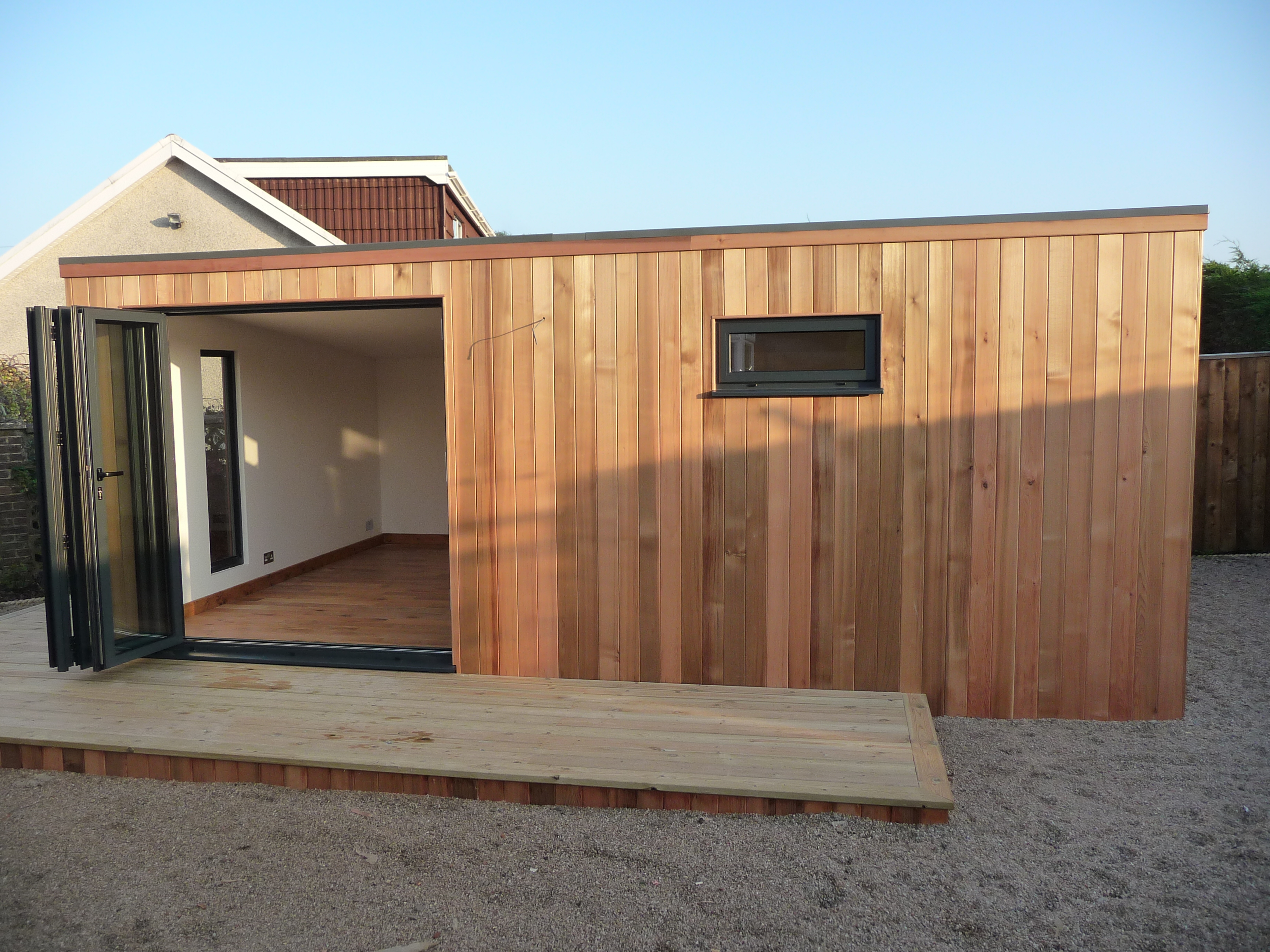
As electric vehicles (EVs) continue to grow in popularity across the UK, homeowners are looking for convenient, future-proof ways to integrate EV charging into their properties. One increasingly popular approach is to combine EV charging infrastructure with a garden room setup. Whether your garden room serves as a home office, gym, studio, or guest accommodation, having an EV charging point nearby adds practicality, value, and environmental benefits. But how do you go about integrating EV charging into your garden room project? What are the technical, regulatory, and design considerations? And is it worth doing even if you don't yet own an electric vehicle? In this detailed guide, we’ll walk you through every aspect of adding EV charging to your garden room setup—from planning and installation to smart features and futureproofing.
Why Combine EV Charging With a Garden Room?
If you’re already investing in a garden room, it’s the perfect opportunity to think about broader enhancements to your property’s utility and function. Installing an EV charger at the same time as your garden room build offers several advantages. First, it streamlines the process—you’ll already have qualified electricians on-site, so extending the specification to include an EV charging point is relatively straightforward. Second, it futureproofs your property. Even if you don’t own an EV now, adding a charger prepares your home for the inevitable shift toward electric transport. Third, it enhances the resale value of your property. As EVs become standard, homes with integrated charging infrastructure will become increasingly attractive to buyers.
Is It Technically Feasible?
The short answer is yes. Whether your garden room is near your driveway or further back in the garden, it is possible to integrate an EV charging point. However, a few technical elements need to be assessed early in the planning process. One of the first factors is power supply. EV chargers typically require a dedicated circuit and a higher load capacity than standard sockets. Your electrician will need to evaluate your main consumer unit (fuse board) to determine whether it can accommodate the additional load of an EV charger. You’ll also need to ensure that a suitably rated cable can be run from the main fuse board to the garden room. This is often laid in the ground during the early stages of your garden room construction.
Cable Routing and Trenching
If your garden room is close to your driveway or parking area, routing a dedicated cable for an EV charger is fairly straightforward. In many cases, the cable is run underground in a trench from your main house consumer unit to the garden room. If you’re already installing power and data cables to your garden building, the EV cable can often be routed at the same time, saving cost and minimising disruption. For longer distances, proper cable selection becomes crucial. A qualified electrician will calculate voltage drop and recommend armoured cable (usually SWA - Steel Wired Armoured) to protect against physical damage and environmental wear.
Charger Positioning and Weatherproofing
Your EV charger needs to be installed in a location that’s practical for day-to-day use. For example, if your car is usually parked in a specific spot on the drive, the charger should be placed on the garden room wall that faces that side—or on a nearby freestanding post. If the garden room is situated further from the drive, you can opt to mount the charger on a stand-alone pedestal at the edge of the garden, connected via the garden room's supply. All EV chargers installed outdoors must be IP-rated for water resistance and UV stability. Look for models rated IP65 or higher and ensure the installation includes surge protection and cable strain relief.
Types of EV Chargers: Tethered vs Untethered
When selecting an EV charger, you’ll typically choose between two main types: tethered and untethered. A tethered charger has a built-in cable (usually 5m to 7.5m long), which is always attached to the unit. This is convenient for quick plug-and-go charging but can look slightly messier. An untethered charger has no fixed cable—just a socket—so you use your own charging cable each time. It offers a cleaner look and more flexibility, especially if multiple users have different cable types (Type 1 vs Type 2 connectors). Both types can be wall-mounted to your garden room or installed on a post.
Charging Speeds: 3.6kW, 7.2kW and 22kW
Most UK homeowners opt for either a 3.6kW or 7.2kW charger, depending on their domestic electricity supply. A 3.6kW charger is slower but easier to install and uses less power, making it suitable for overnight charging. A 7.2kW charger offers faster charging—adding roughly 30 miles of range per hour—but requires a 32-amp circuit and often a load-balancing system if your property has multiple power-hungry systems. A 22kW charger offers ultra-fast home charging but is only compatible with three-phase electricity supplies, which most UK homes do not have. For garden room installations, 7.2kW is the typical sweet spot—fast enough for daily EV use while remaining compatible with standard domestic systems.
Smart Features and Integration
Modern EV chargers come equipped with smart features that make charging safer, cheaper, and more convenient. Many models offer WiFi or Bluetooth connectivity, allowing you to:
-
Schedule charging sessions during off-peak energy tariff times
-
Monitor energy use via smartphone apps
-
Integrate with solar PV systems to use free electricity
-
Control access for multiple users (ideal for holiday lets or business use)
Integrating a smart EV charger into your garden room setup can turn the entire structure into an intelligent energy hub—especially when paired with solar panels, battery storage, or home automation systems.
Permissions, Regulations, and Part P
EV charger installation is governed by electrical safety regulations. In the UK, it must comply with Part P of the Building Regulations and be completed by a qualified electrician registered with a Competent Person Scheme. Your installer will issue a certificate to confirm compliance, and you may need to notify your local Distribution Network Operator (DNO), especially for 7.2kW or higher chargers. If your garden room is installed under permitted development, adding an EV charger usually doesn't affect that status—but check with your provider if the charger is to be mounted on a post or if external cabling alters visual appearance.
Cost Breakdown and Financial Planning
Adding an EV charger to your garden room installation will add approximately £800–£1,500 to your total project cost, depending on:
-
Charger model and features
-
Distance from consumer unit (affecting cable length)
-
Complexity of the installation
-
Trenching or landscaping requirements
Government grants, such as the OZEV Electric Vehicle Homecharge Scheme (for landlords, flats, or business properties), may help reduce costs. Be sure to check eligibility during planning.
Installing With a New Garden Room vs Retrofitting
Adding an EV charger during your garden room build is significantly more cost-effective than retrofitting later. During the build, groundworks and cable runs can be completed efficiently without disrupting finished landscaping or paving. The electrician working on your garden room can plan both circuits together, saving on labour and materials. Retrofitting, on the other hand, may require re-digging trenches, adjusting consumer units, and risking cosmetic damage to existing finishes. If you think you might want EV charging in the future—even if not right away—consider laying a cable duct or conduit during the build to keep your options open.
Solar Charging: An Eco-Friendly Bonus
If your garden room includes a solar PV array on the roof or nearby, you can power your EV charger with solar electricity—dramatically reducing running costs and your carbon footprint. Some smart EV chargers can even be programmed to prioritise solar energy and only charge when excess generation is available. This setup requires coordination between your solar installer and your electrician, but the result is a truly green energy system that powers both your car and your lifestyle.
Use Cases: Who Benefits Most?
Garden room setups with EV charging are especially beneficial for:
-
Home office workers who use the garden room as a main workspace and want a convenient charger nearby
-
Airbnb or guest accommodation setups where visitors can benefit from EV charging
-
Outdoor studios or clinics where clients may want to plug in during appointments
-
Families with multiple vehicles who want additional charging options
Tips for a Seamless EV Charger Installation
-
Plan early: Discuss your EV charger requirements with your garden room provider before finalising designs.
-
Use certified electricians: Ensure Part P compliance and proper certification.
-
Choose the right location: Think about daily use, cable reach, and weather protection.
-
Add smart features: Look for app control, solar integration, and future compatibility.
-
Keep documentation: Store warranty, certification, and spec sheets for insurance and future sale.
Final Thoughts
Adding EV charging to your garden room setup is a smart, practical, and future-proof decision. It not only increases the functionality of your garden building but also enhances your property’s value and appeal. Whether you already own an electric vehicle or are planning to make the switch in the coming years, integrating a charger during the build phase is efficient, cost-effective, and increasingly essential. At a time when sustainable living and smart home upgrades are more important than ever, combining a high-spec garden room with EV charging demonstrates forward-thinking design and lifestyle planning.