
How to Add Privacy Around Your Garden Room With Planting
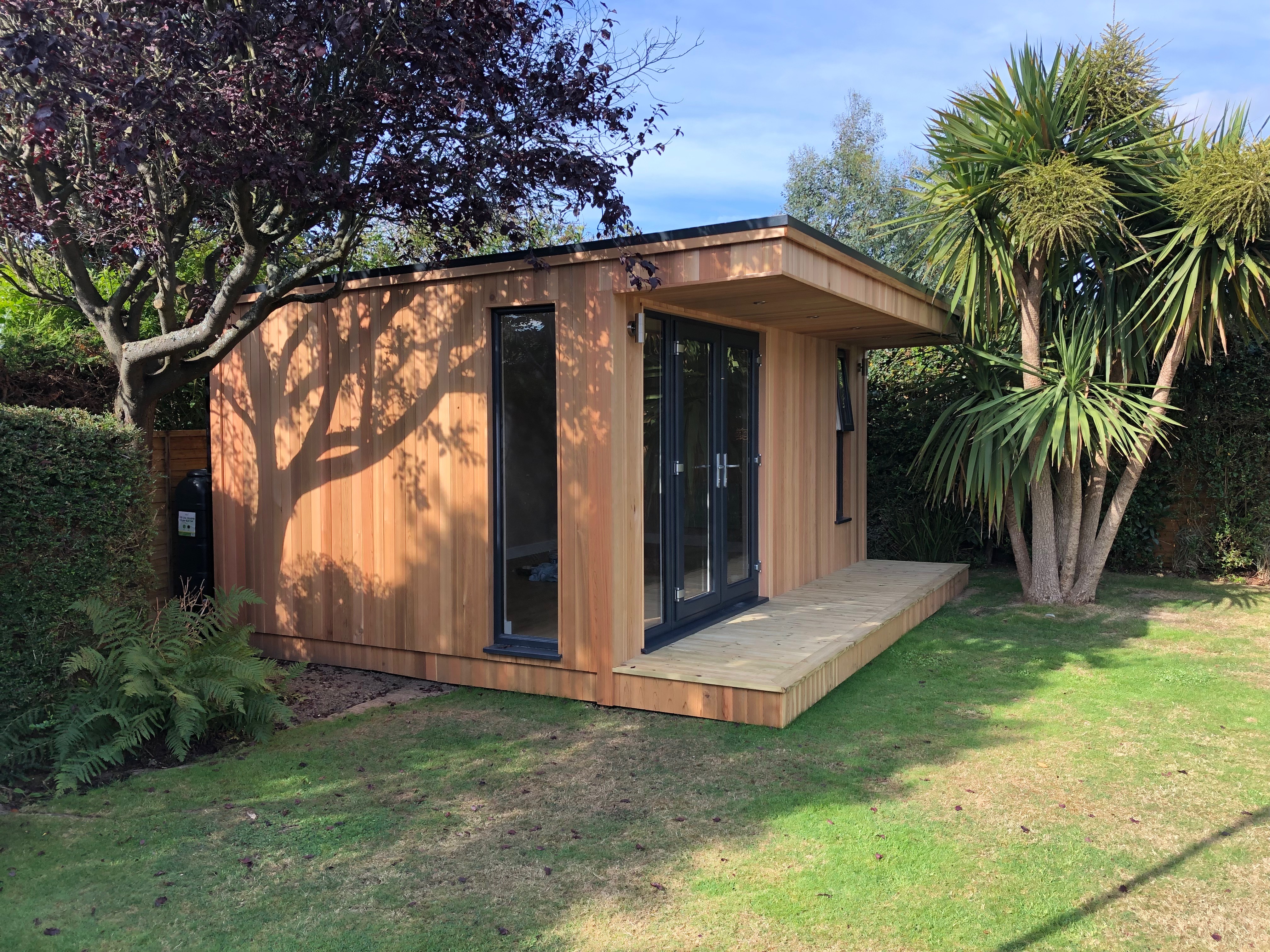
Garden rooms are fast becoming one of the most desirable home additions in the UK. Whether used as an office, gym, studio, guest space, or simply a personal retreat, these stylish outbuildings offer a unique way to extend your living space without a full-scale extension. However, with glass doors, open access, and often minimal separation from the rest of the garden, privacy can become a key concern. Fortunately, planting is one of the most effective, natural, and beautiful ways to create a sense of seclusion around your garden room. In this in-depth guide, we’ll explore how to use hedging, trees, shrubs, vertical gardens, and other landscaping techniques to add both privacy and personality to your outdoor haven.
Why Planting is the Ideal Privacy Solution
Unlike fences or walls, planting offers a softer, more organic form of screening. Plants provide movement, texture, colour, and seasonal interest while blending seamlessly into your garden design. They can also help buffer noise, provide shade, encourage wildlife, and enhance the overall aesthetic of your garden. Most importantly, a well-planned planting scheme adds layers of privacy without making the space feel boxed in or claustrophobic. Whether you want full year-round screening or partial shelter with room to breathe, planting can be tailored to suit your garden's size, layout, and sun exposure.
Step 1: Assess Your Garden Room's Location
Before you start digging or purchasing plants, take some time to assess the garden room's position. Where is privacy most needed? Is the room overlooked by neighbours? Can it be seen from the house or street? Do you need to block views from one specific angle, or create an all-round green enclosure? Consider the direction of sunlight too. You don’t want to block all the light and make the garden room gloomy. Knowing the orientation and existing site conditions will help you choose the right plants and position them effectively.
Step 2: Decide on the Level of Privacy You Want
Privacy comes in different forms. Some people want complete visual screening to create a hidden retreat, while others prefer lighter, semi-transparent layers that define the space without fully closing it off. You might want tall hedges along one boundary and lower planting on another. Or a dense evergreen backdrop with lighter ornamental grasses in front. Consider also how much maintenance you're willing to take on. Some privacy hedges grow quickly and require regular trimming, while others are slower but lower maintenance.
Step 3: Choose the Right Screening Plants
Here are some of the most effective plant types and combinations for creating privacy around garden rooms:
Evergreen Hedges
Evergreens are ideal for year-round privacy. They create a consistent screen and often have dense foliage that blocks views and muffles sound.
-
Laurel (Prunus laurocerasus): Fast-growing, lush, and tolerant of most soils. Ideal for creating an instant barrier.
-
Photinia ‘Red Robin’: Offers vibrant red new growth, making it both a screening plant and decorative feature.
-
Portuguese Laurel (Prunus lusitanica): A more refined, dark-leaved alternative with neat growth habits.
-
Yew (Taxus baccata): Slower growing but long-lived and formal. Excellent for shaping.
Deciduous Hedges and Shrubs
These offer less privacy in winter but provide beautiful seasonal variation. Combine with evergreens for layered interest.
-
Hornbeam (Carpinus betulus): Keeps its dead leaves in winter, offering some screening even when bare.
-
Hazel (Corylus avellana): Wildlife-friendly and good for informal settings.
-
Dogwood (Cornus): Offers colourful stems in winter and quick growth.
Bamboo
Fast-growing and ideal for narrow spaces, bamboo creates an exotic, modern look. Choose clump-forming varieties to avoid invasive spread.
-
Fargesia murielae: Non-invasive, hardy, and suitable for screening.
-
Fargesia rufa: Another excellent clumping variety that grows to around 2-3m.
Always install a root barrier when planting bamboo near buildings or paved areas to prevent unwanted spread.
Pleached Trees
Pleached trees are trained on a frame so their canopies form a high screen above eye level. They’re ideal where you want privacy without blocking light or the view of the garden below.
-
Hornbeam
-
Lime
-
Photinia
They work well along boundaries or fences and offer a more architectural look.
Tall Grasses and Perennials
For a softer, seasonal screen, ornamental grasses can create movement and light filtering.
-
Miscanthus sinensis
-
Calamagrostis ‘Karl Foerster’
-
Panicum virgatum (Switchgrass)
Pair with large perennials like Rudbeckia, Echinacea, or Verbena bonariensis for late-summer colour and a naturalistic vibe.
Climbing Plants and Trellises
Climbers are perfect for vertical screening where space is limited. Install trellises, arches, or pergolas around your garden room and let plants do the rest.
-
Clematis: Offers vibrant blooms and seasonal coverage.
-
Wisteria: Dramatic, long-flowering, and fragrant.
-
Trachelospermum jasminoides (Star Jasmine): Evergreen with scented flowers.
-
Honeysuckle (Lonicera): Great for pollinators and cottage-style gardens.
Step 4: Create Layered Planting
The best planting schemes for privacy use a layered approach. Start with a tall hedge or tree layer at the back, add medium-sized shrubs in front, and finish with low-level perennials or grasses. This creates depth, visual interest, and a natural look. You can also use raised beds or planters to add height and definition, particularly if the space around your garden room is limited.
Step 5: Use Containers for Flexible Screening
If you're not ready to commit to in-ground planting, or your garden room is built on a patio or deck, containers offer a flexible alternative. Use large planters with tall grasses, bamboo, or small trees like olive or bay. These can be moved or rearranged as needed and are perfect for renters or temporary solutions. Be sure to choose frost-proof pots and consider weight if placing them on a structure or balcony.
Step 6: Incorporate Vertical Structures
Arches, screens, pergolas, and trellises can be combined with planting to enhance privacy and structure. These elements are particularly useful near entranceways, seating areas, or anywhere you want a defined sense of enclosure. You can also install metal or wooden screens with cut-out designs and allow plants to climb and soften their appearance.
Step 7: Encourage Wildlife and Pollinators
One of the hidden benefits of using planting for privacy is its potential to support biodiversity. Choose native plants, flowering shrubs, and fruiting trees to attract birds, bees, and butterflies. A garden room surrounded by life feels more immersive and connected to nature. Consider leaving a few wild areas, installing a small pond, or using companion planting techniques to promote a healthy garden ecosystem.
Step 8: Think Seasonally
To maintain year-round interest and screening, plan your planting for all seasons. Combine evergreens with spring-flowering bulbs, summer perennials, and autumn foliage. Use structure—such as branches, seed heads, and grasses—that provide winter appeal. This ensures your garden room never feels exposed, even in the coldest months.
Step 9: Lighting and Planting Integration
If you use your garden room in the evening, don’t forget to add lighting to your planted areas. Uplighting trees, backlighting shrubs, or placing solar lanterns among grasses can create dramatic, cosy effects after dark. Lighting also improves safety and makes your garden room feel more like a destination.
Step 10: Plan for Maintenance
Every planting choice comes with maintenance needs. Fast-growing hedges will need frequent trimming, while perennial beds require seasonal cutbacks and weeding. Choose plants that match your gardening style—if you prefer low maintenance, stick to evergreens, mulched beds, and hardy shrubs. If you enjoy regular gardening, you can include a wider variety of plants with staggered bloom times.
Bonus Ideas: Garden Room Green Screens
For the ultimate integration of privacy and architecture, consider a green wall or living screen. These systems can be attached directly to the garden room or installed on freestanding frames. Living walls use a variety of plant pockets or vertical panels and are irrigated with built-in systems. While they can be higher in cost and maintenance, they offer a stunning modern look and serious privacy.
Do’s and Don’ts of Planting for Privacy
Do:
-
Plan for long-term growth. What looks small now might become overbearing in five years.
-
Mix heights and textures for a layered, natural effect.
-
Consider your neighbour’s light and sight lines.
-
Use native or adapted plants suited to your soil and conditions.
-
Leave space around your garden room for maintenance access.
Don’t:
-
Plant invasive species or fast-spreaders near the building.
-
Block all sunlight from the garden room unless necessary.
-
Rely on a single plant for all screening—diversity ensures year-round cover.
-
Forget about roots—deep or aggressive roots can damage foundations or paving.
Final Thoughts
Planting around your garden room is one of the most effective ways to enhance privacy, create a tranquil environment, and increase your enjoyment of the space. Whether you’re after full screening, a gentle green buffer, or a seasonal wildlife haven, there's a planting solution to suit every taste and budget. With careful planning, smart plant choices, and a bit of creativity, you can create a beautifully private oasis that feels like a natural extension of both your home and garden.