
How to Get Strong Wi-Fi and Internet in Your Garden Room
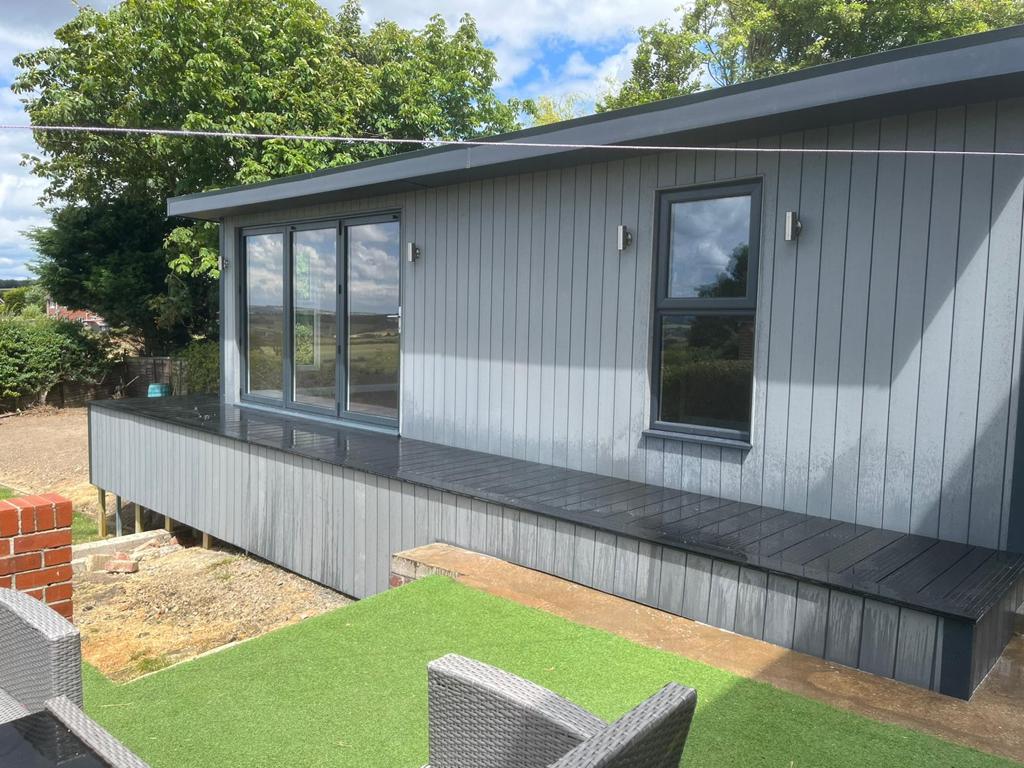
A garden room can be a luxurious retreat, a functional home office, or even a self-contained living space. But whatever its purpose, one thing is clear: reliable, high-speed internet is essential. Whether you're holding video meetings, streaming content, running a smart home system, or simply browsing the web, a strong and stable Wi-Fi connection in your garden room is no longer a luxury—it’s a necessity.
But many homeowners quickly discover that getting reliable internet in a garden room isn’t as simple as plugging in a router. Factors such as distance from the main house, building materials, and interference can degrade or block signals. Fortunately, there are a number of effective solutions available.
In this guide, we’ll explore how to get strong Wi-Fi and internet in your garden room, whether it’s 10 feet or 50 feet from your home. We’ll explain all your options—from budget-friendly DIY setups to professional-grade systems—so you can stay connected wherever you are.
Why Wi-Fi Can Be Weak in Garden Rooms
Before diving into solutions, it’s helpful to understand the problem. Garden rooms are typically located a fair distance from your main router, and several barriers may stand between the two:
- Distance from the House
Most Wi-Fi routers have a limited range—often around 30 to 50 feet indoors, and less when signal passes through walls or windows. A garden room placed further away may simply be out of reach.
- Obstacles and Interference
Walls, trees, fences, metal, and even thick glass can block or weaken Wi-Fi signals. Modern garden rooms often use insulation, foil-backed plasterboard, or aluminum cladding—all of which can drastically reduce wireless signal strength.
- Competing Devices
Your home network might already be serving many devices: smart TVs, phones, laptops, tablets, and smart appliances. Adding more devices in the garden room can strain your Wi-Fi, especially if you’re relying on a weak signal.
The Best Internet Connection Options for Garden Rooms
Let’s break down the most effective methods for getting fast, reliable internet in your garden room, from the simplest to the most advanced.
Option 1: Wi-Fi Range Extenders (Repeaters)
Best for: Short distances, occasional use, light browsing
Wi-Fi extenders, also called repeaters or boosters, are the most basic solution. They receive the existing Wi-Fi signal from your router and rebroadcast it further.
Pros:
- Inexpensive (typically £20–£50)
- Easy to set up
- No cabling required
Cons:
- Often slower than your main Wi-Fi
- Not ideal for streaming or video calls
- Signal drops sharply with distance
Verdict: A range extender may work if your garden room is relatively close to your house (within 10–15 metres) and you only need internet for checking emails or light use. For anything more demanding, you'll need a better solution.
Option 2: Mesh Wi-Fi Systems
Best for: Medium to long distances, high-demand use, multiple devices
Mesh Wi-Fi systems are a modern and more robust solution. They consist of a main router and one or more satellite units that work together to blanket your home and garden in seamless Wi-Fi.
Pros:
- Strong, stable connection over large areas
- Intelligent network routing
- Easy to manage via smartphone app
Cons:
- More expensive (typically £150–£400 for 2–3 units)
- May require one mesh unit to be positioned close to the garden room (perhaps in a nearby window)
Top Brands: Google Nest WiFi, TP-Link Deco, Netgear Orbi
Verdict: A mesh system is ideal for garden rooms located 10–30 metres away, especially if there’s a clear line of sight or you can place a satellite unit close to the garden. For most users, this is the best mix of convenience and performance.
Option 3: Outdoor Access Points
Best for: Long distances, professional or heavy-duty use
An outdoor access point (AP) is a device specifically designed to broadcast Wi-Fi over large areas, even through weather and obstacles. These are often used on farms, campuses, or large properties.
Pros:
- Very strong and directional signal
- Designed for harsh environments
- Excellent speeds and stability
Cons:
- Requires mounting and setup (typically on the exterior of your house)
- Some models require PoE (Power over Ethernet) and technical configuration
Recommended Brands: Ubiquiti UniFi, TP-Link EAP, EnGenius
Verdict: If your garden room is 30–50 metres away or blocked by multiple walls, an outdoor access point is the most reliable wireless solution. It's more technical and expensive than mesh systems but delivers excellent performance.
Option 4: Ethernet Cable (Hardwired Connection)
Best for: Maximum speed, rock-solid reliability
If you want the fastest and most dependable internet in your garden room, running an Ethernet cable directly from your home router to the garden room is unbeatable. You can then install a small switch or a secondary router to distribute the connection via Wi-Fi or additional Ethernet ports.
Pros:
- Fastest possible connection
- No signal loss or interference
- Ideal for streaming, working, and smart devices
Cons:
- Installation required (can involve digging or conduit)
- More expensive and time-consuming
- May require professional help
Tips:
- Use outdoor-grade Cat6 or Cat7 Ethernet cable
- Protect cable in a weatherproof conduit
- Install a surge protector if the garden room is on a separate power circuit
Verdict: If you’re building a garden office or studio that will be used daily, and you want flawless internet, a wired Ethernet connection is the gold standard.
Option 5: Powerline Adapters
Best for: Garden rooms powered by the same electrical circuit as the house
Powerline adapters use your home’s electrical wiring to send data signals between the router and a remote location. Plug one unit near your router and another in the garden room.
Pros:
- Affordable and easy to install
- No digging or new cabling
- Fast enough for most uses
Cons:
- Only works if both sockets are on the same electrical circuit
- Performance depends on quality of electrical wiring
- Signal degrades with distance
Verdict: Powerline adapters are hit-or-miss depending on your home’s wiring setup. If you’re lucky and your garden room shares the same circuit, it’s a great plug-and-play solution.
Additional Tips for Boosting Wi-Fi in Your Garden Room
No matter which method you choose, these strategies can help improve your connection:
- Place Devices Thoughtfully
Wi-Fi signals don’t like walls or metal. Place routers, mesh nodes, or extenders near windows or external walls for better transmission.
- Limit Interference
Keep routers and access points away from microwaves, baby monitors, cordless phones, and large metal objects.
- Use Wi-Fi 6 Equipment
Newer routers and mesh systems using Wi-Fi 6 (802.11ax) offer better range, speed, and device management—especially helpful if you have many smart devices in your garden room.
- Upgrade Your Broadband
If your home internet connection is already slow or overloaded, even the best garden room setup won’t help. Consider upgrading to fibre broadband or a higher bandwidth package.
Smart Features for Connected Garden Rooms
Once you have a strong internet connection, you can take your garden room to the next level with smart tech:
- Smart lighting and voice-controlled systems
- Security cameras with motion alerts
- Wireless speakers for ambient music
- Smart thermostats for comfort and energy efficiency
- Remote work setups with video conferencing and cloud backup
Whether you’re building a garden office, gym, studio, or chill-out space, a stable internet connection makes everything smarter, smoother, and more enjoyable.
Professional Installation vs. DIY
While many people set up their own Wi-Fi systems with success, consider professional installation if:
- Your garden room is more than 30 metres from the house
- You need high-speed internet for work or streaming
- You want a tidy, concealed cable installation
- You’re not confident with networking
Professional installers can test signal strength, recommend optimal hardware, and future-proof your setup with hidden cabling and weatherproof fittings.
Conclusion
Your garden room deserves more than a flaky Wi-Fi signal. Whether you’re working from home, streaming music, or just browsing the web, there’s a solution that will fit your needs and budget.
From simple plug-in extenders to professional-grade outdoor access points or hardwired Ethernet, you can enjoy strong internet no matter how far your garden room is from the house. Plan carefully, invest in the right technology, and enjoy seamless connectivity in your outdoor haven.
If you're building or upgrading a high-end garden room and want integrated, reliable internet from the start, consider speaking to a specialist installer who can design a custom solution that blends performance with style.
Need help choosing the right tech for your setup? Get in touch—we’re happy to help.