
How to Handle Planning Applications for Garden Rooms
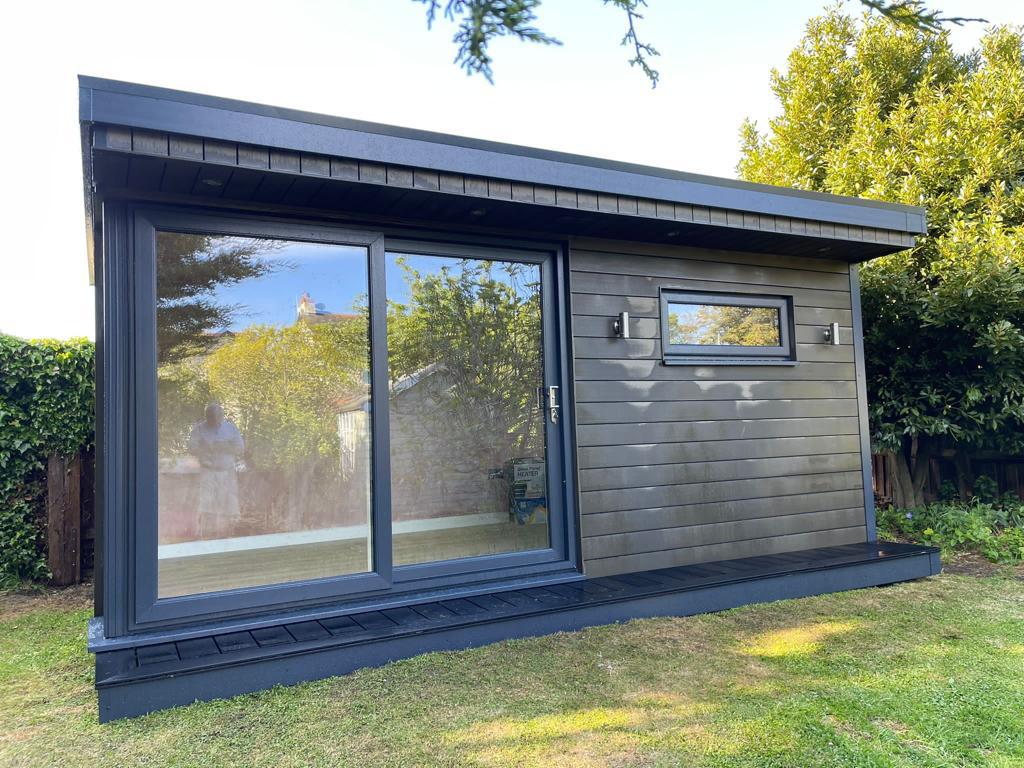
A garden room is one of the most rewarding additions you can make to your home. Whether it becomes a private home office, gym, creative studio, or extra living space, it adds function, beauty, and value. But before the first spade hits the ground, there’s one important question to ask: Do you need planning permission? The good news is that many garden rooms in the UK can be built under Permitted Development rights, meaning no formal planning application is necessary. However, certain conditions, exceptions, and complexities can make navigating the rules a challenge. In this detailed guide, we walk you through everything you need to know about planning permission for garden rooms—from understanding when it’s needed to how to handle an application step-by-step, including tips for success and common pitfalls to avoid.
When Is Planning Permission Required for Garden Rooms?
In most cases, garden rooms fall under Permitted Development (PD), a set of planning rules that allow homeowners to build certain structures without applying for full planning permission. However, PD only applies if specific conditions are met, and there are exceptions based on location, use, and design. You’ll likely need to submit a planning application if: the building is to be used as sleeping accommodation (e.g. an annex or Airbnb); your property is in a conservation area, national park, AONB, or listed; the garden room exceeds 2.5m in height within 2m of a boundary; the overall height is more than 4m with a pitched roof or 3m for a flat roof; the structure is attached to your house rather than standalone; the garden room will cover more than 50% of your garden’s land area; you live in a flat or maisonette, where PD rights don’t apply; or you’re planning plumbing, a bathroom, or a kitchenette.
When Is Planning Permission NOT Needed? (Permitted Development)
If your garden room ticks the right boxes, you can proceed without a full planning application. Under current PD rules (as of 2025), you can build a garden room without planning permission if: it’s single-storey with an eaves height of no more than 2.5m; it is located behind the front wall of the property (not in the front garden); it’s no more than 2.5m tall if within 2m of a boundary; the structure is for incidental use only (office, gym, hobby room—not sleeping); it takes up no more than 50% of your garden; and there are no restrictive covenants on your property title. For most homeowners in standard suburban settings, this means a high-quality, well-designed garden room can be built within 1–2 weeks—planning free—if it complies with PD.
What If You’re Unsure? Use a Lawful Development Certificate (LDC)
Even when you believe your garden room qualifies for PD, it’s worth applying for a Lawful Development Certificate (LDC). This isn’t the same as planning permission, but it provides official confirmation from the council that your project is legal. An LDC offers: peace of mind that your build won’t face enforcement action; clear proof for future property sales or mortgage valuations; faster process than a full planning application (usually 4–6 weeks); and minimal risk if plans are within PD guidelines. Most garden room companies can help with an LDC as part of their service—or you can apply directly via the Planning Portal for a small fee (usually around £100–£150).
The Planning Application Process Step-by-Step
If you do need full planning permission, here’s how to approach it effectively:
Step 1: Initial Consultation or Site Survey – Start with a design consultation or site visit with your garden room provider or architect. They will assess boundary distances, garden size and orientation, existing structures, and local planning policies and constraints.
Step 2: Create Detailed Plans – You’ll need accurate site layout plans, elevation drawings (to scale), material descriptions, and supporting documents (Design & Access Statement, if needed). These can be produced by a designer, architect, or your garden room supplier.
Step 3: Submit the Application – Apply online via the Planning Portal or directly to your local authority. Most councils charge a fee of £258 for householder planning applications.
Step 4: Public Consultation Period – Your neighbours will be notified and given 21 days to raise objections. Your application will also be reviewed by the planning case officer.
Step 5: Council Decision – Decisions typically take 8 weeks. If approved, you’ll receive a decision notice detailing any conditions (e.g. finish, hours of use, landscaping).
Step 6: Comply with Conditions and Start Work – Ensure your builder follows any conditions imposed. For example, a screening fence or tree planting may be required.
Tips to Ensure a Smooth Planning Process
Engage professionals: Working with experienced garden room companies or planning consultants increases your success rate. Communicate with neighbours: Discuss your plans early to pre-empt objections. Respect local character: Design your garden room to complement nearby buildings—especially in conservation zones. Check the title deeds: Some homes have restrictive covenants that may prevent outbuildings without permission from third parties. Document everything: Keep copies of all submissions, decisions, and correspondence.
Planning for Conservation Areas, Listed Buildings, and Other Exceptions
If your property is listed or located in a designated area, Permitted Development may be restricted or removed entirely. In these cases: planning permission is almost always required; you may need to use specific materials or reduce the size/visibility; pre-application advice is strongly recommended (usually free or low cost); and you might require Listed Building Consent, especially if the garden room impacts the setting of a listed structure. Work closely with a planning consultant or conservation architect for best results.
Building Regulations vs Planning Permission
These are two separate systems. Even if your garden room doesn't need planning permission, it may still need to comply with Building Regulations, especially if it’s over 30 square metres in floor area; it includes sleeping accommodation; it’s connected to the main house with plumbing or drainage; or you’re installing electrics (must always be Part P compliant). Reputable builders will ensure the structure meets regulations on insulation, fire safety, ventilation, electrics, and access.
Common Reasons Applications Get Refused (And How to Avoid Them)
Overdevelopment: If the room is too large relative to your garden. Dominance: Overshadowing neighbouring gardens or blocking light. Design out of character: Bright cladding, large windows, or flat roofs may not suit traditional neighbourhoods. Use as a dwelling: Applying for a residential annex without clear need or supporting facilities can trigger refusal. Inaccurate drawings: Measurements or elevations must be to scale and reflect actual boundaries. Avoid these mistakes by working with a reputable company that prepares compliant, attractive designs suited to your local area.
Do You Need Planning for a Home Office Garden Room?
No, not usually. A home office garden room falls under incidental use, which is permitted development—as long as it’s not a separate business address open to clients or deliveries, it doesn’t involve employees or customers coming on site, and it doesn’t cause disruption (e.g. noise, odours). For home-based freelance or remote work, there is no need for special permission. However, if you’re running a dog grooming salon or therapy space with clients, you may need a change of use application.
What Happens If You Build Without Permission?
If you build a garden room that needs planning permission but don’t get it: the council can issue an enforcement notice; you may be required to remove or alter the structure; it can create legal issues when you try to sell your property; and it could invalidate your insurance or mortgage. While many homeowners gamble on skipping permission, this can become costly and stressful. Always check before building.
Working with a Turnkey Garden Room Company
The easiest way to navigate the planning process is to work with a turnkey garden room provider. These companies handle: design and consultation; planning drawings; Lawful Development Certificate or planning application; liaising with local authorities; and Building Regulations compliance. This ensures a legally sound, stress-free process with minimal effort on your part.
Conclusion: Planning Done Right, Garden Room Done Better
Planning permission for garden rooms can seem daunting, but with the right advice and preparation, it’s usually straightforward. Whether your project falls under Permitted Development or needs full approval, understanding the rules and getting professional guidance ensures you avoid costly delays or compliance issues. If you're planning a premium garden room, don’t let uncertainty over planning hold you back. Most builds are straightforward, and even in complex cases, good design and clear communication lead to successful outcomes. When done right, planning is simply the first chapter in your garden room journey—not a barrier to it.