
How to Seamlessly Blend a Garden Room Into a Mature Garden
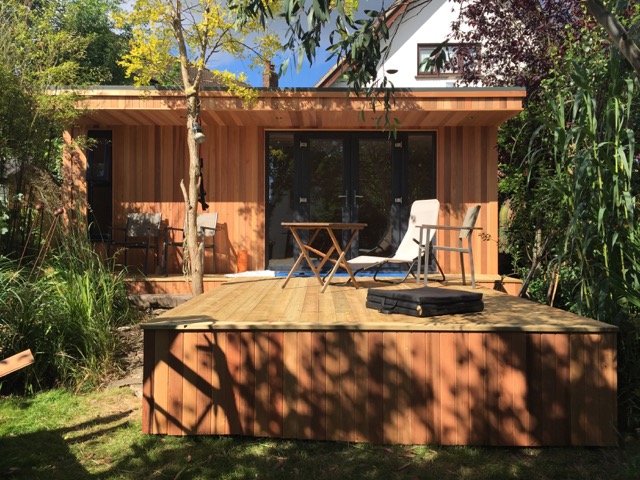
A mature garden is a living tapestry—lush with established trees, shrubs, perennial borders, and winding paths that have developed over time. If you’re considering adding a garden room to such a setting, you might wonder how to introduce a modern structure without disrupting the natural charm of your outdoor space. The goal isn’t just to insert a building into a garden but to create something that feels like it has always belonged there. Done well, a garden room can enhance the beauty, functionality, and value of your property while preserving the character of your mature landscape. In this comprehensive guide, we’ll explore how to thoughtfully design and integrate a garden room into an established garden so that it becomes a seamless extension of your outdoor haven.
Respecting the Character of a Mature Garden
Before you even start designing your garden room, take time to truly understand your garden’s existing features. Mature gardens often have a natural flow and rhythm—defined by the growth of trees, the direction of sunlight, and the evolving landscape architecture. A successful garden room should respond to those elements, not compete with them.
Start by identifying the following:
-
Focal points: Where are your most beautiful views, specimen trees, or existing features?
-
Sun and shade: How does light move through the garden across the day and seasons?
-
Pathways and access: How do people naturally move through the garden?
-
Topography: Are there slopes, raised beds, or level changes to consider?
-
Planting styles: Is your garden cottage-style, formal, wild, or contemporary?
By understanding the unique personality of your garden, you can make design choices that enhance rather than disrupt the landscape.
Choosing the Right Location
The placement of your garden room is one of the most important decisions you’ll make. In a mature garden, this decision is even more critical, as you’re working within an established ecosystem. While you may be tempted to tuck the room into an unused corner, it’s important to balance visibility, accessibility, and impact on existing plants.
Here are some location tips:
-
Tread lightly: Avoid disrupting large root systems of established trees or shrubs.
-
Preserve sightlines: Place your garden room where it won’t block views from your home or favourite garden spots.
-
Maximise light: While mature gardens are often shaded, find a spot with dappled light or south/southwest exposure for a bright interior.
-
Utilise natural screening: Trees and hedges can provide built-in privacy and a sense of enclosure.
-
Blend with natural contours: Build with, not against, any slopes or undulations in the land.
It’s also wise to consult a professional to conduct a tree survey if your garden includes protected or high-value specimens. Root protection zones can influence where foundations can be placed.
Selecting a Garden Room Design That Compliments Nature
The design of your garden room should harmonise with its surroundings. In a mature garden, this often means leaning into natural materials, soft colours, and subtle architectural lines. While a bold, ultra-modern cube might look striking on a blank canvas, it could feel jarring amidst aged oaks and billowing hydrangeas.
Key design tips:
-
Use natural cladding: Timber cladding—especially cedar, larch, or composite materials with a woodgrain finish—blends well with a green backdrop.
-
Choose muted tones: Earthy hues like soft grey, green, or brown are more sympathetic to nature than bright white or stark black.
-
Limit reflectivity: Avoid excessive glass that reflects sunlight harshly. Opt for matte finishes over shiny metals.
-
Soften edges: Consider curved pathways, planters, or trellises to transition gently from garden to structure.
-
Incorporate planting: Living roofs, climbing plants, or raised beds help visually anchor the building within the landscape.
Remember, the goal isn’t to make the garden room invisible—it’s to make it feel intentional and in harmony with its surroundings.
Working Around Existing Trees and Plants
One of the defining features of mature gardens is the presence of well-established trees, shrubs, and perennial borders. Removing these should always be a last resort. With careful planning, most garden rooms can be designed to work around even the most intricate planting schemes.
Here’s how:
-
Build around trees: Incorporate decking or pathways that curve around trunks or root zones.
-
Lift and relocate plants: If a prized shrub or perennial is in the way, it can often be moved by a professional horticulturist.
-
Protect root zones: Use ground screws or lightweight foundations to minimise soil disturbance.
-
Plan installation access: Ensure machinery and materials can reach the site without damaging the rest of the garden.
-
Prune, don’t remove: If a tree is overhanging the build site, professional pruning can help reduce shade or physical obstruction without cutting it down.
The more you preserve, the more your garden room will feel like a natural addition rather than an intrusion.
Creating Flow With Paths and Hard Landscaping
The journey to and from your garden room is just as important as the room itself. In a mature garden, this pathway should feel like it’s always been there. Curved gravel paths, stepping stones through lush borders, or timber boardwalks under tree canopies help guide movement while respecting the organic feel of the landscape.
Ideas for seamless transitions:
-
Natural materials: Use reclaimed brick, gravel, stone, or composite decking that ties into existing features.
-
Lighting: Subtle low-level lighting can enhance the path without overwhelming the nighttime garden.
-
Planting borders: Frame the pathway with soft grasses, perennials, or evergreens to guide the eye.
-
Decking extensions: A deck that wraps around or links your garden room to an existing patio creates continuity.
-
Canopies and pergolas: These structures help extend the garden room outward and connect it visually to other elements.
Remember to consider accessibility as well—make sure the path is wide enough, flat where necessary, and safe to walk on in wet weather.
Integrating Outdoor Living Spaces
Your garden room doesn’t exist in isolation—it can act as the heart of an entire outdoor living zone. This is especially true in mature gardens, where defined areas for dining, lounging, or entertaining are often already in place.
Enhance your garden room experience by:
-
Adding a patio or terrace: Position it directly outside the doors for an instant indoor-outdoor feel.
-
Incorporating seating nooks: Benches built into borders or under trees can provide tranquil retreats.
-
Using planters as dividers: Raised beds or large pots filled with seasonal blooms can separate zones without feeling harsh.
-
Creating water features: A small pond, fountain, or rill near your garden room adds movement and sound, enhancing the sensory experience.
-
Installing pergolas or trellises: These can link the room to other parts of the garden while supporting climbing roses, clematis, or honeysuckle.
The key is to use the garden room as a focal point and build subtle, functional spaces around it that complement the flow of the garden.
Using Planting to Soften and Anchor the Building
Planting plays a vital role in blending your garden room into its environment. The right plant choices and layout can soften harsh edges, obscure foundations, and help the structure feel deeply rooted in the landscape.
Planting strategies include:
-
Climbers and wall plants: Use trellises or green walls to add vertical softness. Try jasmine, clematis, ivy, or climbing hydrangea.
-
Shrubs and ornamental grasses: These add volume and year-round interest near the base of the building.
-
Layered planting: Use a mix of heights, textures, and seasonal colour to avoid a stark transition between structure and garden.
-
Native plants: Choose species that reflect the local environment for a natural, cohesive look.
-
Potted plants: If space is limited, planters can be moved seasonally and allow for easy experimentation.
Avoid overplanting too close to the structure—leave enough airflow and access to maintain the building properly.
Choosing Lighting That Enhances Rather Than Overpowers
In a mature garden, the right lighting can elevate the mood and add drama without taking away from nature’s own magic. Rather than floodlights or garish LEDs, opt for subtle, low-level, warm-tone lighting.
Best lighting ideas for blending in:
-
Step or path lights for safe access without overwhelming brightness
-
Up-lighting for nearby trees to add atmosphere
-
Recessed deck lights around the garden room perimeter
-
Wall sconces in natural finishes like bronze or weathered steel
-
Solar lanterns for eco-friendly charm
Consider motion sensors or dimmers to control lighting levels depending on time of day and use.
Embracing Sustainability and Biodiversity
Your garden room can also support the natural environment if planned correctly. Consider incorporating sustainable and biodiversity-friendly features that enhance the existing ecology of your garden.
Eco-conscious additions might include:
-
Living roofs to absorb rainwater and provide habitat
-
Rainwater harvesting systems for watering plants
-
Insect hotels or bird boxes placed nearby
-
Wildflower borders or pollinator plants integrated into landscaping
-
Compost bins or green waste storage hidden behind trellises
By making your garden room part of the ecosystem, you reinforce the idea that it belongs within the natural landscape, not apart from it.
Final Thoughts
Integrating a garden room into a mature garden isn’t just about clever landscaping—it’s about respect. Respect for the trees that have taken decades to grow, the paths worn in over years of wandering, and the hidden harmony that already exists in your outdoor space. With thoughtful placement, sympathetic design, and the right materials and planting, your new garden room can feel like it has always belonged—an evolution of your garden’s story rather than a new chapter. Whether it becomes a home office, yoga retreat, artist’s studio, or a quiet place to enjoy a cup of tea, your garden room should be a natural extension of the sanctuary you’ve already created.