
How to Soundproof Your Garden Room for Maximum Privacy
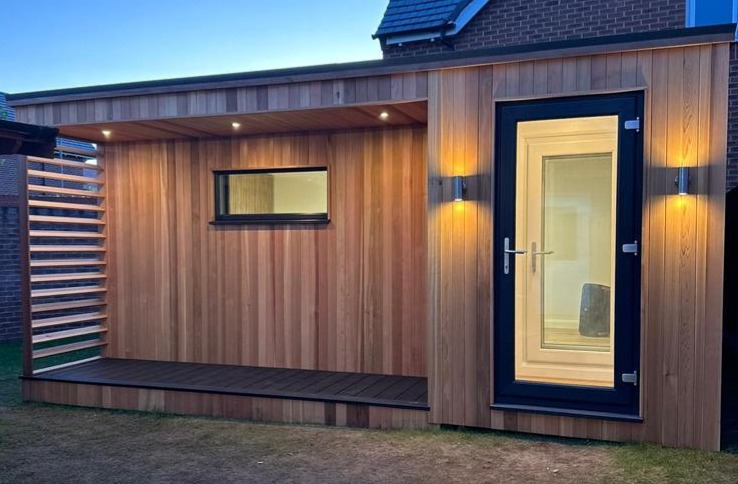
Garden rooms are increasingly being used as home offices, music studios, therapy rooms, and personal retreats. While these detached spaces offer peace and separation from the main house, they also raise a common question: how can you ensure maximum sound privacy? Whether you want to keep external noise out or internal sounds in, soundproofing your garden room is essential. In this comprehensive guide, we’ll explore effective techniques and materials to help you soundproof your garden room for maximum privacy—while keeping it stylish and functional.
Why Soundproof Your Garden Room?
There are several reasons why soundproofing your garden room is a wise investment:
-
Confidentiality: Essential for therapists, consultants, or remote workers handling private conversations.
-
Concentration: Keeps distractions at bay in a home office setting.
-
Creativity: Enables musicians, podcasters, and content creators to work without interruption.
-
Relaxation: Enhances the tranquil atmosphere for wellness, meditation, or spa use.
-
Courtesy: Prevents sound from disturbing neighbours or other household members.
Understanding Soundproofing vs. Acoustic Treatment
Before diving in, it’s important to understand the distinction:
-
Soundproofing blocks sound from entering or leaving the room.
-
Acoustic treatment improves the quality of sound within the room (e.g., reducing echo).
This blog will focus primarily on soundproofing, though we’ll also touch on acoustic treatments where they enhance privacy.
Key Areas to Soundproof in a Garden Room
To effectively soundproof a garden room, you need to address all potential paths of sound transmission:
-
Walls
-
Windows and Doors
-
Floors
-
Ceiling/Roof
-
Ventilation and Air Gaps
Step-by-Step Guide to Soundproofing Your Garden Room
1. Soundproofing the Walls
Walls are the largest surface area and a major contributor to sound leakage.
-
Add Mass: Use materials like acoustic plasterboard, mass loaded vinyl (MLV), or soundproof insulation boards.
-
Use Acoustic Insulation: Install mineral wool (e.g., Rockwool) or acoustic foam inside wall cavities.
-
Double Wall Construction: A room-within-a-room approach using a secondary wall creates an air gap that dampens sound.
-
Decoupling Methods: Use resilient channels or isolation clips to separate wall layers and prevent vibrations.
2. Upgrading Windows for Sound Isolation
Glass is a weak point in any soundproofing effort.
-
Double or Triple Glazing: Choose windows with at least 10mm glass and different thicknesses in the panes for better noise reduction.
-
Acoustic Glass: Special laminated glass designed to block more sound.
-
Window Inserts: Add a secondary acrylic pane inside the existing window to create an additional sound barrier.
-
Seal Gaps: Use high-quality weather stripping and acoustic sealant around frames.
3. Soundproofing the Door
Standard doors allow significant sound leakage.
-
Install a Solid Core Door: Heavier than hollow doors and better at blocking sound.
-
Use Acoustic Door Seals: Fit rubber or foam seals around the door frame to eliminate gaps.
-
Add a Door Sweep or Drop Seal: Prevents sound escaping under the door.
-
Install a Secondary Door: Similar to a double window, adding an internal door improves isolation.
4. Treating Floors for Sound Reduction
Floors can transmit both airborne and impact noise.
-
Install Floating Floors: Lay flooring on acoustic underlay that decouples it from the subfloor.
-
Use Soundproofing Mats: Dense mats or MLV beneath flooring materials reduce transmission.
-
Carpeting and Rugs: A simple and effective way to absorb airborne sound.
5. Soundproofing the Roof/Ceiling
Roof soundproofing is especially important in garden rooms near noisy roads or flight paths.
-
Add Acoustic Insulation: Fill roof cavities with high-density mineral wool.
-
Use Soundproof Boards: Apply acoustic plasterboard with green glue compound between layers.
-
Decouple the Ceiling: Use resilient mounts or channels to reduce vibration transmission.
Additional Soundproofing Considerations
1. Seal All Gaps and Cracks
Sound escapes through even the tiniest openings.
-
Use acoustic sealant around joints, light fittings, and sockets.
-
Seal where walls meet floors and ceilings.
2. Ventilation Without Noise
Ventilation is essential, but vents can be sound highways.
-
Use Acoustic Vents: Designed to allow airflow while blocking noise.
-
Install Baffle Boxes: These absorb sound inside the vent.
-
Consider Mechanical Ventilation: MVHR (Mechanical Ventilation with Heat Recovery) systems can be quieter and more efficient.
Acoustic Treatments to Improve Internal Sound Quality
While soundproofing prevents noise escape, acoustic treatment improves internal sound clarity.
-
Acoustic Panels: Reduce echo and reverberation.
-
Bass Traps: Useful in music rooms to manage low-frequency sound.
-
Ceiling Clouds: Hanging panels that reduce sound reflections.
-
Bookshelves and Curtains: Even soft furnishings help with sound absorption.
Smart Technology to Enhance Privacy
Smart tech can support your soundproofing efforts and create a more private environment:
-
White Noise Machines: Mask ambient sound with calming background noise.
-
Smart Speakers: Play ambient or relaxing music to create auditory barriers.
-
Smart Blinds and Curtains: Add another layer of insulation and acoustic absorption.
DIY vs Professional Soundproofing
Depending on your skills and goals, soundproofing can be a DIY project or require professional input.
DIY Advantages:
-
Cost-effective
-
Easier for basic soundproofing tasks (e.g., sealing gaps, adding rugs or curtains)
When to Go Pro:
-
You need high-performance solutions (e.g., for music or therapy rooms)
-
Structural work is required (e.g., double wall systems, decoupling)
-
Long-term durability and maximum effectiveness are priorities
Use Cases for a Soundproof Garden Room
1. Home Office
Ensure confidential calls and virtual meetings aren’t interrupted by external noise.
2. Music Studio
Play and record without worrying about disturbing the neighbours or family.
3. Therapy Room
Maintain client confidentiality and create a calm, controlled environment.
4. Gaming or Media Room
Enjoy immersive entertainment without cranking down the volume.
5. Creative Workspace
Focus on writing, art, or craft without external distractions.
Final Tips for Maximum Sound Privacy
-
Plan soundproofing early in your design or renovation process.
-
Use a combination of methods: no single solution works alone.
-
Don’t neglect doors and windows—they’re often the weakest points.
-
Regularly inspect seals and materials for wear.
-
Combine soundproofing with aesthetic design to maintain a stylish interior.
Final Thoughts
Soundproofing your garden room ensures maximum privacy, comfort, and usability, making it a valuable extension of your home. Whether you're taking client calls, creating music, or simply enjoying quiet time, a properly soundproofed garden room delivers year-round performance and peace of mind. With a range of materials, techniques, and technologies available, you can tailor the solution to your specific needs and budget. Don’t just build a room—create a sanctuary of sound privacy.
r play.