
How to Use a Garden Room as a Showroom or Client Meeting Space
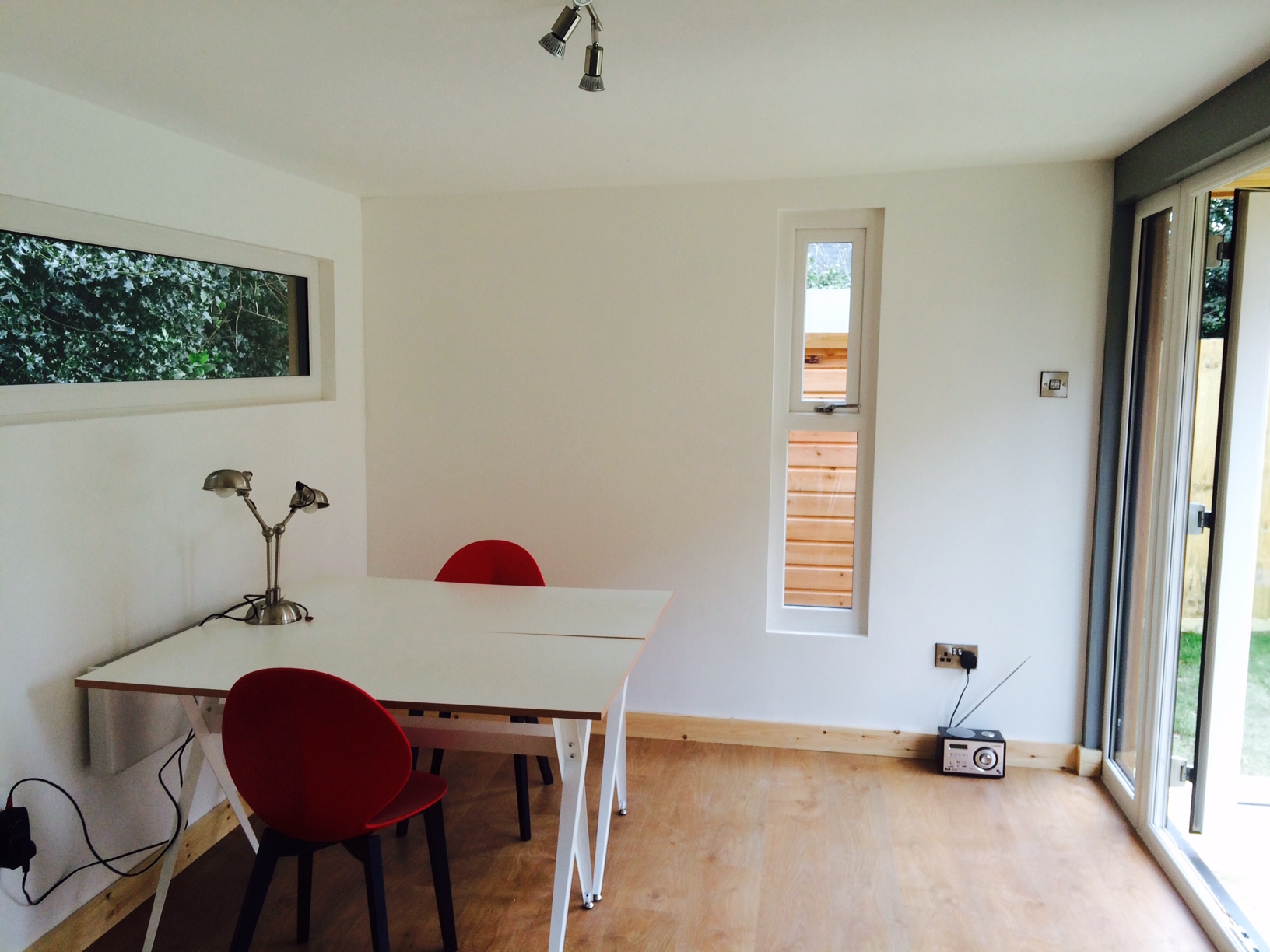
As the way we work continues to evolve, professionals across industries are seeking smart alternatives to traditional office space. For small business owners, freelancers, consultants, designers, and service providers, one of the most powerful and cost-effective solutions is closer than you might think—right in your garden. A purpose-built garden room can be transformed into a stylish, professional showroom or client meeting space, offering a perfect balance between functionality, privacy, and aesthetic appeal. In this guide, we explore how to set up and maximise your garden room as a dedicated business hub, showroom, or client-facing environment.
Why Use a Garden Room for Business?
The beauty of a garden room is its flexibility. While many homeowners choose to use it as a home office, gym, or guest space, its potential as a business environment is often overlooked. A garden room can easily be adapted to serve as a fully functional showroom, design studio, consultation room, or creative workspace—all within walking distance of your home.
Here’s why using a garden room for business makes sense:
-
Cost-effective: Eliminates the need to rent expensive commercial premises
-
Professional atmosphere: Offers a dedicated, polished space separate from household distractions
-
Convenient: Saves time on commuting while giving you control over your work environment
-
Client-friendly: Creates a welcoming and impressive setting for face-to-face meetings
-
Customisable: Tailor every element of the space to suit your brand and needs
Whether you’re an interior designer showcasing materials, a therapist meeting clients in a calming space, or a product-based business needing a private display area, a garden room provides the perfect solution.
Designing a Garden Room Showroom: Key Considerations
To ensure your garden room is suitable for professional use, it’s essential to plan both the layout and functionality with care. While the external look of the garden room should complement your property and garden, the interior must align with your brand, client expectations, and practical business requirements.
1. Define the Purpose of the Space
Begin by defining exactly how you plan to use the room. This will guide every design choice, from layout to lighting.
Common business uses for garden rooms include:
-
Client meeting space for consultants, accountants, designers, or coaches
-
Product showroom for physical items such as home décor, fashion, tech, or handmade crafts
-
Service demonstration area for treatments, therapies, or fitness instruction
-
Design studio with display boards, samples, and portfolios
-
Small-scale retail hub for private viewings or local sales
Understanding the function of the space will help you choose the right finishes, fixtures, and furnishings.
2. Layout and Zoning
Depending on the type of business, you may need multiple zones within your garden room. For instance, a product-based business may require a display area, a small consultation table, and storage, while a creative professional might need desk space and shelving for portfolios.
Tips for effective zoning:
-
Use furniture to naturally divide areas (e.g., bookshelves, rugs, counters)
-
Install built-in storage to keep clutter out of sight
-
Leave adequate open space for movement and conversation
-
Consider a waiting area if multiple clients may visit
Choose furniture that’s both stylish and functional—remember, this is a professional space that reflects your business.
3. Lighting Matters
Lighting plays a key role in setting the tone for your showroom or meeting room. It should be both practical and atmospheric, showcasing your products or services in the best possible way.
For example:
-
Natural light is ideal for design professionals and product displays—use large windows, skylights, or bi-fold doors
-
Ambient lighting such as wall sconces or LED strips can make the space feel warm and welcoming
-
Task lighting like desk lamps or spotlights is important for workstations or detailed demonstrations
-
Accent lighting can draw attention to specific products or artwork
Dimmer switches and smart lighting systems give you flexibility to change the mood based on the time of day or nature of the meeting.
4. Brand the Interior
Your garden room is an extension of your business—make sure it communicates your brand effectively.
Ways to incorporate branding:
-
Use your brand’s colour palette in walls, furniture, or decor
-
Display logos subtly on signage, product labels, or presentation materials
-
Showcase client testimonials, certificates, or awards
-
Use décor that aligns with your brand’s tone—modern, rustic, minimal, or luxurious
The goal is to create a space that leaves a lasting impression on clients and reinforces your credibility.
5. Tech Integration
A modern business space must be equipped with the technology you need to conduct professional meetings, presentations, or product demonstrations.
Essential tech considerations:
-
High-speed internet via Wi-Fi extender or wired connection
-
Smart TV or monitor for client presentations or digital portfolios
-
Charging points and power sockets strategically located
-
Bluetooth speakers or sound systems for background music or audio
-
Booking or scheduling software if you’re managing multiple clients
Also ensure good mobile reception or install a signal booster if needed.
Making a Great First Impression
When clients visit your garden room showroom, their first impression starts before they even walk through the door. Think about the journey from your main entrance or parking area to the garden room itself.
Suggestions to create an inviting approach:
-
Add a natural pathway with gravel, stepping stones, or decking
-
Install subtle garden lighting to guide visitors in the evening
-
Use planters or flower beds to frame the garden room entrance
-
Keep the surrounding area tidy and well-maintained
-
Consider signage or a nameplate that adds a professional touch
These small details can elevate the entire client experience and show you’ve put thought into every aspect of your business.
Ensuring Comfort and Professionalism
Client comfort is paramount. You want people to feel at ease, especially if you’re hosting consultations, therapeutic sessions, or sales discussions.
Ways to enhance comfort:
-
Climate control via heating, air conditioning, or underfloor heating
-
Comfortable seating with cushions or ergonomic design
-
Beverage station or coffee machine for refreshments
-
Private toilet facilities (if plumbing allows)
-
Soundproofing for discretion and peace
A comfortable client is a receptive client. By making your space welcoming and professional, you increase the likelihood of trust, engagement, and repeat business.
Legal and Practical Considerations
Before turning your garden room into a client-facing business hub, it’s important to consider the legal and practical aspects.
Planning Permission:
Most garden rooms fall under permitted development and do not require planning permission. However, if you plan to use the room for regular business activities with visiting clients, especially in residential areas, you may need to seek permission or inform your local council.
Insurance:
Make sure your business activities are covered by your insurance policy. This may include business contents, public liability, and employer’s liability if staff or clients visit the site.
Accessibility:
If your clients include individuals with disabilities, consider ramps, wide doors, and accessible restrooms.
Utilities:
Ensure you have sufficient electricity, heating, and ventilation for comfort and safety. If plumbing is required for washbasins or toilets, this must be planned early in the build process.
Noise and Parking:
Minimise potential disturbances to neighbours, especially if you’re operating in the evenings. Provide or plan for adequate off-street parking if needed.
Real-World Examples
Interior Designer Showroom
A garden room measuring 6m x 4m was fitted out with sample boards, swatches, a design desk, and seating for client consultations. The owner hosts private appointments in a space tailored entirely to her aesthetic, without the costs or commitments of renting a high street unit.
Therapist Consultation Space
A 4m x 3m garden room was transformed into a calming therapy room, complete with soft lighting, neutral decor, and a waiting bench outside. The sound-insulated structure allows for private sessions without disturbance from the main house.
Boutique Fashion Display Room
A bespoke garden room with large windows and wall-mounted rails became a display area for a luxury dressmaker. Clients book appointments to view samples, try on pieces, and discuss commissions in a tranquil, high-end environment.
Photography Studio and Gallery
A 7m x 3.5m garden studio includes a small photography set and gallery-style walls to showcase printed work. The space doubles as a meeting room for client bookings and has helped the photographer grow their business from home.
These examples demonstrate the flexibility and professional potential of garden rooms when used as business spaces.
Final Thoughts
Using a garden room as a showroom or client meeting space is a smart, stylish, and effective way to elevate your business. Whether you’re hosting clients for high-end consultations or showcasing handmade products, a well-designed garden room offers privacy, professionalism, and brand continuity—all without the high overheads of a commercial lease. With thoughtful planning and custom features like climate control, integrated tech, and beautiful interior styling, you can create a space that not only impresses your clients but also inspires you every day.
At Oeco Garden Rooms, we specialise in creating bespoke garden buildings tailored to your business needs. Whether you're looking for a showroom, studio, or consultation space, our expert team will work with you to deliver a space that reflects your brand and enhances your professional offering.