
Installing a Garden Room in a Conservation Area! Is It Possible?
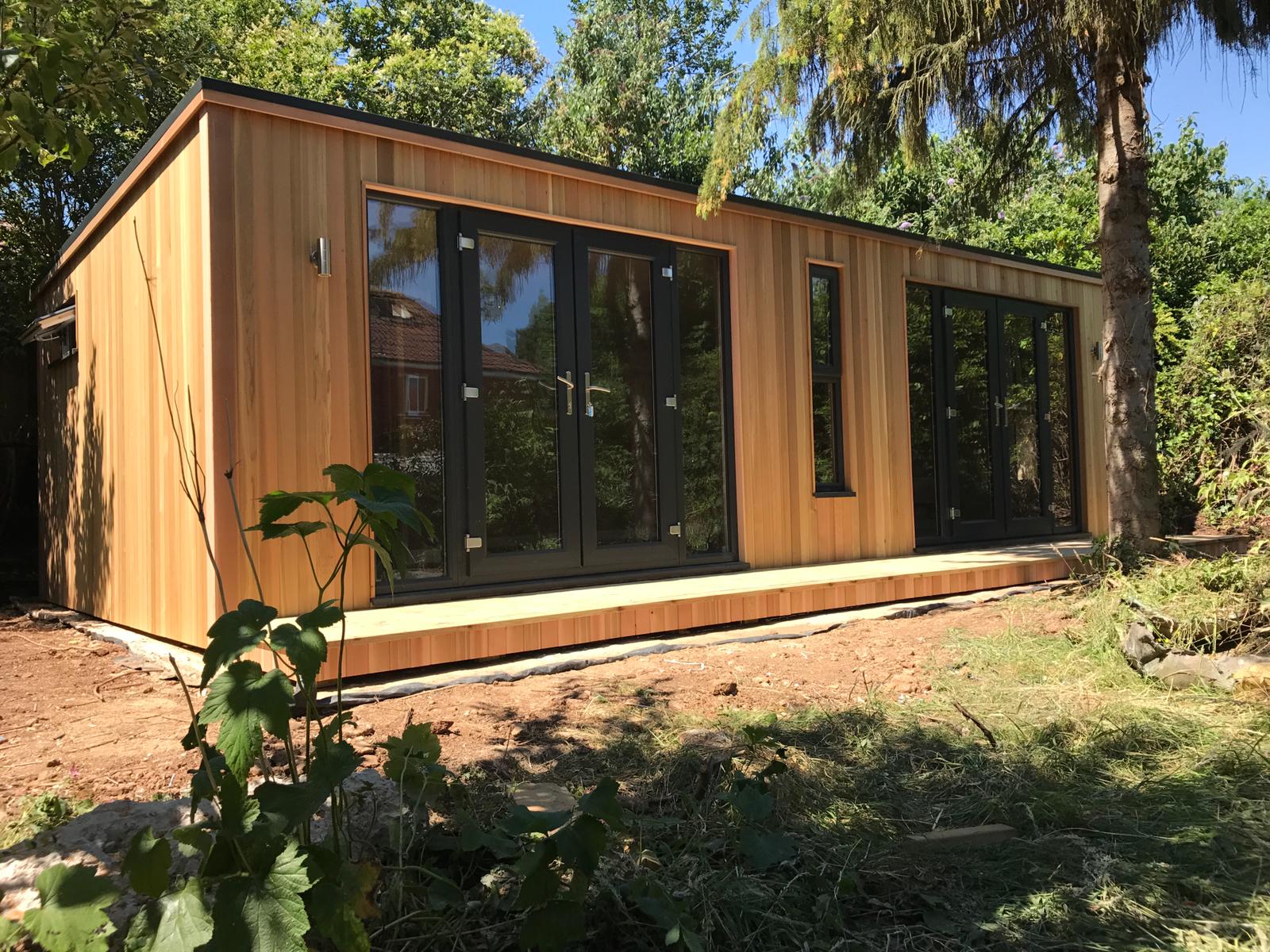
The idea of adding a garden room to your property is tempting for so many reasons—home office, art studio, gym, guest room—but what if you live in a conservation area? Is it even allowed?
The short answer is: yes, it’s possible—but not without some extra planning, permissions, and sensitivity to your surroundings.
In this detailed guide, we’ll explore what it means to live in a conservation area, how it affects your plans to install a garden room, what permissions you may need, how to increase your chances of approval, and the best way to approach the process from start to finish.
By the end of this article, you’ll have a clear understanding of how to move forward with confidence—and how to turn a potential headache into a beautiful, compliant addition to your home.
What Is a Conservation Area?
A conservation area is a location designated by your local authority as being of special architectural or historic interest. The purpose of this designation is to preserve or enhance the character and appearance of the area.
There are over 10,000 conservation areas in the UK alone, covering parts of cities, villages, and countryside. These areas may include:
-
Historic buildings or districts
-
Traditional architectural styles
-
Protected views or landscapes
-
Ancient woodland or rural character
If your home is in a conservation area, it doesn't mean you're forbidden from making changes. But it does mean that more stringent rules apply—especially when it comes to building external structures like a garden room.
Do You Need Planning Permission for a Garden Room in a Conservation Area?
Under normal circumstances, small outbuildings can often be built under permitted development rights—meaning no formal planning application is needed.
However, in a conservation area, permitted development rights may be partially or fully restricted, depending on your local council's Article 4 Direction.
Here’s what that means:
-
Without an Article 4 Direction: You may still be able to build a garden room under permitted development, as long as it complies with the usual restrictions (size, height, location relative to the house, and boundary distances).
-
With an Article 4 Direction: Your council has withdrawn permitted development rights in your area, and you must apply for planning permission, even for minor developments.
Quick Checklist: When You’ll Likely Need Planning Permission
-
Your garden room is forward of the principal elevation of your house.
-
It’s within 2 metres of a boundary and over 2.5 metres high.
-
It’s intended to be used as sleeping accommodation.
-
The structure is in a conservation area with Article 4 restrictions.
-
Your property is listed, or in close proximity to listed buildings.
-
The building will alter the character or appearance of the conservation area.
How to Check If You’re Affected by Article 4
Contact your local planning authority (LPA) or check their website to:
-
Confirm if your property is in a conservation area
-
Identify any Article 4 Directions in place
-
Review local design guides and conservation policies
Your LPA may have a downloadable map or an interactive planning tool that makes this process easy. Don’t assume your situation is the same as your neighbour’s—rules can vary street by street.
Design Sensitively: What Planners Want to See
When applying for planning permission in a conservation area, the key is sympathetic design. Your proposed garden room must respect the character of the area and blend with its surroundings.
1. Scale and Position
Keep the size of the building modest in relation to the garden. Position it away from the front of the property and shielded from public view where possible. Avoid blocking established sightlines or views that contribute to the area's character.
2. Materials and Finish
Use materials that are either natural or match the architectural context—such as timber cladding, slate roofs, or painted joinery. Avoid anything overly modern or out of keeping with the neighbourhood unless it’s clearly high quality and well thought-out.
3. Roof Form and Height
Consider pitched roofs or green roofs where flat roofs would look too stark. Keep the height low—especially near boundaries—to minimise visual impact.
4. Landscaping
Incorporate hedges, planting, and soft landscaping to integrate the structure into its surroundings. Avoid felling any mature trees without consultation—they may have protection orders (TPOs).
Tips for a Successful Planning Application
-
Pre-Application Advice
Many councils offer pre-application consultations. A small fee can help you uncover potential issues early and shape your application accordingly. -
Design and Access Statement
A well-written statement explains how your design complements the conservation area and respects planning policy. -
Detailed Drawings
Submit professional, scaled architectural drawings. Include context images or 3D visualisations if possible. -
Neighbours Matter
While not strictly required, it helps to speak with your neighbours before applying. Their support—or lack of objections—can influence approval. -
Professional Support
Work with a garden room company experienced in conservation areas. They’ll likely have templates, experience with local planners, and preferred construction methods.
Real-Life Case Study: Garden Room in a Victorian Conservation Area
The Scenario: A homeowner in a Victorian terraced conservation zone in Surrey wanted a 4m x 3m timber-clad garden room to use as a home office and hobby space.
The Challenges:
-
Article 4 Direction restricted any changes to garden structures.
-
The garden backed onto a public footpath with protected views.
-
Surrounding properties featured traditional brick and slate designs.
The Solution: -
The design featured natural cedar cladding that would silver over time.
-
A shallow pitched green roof helped minimise visibility from behind.
-
The garden room was positioned low and nestled among mature hedges.
-
Planning drawings included photorealistic renderings and a Design & Access Statement.
The Outcome: -
Planning permission was granted with minimal conditions.
-
The structure added value and usability without compromising the area’s heritage.
Frequently Asked Questions
Q: Can I build a garden room in a conservation area without permission if it’s small enough?
A: Possibly, if permitted development rights still apply in your area. However, many conservation areas restrict these rights. Always check with your local authority first.
Q: Will I need Building Regulations approval as well?
A: Yes, if the structure is over 15m² and includes sleeping accommodation, or if it's over 30m² in size. Even if it doesn’t, electrical or plumbing installations must comply with regulations.
Q: Can I use a modern or contemporary design in a traditional conservation area?
A: It depends on the context. Some planning authorities welcome high-quality modern design if it’s clearly sensitive, low impact, and well-crafted. Others prefer traditional forms and materials.
Q: What if my garden room is temporary or on wheels?
A: Even if it’s a mobile or “non-permanent” structure, you may still need permission in a conservation area, particularly if it affects views or character. It’s the impact, not the mobility, that counts.
Design Inspiration: Styles That Work in Conservation Areas
Here are a few garden room design approaches that have proven successful in sensitive settings:
Heritage-Inspired Studio
-
Vertical timber cladding painted in a muted tone
-
Timber windows with heritage-style glazing bars
-
Reclaimed slate roof and cast iron fixtures
Contemporary with Natural Blend
-
Siberian larch cladding that weathers naturally
-
Large-format aluminium windows in dark grey
-
Sedum green roof to support local biodiversity
Traditional Garden Lodge
-
Brick base to match the main house
-
Gable roof with handmade clay tiles
-
White-painted timber sash windows
Whatever your aesthetic, the key is consideration and quality—your garden room should quietly complement its surroundings, not shout for attention.
Conclusion: Yes, It’s Possible—With the Right Approach
Installing a garden room in a conservation area is absolutely possible—but it requires a more careful, design-led, and permission-conscious approach.
Don’t let the extra red tape deter you. In many cases, a well-thought-out garden room adds far more value, character, and usability to your home than its planning process takes away.
Start by contacting your local planning department, book a site survey with a specialist garden room provider, and work with professionals who understand the sensitivities of conservation areas. With the right advice and design, your new garden room can fit beautifully into both your garden—and your neighbourhood’s historic legacy.
Need expert help planning a garden room in a conservation area?
We specialise in high-end, planning-compliant designs that blend beauty with practicality.