
Is a Garden Room Truly Usable All Year Round?
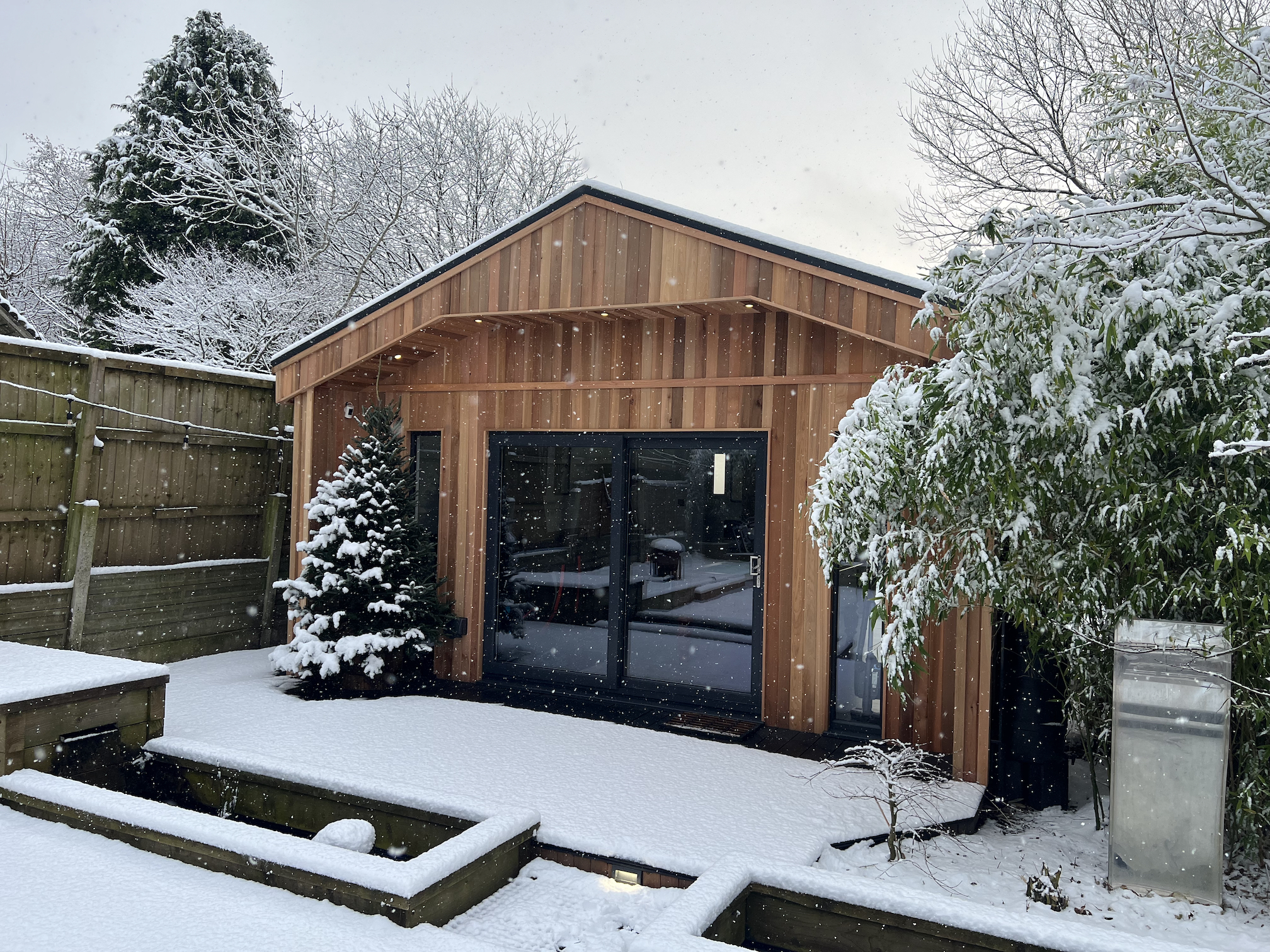
Garden rooms have surged in popularity over the past few years, offering a stylish and practical way to extend your living space. Whether it’s a home office, gym, art studio, or relaxation area, garden rooms are often marketed as versatile, all-season structures. But is a garden room truly usable all year round? In this blog, we explore the factors that determine year-round usability and how to ensure your garden room remains comfortable and functional through every season.
The Appeal of a Year-Round Garden Room
The idea of a garden room that can be used 365 days a year is incredibly appealing. It adds value to your property, provides extra space without the need for planning permission (in most cases), and enhances your lifestyle with a dedicated retreat or workspace. However, its year-round usability depends on various key considerations, including insulation, heating, ventilation, construction quality, and design.
Key Factors That Affect Year-Round Usability
1. Insulation Quality
Proper insulation is one of the most important components for ensuring a garden room can withstand both summer heat and winter cold.
-
Roof Insulation: A well-insulated roof helps retain heat in winter and reflects heat in summer.
-
Wall Insulation: High-performance insulated panels or SIPs (structural insulated panels) offer superior thermal efficiency.
-
Floor Insulation: Cold rises from the ground, so insulating the base is critical for warmth during colder months.
2. Heating Solutions
During winter, unheated garden rooms can become too cold to use comfortably. Investing in a smart heating system is key to making the space usable.
-
Electric Radiators: Easy to install and control via timers or smart apps.
-
Underfloor Heating: A premium solution that offers even, consistent heat distribution.
-
Air Source Heat Pumps: Ideal for eco-conscious homeowners, these provide both heating and cooling.
3. Ventilation and Airflow
Good ventilation is essential not just for comfort, but also for preventing damp and mould.
-
Opening Windows and Vents: Encourage natural airflow.
-
Trickle Vents: Help maintain background ventilation even when windows are closed.
-
Mechanical Ventilation Systems: More advanced systems automatically manage airflow and humidity levels.
4. Glazing and Windows
The type and quality of windows can significantly impact thermal comfort.
-
Double or Triple Glazing: Reduces heat loss and improves energy efficiency.
-
Low-E Glass: Reflects heat back into the room in winter and keeps it out in summer.
-
Window Positioning: Maximise natural light while reducing solar gain in summer.
5. Construction Materials and Build Quality
The longevity and performance of your garden room are heavily influenced by the materials used and the quality of construction.
-
Timber Frame vs SIPs: SIPs offer better insulation and airtightness.
-
Weatherproofing: Ensure all external finishes are resistant to rain, wind, and UV damage.
-
Foundations: A solid base prevents damp and structural issues.
Seasonal Challenges and Solutions
Winter: Combatting the Cold
-
Challenge: Cold temperatures, damp, and condensation.
-
Solution: Invest in high-grade insulation, install a reliable heating source, and ensure adequate ventilation. Consider using rugs and thermal curtains to add extra warmth.
Summer: Keeping Cool
-
Challenge: Overheating and glare from the sun.
-
Solution: Use solar control glazing, install blinds or shades, and ensure good airflow with operable windows or ceiling fans. Air conditioning or an air source heat pump can also help regulate temperature.
Autumn and Spring: Transitional Weather
-
Challenge: Unpredictable temperatures and increased rainfall.
-
Solution: Make use of programmable heating and dehumidifiers. Install weather seals to prevent drafts and rain ingress.
Year-Round Uses for a Garden Room
With the right setup, your garden room can support a variety of functions throughout the year:
1. Home Office
Remote and hybrid working are here to stay. A well-insulated and heated garden office ensures productivity regardless of the season.
2. Fitness Studio
Stay active without commuting to a gym. Use smart heating and ventilation to maintain a comfortable workout environment.
3. Creative Studio
Artists, musicians, and crafters benefit from a peaceful space with ample natural light and year-round usability.
4. Guest Accommodation
A properly insulated and furnished garden room can double as a guest suite. Add blackout blinds, heating, and a sofa bed for comfort.
5. Wellness or Meditation Retreat
Create a serene space with climate control and soundproofing to enjoy mindfulness and relaxation in every season.
Smart Technology for Year-Round Comfort
Smart home integrations can significantly improve the year-round usability of your garden room:
-
Smart Thermostats: Automatically adjust temperature based on usage patterns.
-
Remote-Controlled Heating: Warm up the room before arrival.
-
Lighting Automation: Adjust brightness and colour temperature to match the time of day.
-
Air Quality Monitors: Detect humidity and CO2 levels, prompting ventilation or air purification.
Professional Installation vs DIY Garden Rooms
While DIY garden room kits are popular for their affordability, they often lack the high-performance features required for year-round use. Professionally designed and installed garden rooms usually include:
-
Superior insulation and airtightness
-
Durable materials suited for all weather
-
Integrated heating, lighting, and ventilation systems
-
Custom design options for specific year-round uses
Planning and Legal Considerations
Most garden rooms fall under permitted development, but certain conditions apply:
-
Must not be used as permanent sleeping accommodation
-
Should not exceed 2.5m in height if built within 2 metres of a boundary
-
Check with your local authority for any restrictions, especially in conservation areas or listed properties
Proper planning ensures that your garden room is legally compliant and structurally sound.
Cost vs Comfort: Is It Worth the Investment?
A year-round garden room represents a significant investment, but the returns—in lifestyle, property value, and usability—can be substantial.
Initial Costs:
-
Quality insulation and glazing
-
Heating and cooling systems
-
Electrical installation and connectivity
Long-Term Benefits:
-
Increased property value
-
Energy efficiency and lower heating bills
-
Enhanced lifestyle and functionality
When done correctly, the benefits far outweigh the initial outlay, making a garden room a cost-effective home improvement.
Real-World Testimonials
Homeowners who have invested in high-quality garden rooms report positive experiences across all seasons:
“I work from my garden office every day, even in winter. The insulation and smart heating mean it’s always cosy.” – Sarah, Kent
“We use our garden room as a yoga retreat and summer guesthouse. It’s comfortable all year, thanks to good design and ventilation.” – James, Sussex
“I love having a separate space to unwind. It’s usable rain or shine, and I never worry about damp or cold.” – Louise, Surrey
Tips for Making Your Garden Room Truly Year-Round
-
Choose a reputable builder with experience in year-round garden rooms
-
Prioritise insulation and energy-efficient glazing
-
Include a reliable heating system and ventilation strategy
-
Use smart technology for better climate control
-
Regularly maintain and weatherproof the structure
Final Thoughts
So, is a garden room truly usable all year round? Absolutely—provided it's designed, built, and equipped with all-season functionality in mind. From premium insulation and smart heating to ventilation and quality materials, each element plays a crucial role. A well-crafted garden room is not just an occasional retreat but a valuable, year-round extension of your home.