
Landscaping Ideas to Complement Your Garden Room
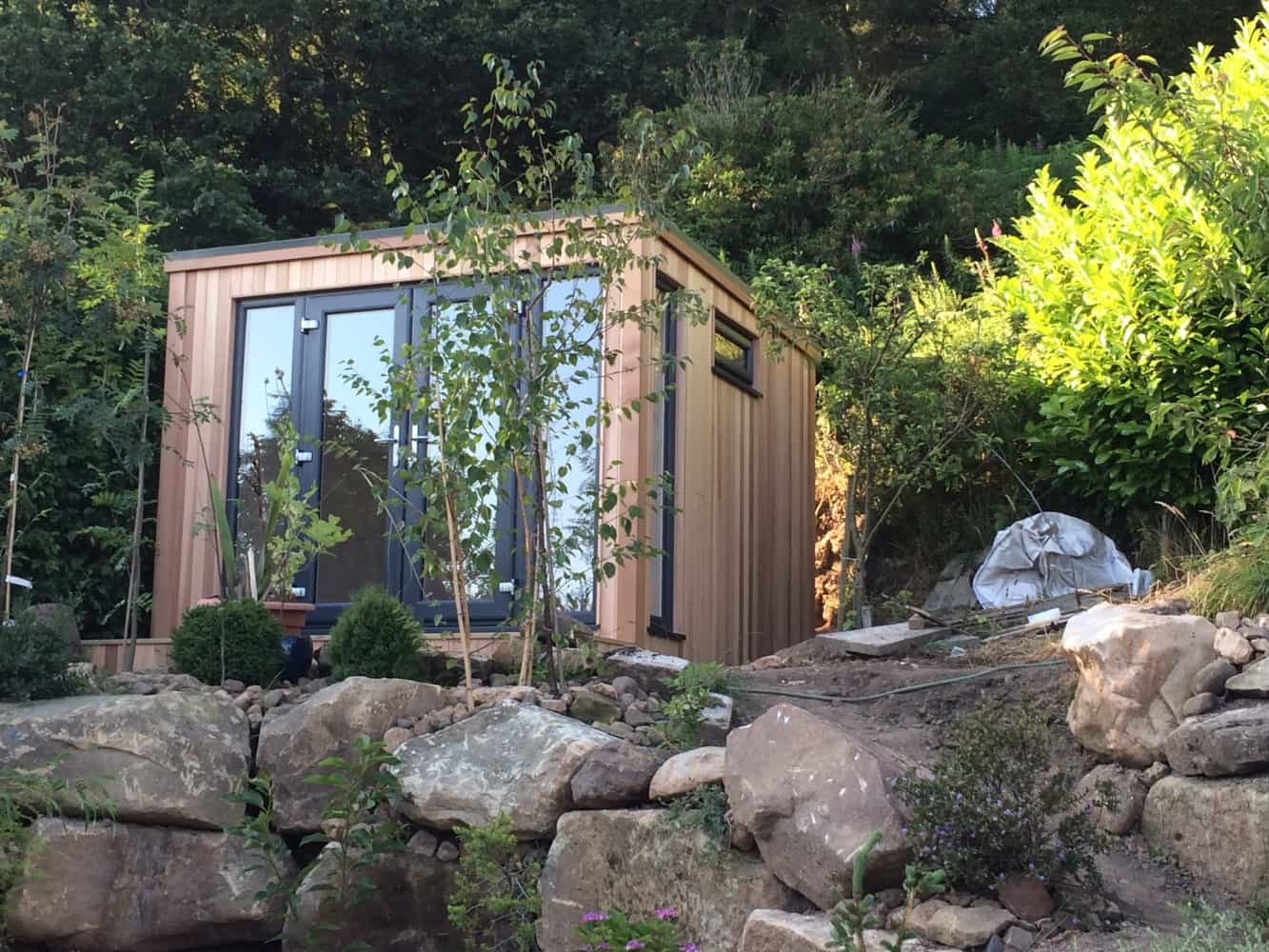
A beautifully designed garden room is more than just a standalone structure—it’s a feature that should feel seamlessly integrated into your outdoor space. While insulation, glazing, cladding, and internal finishes often dominate conversations about garden rooms, landscaping plays a crucial role in enhancing their look, feel, and usability. Great landscaping doesn’t just make your garden room more attractive; it extends its purpose, supports biodiversity, boosts kerb appeal, and creates an immersive, peaceful environment. Whether your new garden room serves as a home office, gym, studio, or retreat, surrounding it with intentional landscaping can elevate the entire experience. In this in-depth guide, we’ll explore the most effective landscaping ideas to complement your garden room and help you create a harmonious outdoor space that feels like a natural extension of your home.
1. Start with a Landscape Plan
Before you start planting, paving, or building, it’s important to think holistically. A garden room is a large addition to any garden, and without careful planning, it can feel disconnected. Begin by assessing the size and style of your garden, the position of the sun, the direction of prevailing winds, and how you currently use the space. Consider flow: how will you move from your home to the garden room, and what experience do you want along the way? Will you need privacy, open space, or zones for other activities? Create a basic sketch or work with a landscape designer to develop a cohesive plan. This blueprint will guide your choices for materials, planting, lighting, and layout.
2. Create a Defined Pathway
A defined path between your home and garden room adds both practical value and aesthetic charm. It signals intention and guides movement, preventing damage to your lawn during wet weather. Materials like stepping stones, gravel, sandstone slabs, or composite decking can be used to create anything from a rustic woodland trail to a sleek, modern walkway. Consider using curved paths to add visual interest and soften the lines of the building. Edging your path with low-level planting or lighting adds an extra layer of detail and helps blend the hard landscaping into the softer garden environment.
3. Use Planting to Frame the View
Strategically placed planting can frame your garden room beautifully, drawing the eye toward it and softening the visual impact of the building. This is particularly effective when your garden room is positioned at the end of the garden or visible from your kitchen or living room window. Use tall grasses, ornamental shrubs, or small trees to create natural borders. Plants like bamboo, ferns, or lavender add texture, movement, and scent. Evergreens provide structure year-round, while seasonal flowers offer colour and variation throughout the seasons. Avoid blocking windows or doors—instead, focus on highlighting the architectural lines or entrance with flanking plants or climbers.
4. Add a Seating Area or Outdoor Living Space
Your garden room doesn’t have to be the only place you relax. Extend the function of your garden room by creating an adjacent outdoor living space. Whether it's a sunken seating area, a patio with a dining table, or a raised deck with loungers, these spaces encourage more time outdoors. Use composite decking for a low-maintenance, slip-resistant platform, or porcelain paving for a clean, contemporary surface. You can even build a pergola or use outdoor umbrellas to provide shelter and define the space. This makes your garden room feel like part of a larger lifestyle setting, perfect for entertaining, working, or simply enjoying a cup of tea in the sun.
5. Focus on Privacy and Screening
Privacy is often a key concern with garden rooms, especially if you’re using the space as an office, gym, or wellness retreat. If your garden is overlooked by neighbours or faces a public area, use landscaping to create natural screens. Fast-growing hedging plants such as laurel, photinia, or leylandii offer year-round coverage. For a softer, layered look, combine shrubs with ornamental grasses and trellises. You can also use slatted timber screens or climbing plants like clematis or jasmine to provide coverage without feeling closed in. Water features and rustling plants like bamboo can help mask noise and add to the sense of seclusion.
6. Consider Lighting for Function and Mood
Outdoor lighting transforms your garden room and landscape into a usable, atmospheric space after dark. Pathway lights, uplights for trees, recessed decking lights, and wall-mounted fixtures can all contribute to a cohesive and inviting look. Use lighting to highlight the entrance, illuminate key features, and create zones for relaxing or entertaining. Solar-powered lights are a sustainable, low-maintenance option, while wired systems can be connected to smart home technology for ease of control. Thoughtfully placed lighting enhances security, boosts functionality, and adds drama and mood to your outdoor setting.
7. Embrace Low-Maintenance Planting
Not everyone wants to be a full-time gardener, especially if your garden room is for work or relaxation. Thankfully, low-maintenance planting doesn’t have to mean boring. Opt for hardy perennials, ornamental grasses, evergreens, and shrubs that require minimal pruning and watering. Ground cover plants like heuchera, sedum, or creeping thyme help suppress weeds while adding colour and texture. Mulching your beds and using automated irrigation systems can further reduce maintenance and ensure your garden stays lush and vibrant with little effort. Drought-tolerant plants are particularly valuable for sunny, exposed sites.
8. Use Raised Beds and Planters for Structure
Raised beds and planters are perfect for adding structure, height variation, and definition around your garden room. They also provide a clean, modern look that suits contemporary architecture. Use them to grow herbs, flowers, or even vegetables if your garden room includes a kitchenette. Planters can help connect the building with the surrounding landscape and act as transitional elements. Choose materials like corten steel, composite, or painted timber to match your garden room finishes. Symmetrical arrangements can create a formal feel, while staggered or asymmetric layouts evoke a more relaxed, organic vibe.
9. Add Water Features for Tranquillity
The sound and movement of water can add a sense of calm and luxury to any garden space. A simple water bowl, cascading wall fountain, or small pond can become a focal point of the garden room's surrounding landscape. Water features also attract birds and pollinators, supporting biodiversity. If your garden room is a space for yoga, meditation, or reading, the gentle sound of water can create the perfect ambience. Just make sure your water feature is proportionate to the space and doesn’t overwhelm the rest of your design.
10. Introduce Wild Zones and Wildlife-Friendly Features
Modern gardens don’t have to be pristine to be beautiful. In fact, incorporating wild zones and natural elements can enhance the appeal of your garden room while supporting local wildlife. Leave a corner of the garden to grow freely, add a wildflower meadow, or plant pollinator-friendly species like foxgloves, echinacea, and buddleia. Log piles, bird feeders, bee hotels, and hedgehog houses all contribute to a more sustainable, eco-conscious outdoor space. If your garden room has large windows, you’ll enjoy watching nature up close while working or relaxing inside.
11. Coordinate Materials and Colours
For a truly integrated garden room and landscape design, coordinate the materials and colours used in your landscaping with those of your building. If your garden room features anthracite grey windows, choose planters, lighting fixtures, or paving in similar shades. Timber-effect composite decking can echo the tones of cladding or interior flooring. Even planting choices—such as purple alliums with dark grey planters—can create visual harmony. Consistency in tone and texture helps the whole garden feel like a curated, well-thought-out space.
12. Think Seasonally
A well-landscaped garden looks good all year round. When selecting plants and features, think about how they’ll perform through the seasons. Combine spring bulbs, summer perennials, autumn foliage, and winter structure for a garden that’s always interesting. Include evergreen shrubs, winter-flowering plants like hellebores, and architectural elements like sculptures or trellises to maintain appeal in the colder months. Lighting and covered areas allow you to enjoy your garden room and its surroundings even during darker, colder days.
13. Blend Hard and Soft Landscaping
A successful landscape design balances hard landscaping (patios, paths, decking, walls) with soft elements (plants, lawn, trees). Too much hardscape can feel sterile, while too much planting without structure can look chaotic. Use hard landscaping to create access and define areas, then soften the edges with planting. Raised beds, built-in benches, and green walls can help bridge the two. Around your garden room, consider a mix of composite decking and raised beds or a gravel patio edged with ornamental grasses. This layered approach adds depth, visual interest, and function.
14. Allow Room for Evolution
Gardens grow and change. Design your landscape with flexibility in mind so you can adapt it over time. Choose modular planters, movable furniture, and planting schemes that allow for additions or seasonal updates. Leave open areas that can become dining spaces, play zones, or vegetable patches in future. By allowing your landscaping to evolve, you’ll keep it fresh and responsive to your changing needs.
Final Thoughts
A garden room isn’t complete without thoughtful landscaping. The area around your garden room defines how the structure is used, experienced, and enjoyed. From lush planting and sleek decking to wildflower borders and curated lighting, every element plays a role in creating a cohesive, usable outdoor environment. Whether your style is modern minimalism or wild and whimsical, there are endless ways to enhance your garden room with beautiful, practical landscaping. By considering layout, flow, privacy, and planting from the outset, you’ll create a space that’s not only stunning but also a true reflection of how you want to live.