
Modern vs Traditional: Which Garden Room Style Is Right for You?
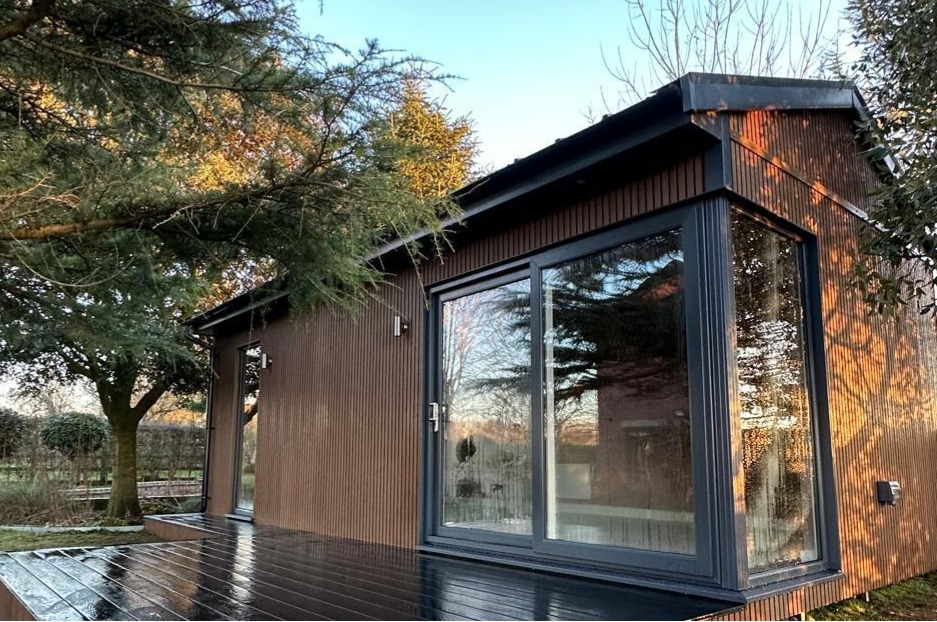
When it comes to expanding your living space, enhancing your garden's functionality, or creating a sanctuary just steps from your home, a garden room is one of the most elegant and versatile solutions. As the demand for high-quality garden rooms continues to grow, homeowners are faced with a critical design decision: should they choose a modern or traditional garden room style?
This comprehensive guide explores the key differences, benefits, and considerations of modern and traditional garden rooms to help you make the right choice for your lifestyle, aesthetic preferences, and property value.
What Is a Garden Room?
A garden room is a standalone structure, typically located within the garden of a residential property, that serves as a functional indoor space for work, relaxation, entertainment, or hobbies. Garden rooms are fully insulated, often with electricity and heating, and designed for year-round use. They can be customised to reflect a variety of architectural styles—most commonly modern or traditional.
Defining the Styles: Modern vs Traditional
Modern Garden Rooms
Modern garden rooms are characterised by sleek lines, minimalist aesthetics, and an emphasis on function and innovation. Think large panes of glass, flat or sloped roofs, and materials like aluminium, composite cladding, and engineered wood. Modern styles aim for a seamless connection between the interior and exterior environments, often blurring the lines between nature and indoor space.
Key Features of Modern Garden Rooms:
-
Flat or mono-pitched roofs
-
Floor-to-ceiling glazing or bi-fold doors
-
Low-maintenance composite or metal cladding
-
Neutral, minimalist colour palettes
-
Open-plan interiors with contemporary finishes
Traditional Garden Rooms
Traditional garden rooms embrace classic architectural elements, such as pitched roofs, timber cladding, sash windows, and decorative detailing. They are designed to harmonise with period homes and cottage-style gardens, offering a timeless and cosy aesthetic.
Key Features of Traditional Garden Rooms:
-
Pitched or gable roofs
-
Timber or shiplap cladding
-
Heritage colours like sage green, cream, or grey-blue
-
Multi-paned windows or French doors
-
Interior design featuring natural wood and classic furnishings
Benefits of Modern Garden Rooms
-
Contemporary Aesthetic Appeal Modern garden rooms exude sophistication and are perfect for homeowners who favour a clean, architectural look. Their minimalist design complements contemporary homes and urban gardens.
-
Maximised Natural Light Thanks to large glazed surfaces, modern garden rooms often enjoy abundant natural light, creating a bright and uplifting space ideal for studios, offices, or lounges.
-
Low Maintenance Many modern garden rooms use weather-resistant, low-maintenance materials such as aluminium or composite cladding, requiring minimal upkeep.
-
Smart Integration With modern builds, there is often an opportunity to incorporate the latest smart technology—such as automated lighting, heating, and security systems.
Benefits of Traditional Garden Rooms
-
Timeless Charm Traditional designs offer a sense of warmth and nostalgia. They are especially well-suited to older properties or gardens with a natural, rustic appeal.
-
Versatility in Use A traditional garden room can double as a summerhouse, reading nook, home office, or guest accommodation, adding value in multiple ways.
-
Customisation with Character Timber cladding, decorative trims, and heritage colours allow for unique personalisation that enhances character and curb appeal.
-
Environmental Harmony Natural materials help traditional garden rooms blend effortlessly into green surroundings, often appearing as though they’ve always belonged in the landscape.
How to Choose the Right Style for You
Choosing between modern and traditional styles isn't always straightforward. Here are some factors to consider:
1. Your Home’s Architectural Style
-
Modern Garden Room: Complements new builds, contemporary homes, and minimalist landscaping.
-
Traditional Garden Room: Best for period properties, cottages, and classic English gardens.
2. Purpose of the Garden Room
-
Home Office or Studio? A modern garden room may offer better lighting and smart tech integration.
-
Reading Room or Guest Space? A traditional garden room might provide the cosy ambiance you're looking for.
3. Garden Aesthetic and Layout
-
Consider the scale, plantings, and flow of your garden. A traditional room may blend more harmoniously in natural or cottage-style gardens, while modern designs suit minimalist or geometric landscapes.
4. Budget and Maintenance
-
Modern: May require a higher initial investment but generally lower ongoing maintenance.
-
Traditional: Potentially lower upfront costs, but timber may need regular painting or treatment.
5. Local Planning Regulations
-
Some neighbourhoods or listed properties have restrictions on external structures. Traditional designs may comply more easily in conservation areas.
Materials and Construction
Understanding the materials used can also guide your decision:
Modern Garden Rooms:
-
Aluminium or uPVC window frames
-
Composite or metal cladding
-
Flat rubber or EPDM roofs
-
Engineered wood floors
Traditional Garden Rooms:
-
Timber frame and cladding
-
Clay or slate tiled roofs
-
Hardwood doors and windows
-
Solid wood or carpeted floors
Both styles can be built using sustainable, energy-efficient materials. Be sure to ask about insulation, double glazing, and heating systems regardless of the style.
Interior Design: Modern vs Traditional
The exterior style often dictates the interior aesthetic, but there's room for creativity:
Modern Interiors:
-
Polished concrete or wood-effect vinyl flooring
-
Built-in LED lighting
-
Minimalist furniture
-
Open shelving
-
Tech integration (smart lighting, speakers)
Traditional Interiors:
-
Exposed timber beams
-
Vintage or rustic furnishings
-
Floral or textured fabrics
-
Bookshelves, lamps, and rugs
-
Wood-burning stoves or classic radiators
Your intended use—be it a yoga studio, music room, or garden office—can inspire the design choices inside.
Resale Value and Property Impact
A well-designed garden room can significantly increase the value and appeal of your home. Both modern and traditional garden rooms are considered desirable features, but the style should ideally match or enhance your home’s existing architecture and outdoor environment.
Tips for Maximising Value:
-
Ensure professional construction and finish
-
Install high-quality insulation and glazing
-
Consider plumbing and electrics if future buyers may want to convert the room for different uses
-
Keep the style cohesive with your home and garden
Final Thoughts: Which Style Wins?
There’s no one-size-fits-all answer to whether a modern or traditional garden room is better. It ultimately depends on your personal taste, your property’s character, and how you plan to use the space.
Choose Modern if:
-
You love clean lines and modern aesthetics
-
You want maximum natural light and tech features
-
Your home is contemporary or newly built
Choose Traditional if:
-
You prefer a warm, cosy feel with timeless charm
-
You live in a period home or rural setting
-
You want a garden room that blends with a naturalistic garden
Regardless of your choice, a high-quality garden room is a worthwhile investment that adds space, style, and value to your home.
Ready to build your dream garden room? Contact us today for a personalised consultation and discover whether modern or traditional is right for you.