
Modular vs Traditional Garden Rooms: Which Suits Your Lifestyle?
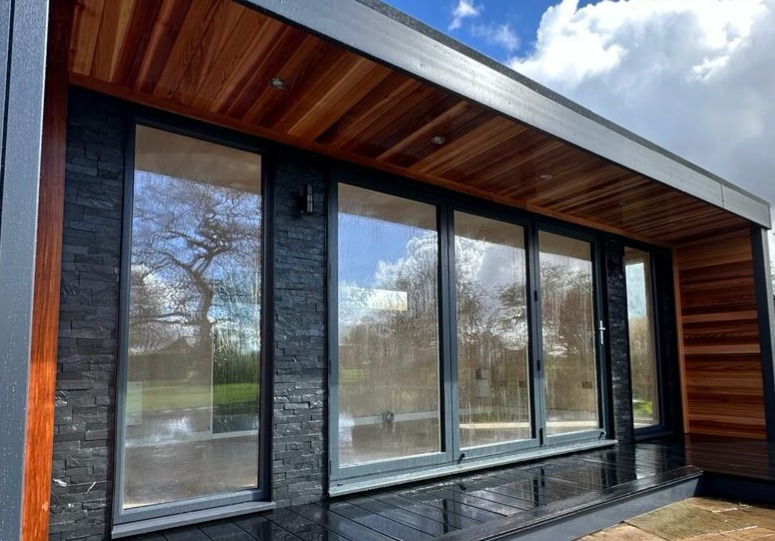
Garden rooms have become a must-have for modern UK homeowners. Whether you want a home office, gym, hobby studio, or guest retreat, the extra space adds value, comfort, and flexibility. But before construction begins, one key decision will shape your experience and outcome: Should you choose a modular (off-site) garden room or a traditional (on-site) build? Both options have their pros and cons, and your choice should reflect your lifestyle, usage needs, budget, and space. A modular build might appeal to those who want a fast, plug-and-play solution. A traditional on-site construction, on the other hand, offers a bespoke finish, design flexibility, and long-term adaptability. In this comprehensive guide, we’ll walk you through the strengths and limitations of each option—helping you choose what truly suits how you want to live, work, or relax in your garden space.
What Is a Modular Garden Room?
A modular garden room is a prefabricated unit built off-site in a factory setting. These units are delivered to your property either fully constructed or in large sections that are quickly assembled on-site. Think of them as high-end pods with factory-installed windows, insulation, cladding, and even electrics. Once delivered, the assembly can be completed in just a few days. Modular designs are typically based on standardised sizes and layouts, with a limited menu of upgrades such as cladding finishes or door styles.
What Is a Traditional Garden Room?
A traditional garden room is built on-site from the ground up using individual materials. These are often timber-framed structures or constructed from structural insulated panels (SIPs). The design, layout, and features are typically bespoke and flexible, allowing you to position windows, doors, sockets, lighting, and partitions to your exact preferences. Traditional builds may take slightly longer (usually 1–3 weeks on-site) but provide greater control over design and materials, offering a more “house-like” feel and finish.
Speed of Installation: Modular Wins—but Only Just
One of the key selling points of modular garden rooms is speed. With construction done off-site, your garden space won’t be disrupted for long. Once the unit is ready, delivery and installation can be completed in 2–5 days, weather permitting. This appeals to homeowners on tight timelines or those wanting immediate use of their new space. However, traditional garden rooms can be completed in just 7–14 working days. Thanks to experienced teams, pre-planned builds, and efficient materials like SIPs, the time difference isn’t as dramatic as some modular marketing suggests. Verdict: If speed is the only priority, modular wins—but traditional builds aren't far behind.
Customisation and Lifestyle Fit: Traditional Takes the Lead
With modular garden rooms, you're generally choosing from a fixed catalogue. While some suppliers allow you to pick finishes and add-ons, the structure’s footprint, window/door layout, and electrical layout are usually pre-set before manufacturing. If you have a specific vision for your space or want to align the layout with how you’ll actually use the room, these limitations may be frustrating. In contrast, traditional garden rooms offer real-time flexibility. Want to adjust the window position to catch evening sun? Need extra sockets or a partition wall for storage? Want a roof overhang for shade or a step-free threshold for accessibility? No problem. This flexibility is especially important if your lifestyle includes:
-
A need to future-proof your room for changing uses
-
Custom furniture or AV setups
-
Special considerations like accessibility, pets, or children
-
Orientation for sunlight, privacy, or garden views
Verdict: Traditional wins on adaptability and truly tailoring the space to your lifestyle.
Quality of Finish: Traditional Matches—and Often Exceeds—Factory Precision
Factory-built modules are produced in controlled environments, which reduces the risk of weather delays or inconsistent finishes. CNC cutting and dry assembly techniques are consistent and efficient. That said, the finish quality also depends heavily on the fit-out crew who install the unit on-site—and transport can sometimes compromise the precision gained in the factory. Traditional builds, especially when done by experienced teams, match or exceed the quality of modular rooms. Why? Because every element is fitted, adjusted, and perfected on your actual site. External cladding is hand-finished. Windows are installed to suit the final frame. Interior plastering, painting, and electrics are all bespoke and fully integrated. Verdict: It’s close, but traditional builds offer more scope for higher-spec, bespoke finishes—especially internally.
Planning Permission and Building Regulations
Both modular and traditional garden rooms can be constructed under Permitted Development rules, meaning no planning permission is needed if the building:
-
Is under 2.5m high within 2m of a boundary
-
Covers less than 50% of the garden
-
Is not used as a permanent bedroom
However, if your build includes plumbing, bathroom facilities, or a kitchen, or is larger than the threshold, you may need full planning permission or to comply with Building Regulations. Modular units that arrive finished may complicate inspection, whereas traditional builds allow Building Control officers to inspect each stage. Verdict: Both comply, but traditional builds are easier to adapt mid-project for compliance.
Site Access and Property Conditions
Modular garden rooms typically require wide, clear access to the installation site, sometimes involving cranes or tracked dollies. Narrow side paths, tight corners, or established landscaping may make delivery difficult or expensive. Traditional builds are much more adaptable. Materials are delivered in smaller batches and carried through narrow access points by hand. That means your build can go ahead without disturbing fences, hedges, or neighbours. Verdict: Traditional builds are far more forgiving when it comes to tight access or complex gardens.
Environmental and Sustainability Considerations
Modular suppliers often advertise reduced site waste and efficient material use, which is true to a degree. However, transporting an entire module on a lorry and craning it into place is resource-heavy, and off-site construction still generates manufacturing waste. Traditional builders typically order materials to spec, with offcuts repurposed for stud work or insulation. Sustainable timber sourcing and local suppliers can reduce your project’s carbon footprint. Plus, with on-site flexibility, you can make eco-conscious choices mid-project (like solar prep or green roofs). Verdict: It depends on the builder, but traditional often offers more control over sustainable choices.
Budget Considerations
Modular garden rooms often come with an all-in price tag that’s easy to understand. However, the total may increase due to:
-
Delivery surcharges for remote or difficult locations
-
Crane or lifting equipment
-
Limited upgrade options that cost a premium
-
Extra costs for unexpected groundwork or site prep
Traditional builds allow itemised, transparent pricing, with flexibility to phase features or adjust finishes to suit your budget. If you want to upgrade flooring later or add internal partitioning down the line, it’s easier and more economical with an on-site build. Verdict: Traditional builds can offer better value and cost control—especially for bespoke requirements.
Maintenance and Long-Term Use
Because traditional garden rooms are designed for longevity—with solid timber frames, breathable membranes, and integrated ventilation—they often outlast modular structures. Many modular pods are built to lower insulation standards or are difficult to adapt once assembled. With a traditional build, you can choose materials that match your home, include damp-proof membranes, and future-proof the structure for additional use cases (e.g., converting a gym to a guest suite). Verdict: Traditional builds are easier to maintain, upgrade, and extend in the future.
Real-Life Use Cases: Which Lifestyle Fits Which Build?
Modular might suit you if:
-
You want the fastest solution possible
-
Your needs are temporary (e.g. a short-term office)
-
Your design requirements are simple
-
You have wide access and level ground
Traditional might suit you if: -
You plan to use the room year-round
-
You have specific layout or AV needs
-
You want a truly home-like interior
-
You want the option to adapt or extend later
-
You care about aesthetics, quality, and long-term investment
Client Story: Two Paths, Two Outcomes
Lucy, a remote worker, originally considered a modular pod for speed. But after seeing a friend’s traditional build, she opted for on-site construction. During the build, she adjusted her window layout to reduce screen glare, added acoustic insulation, and requested a full-height bookshelf. The finished garden room became a hybrid workspace and retreat, tailored exactly to her needs.
Conclusion: Choose the Build That Fits Your Life, Not Just the Schedule
There’s no one-size-fits-all answer, but the best garden rooms don’t just fill space—they fit seamlessly into your life. If you need something ultra-fast and don’t mind layout constraints, a modular room may suffice. But if you want lasting quality, thoughtful design, and the flexibility to make your space work for you, a traditional garden room offers far more freedom and long-term satisfaction. It’s not just about how fast you get it—it’s about what you get when it’s done.