
Planning a Garden Room in an AONB (Area of Outstanding Natural Beauty)
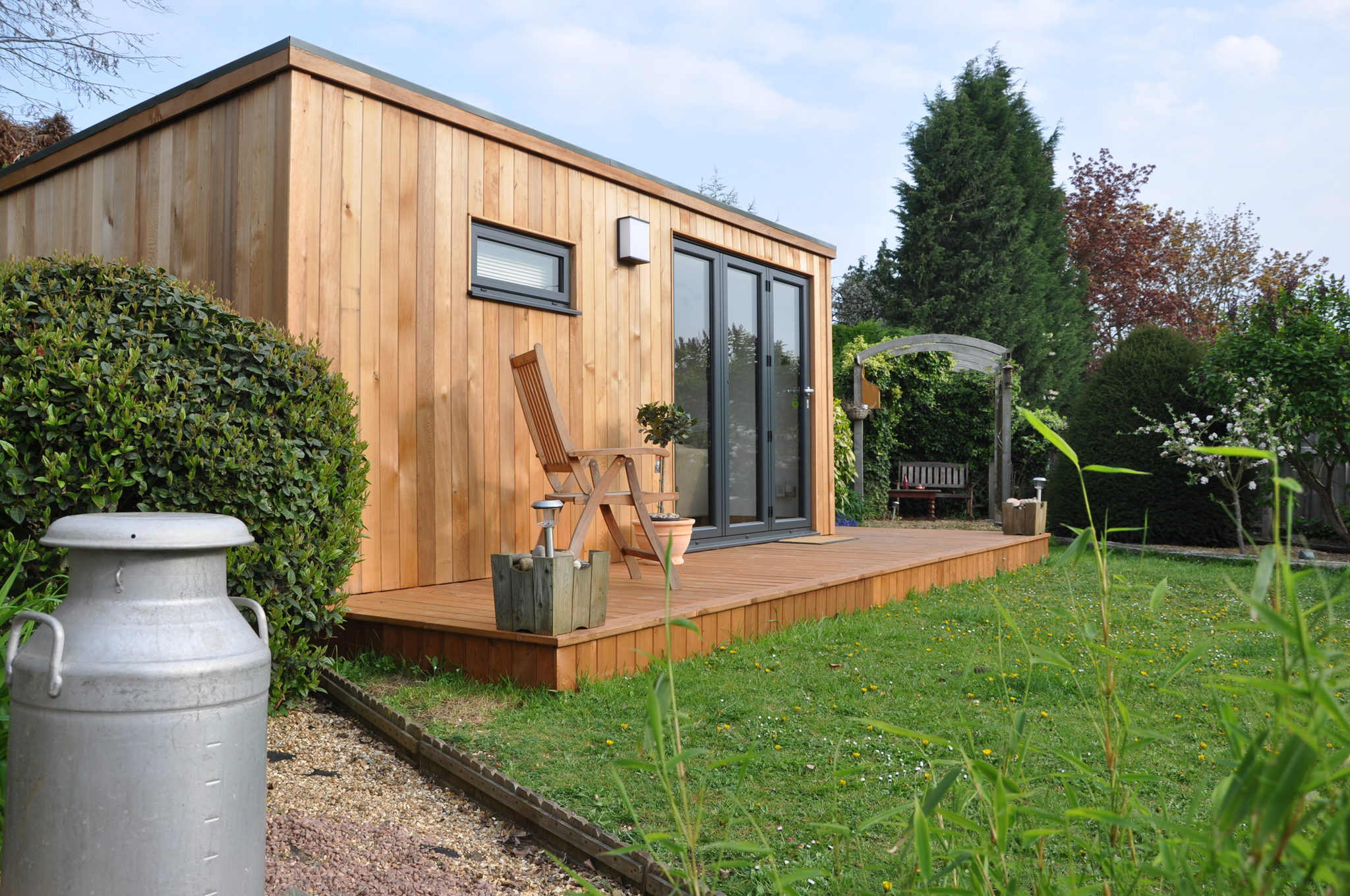
Garden rooms have become one of the most popular and versatile home improvements in the UK. Whether used as a home office, gym, art studio, or relaxing retreat, a garden room adds practical space, enhances your lifestyle, and increases property value. But if you live in an AONB (Area of Outstanding Natural Beauty), planning such a project involves a few more layers of consideration. AONBs are protected landscapes, designated to conserve and enhance natural beauty. That doesn’t mean garden rooms are off-limits, but it does mean you’ll need to navigate planning permissions carefully. In this article, we’ll explore what it means to live in an AONB, what rules apply to garden rooms in these areas, how to approach the planning process, and how to design a structure that complements its unique surroundings.
What Is an AONB?
An Area of Outstanding Natural Beauty is a region recognised for its exceptional landscape value and natural features. These areas are protected under the Countryside and Rights of Way Act 2000 in England and Wales, with equivalent legislation in Northern Ireland. The designation aims to conserve and enhance the natural beauty of the area while allowing for the social and economic well-being of the communities who live there. There are 46 AONBs across the UK, including popular locations such as the Cotswolds, North Pennines, Kent Downs, and the Chilterns.
Can You Build a Garden Room in an AONB?
Yes, you can—but with restrictions. Unlike properties outside of designated areas, building a garden room in an AONB often requires formal planning permission, even if the building would typically fall within Permitted Development rights. While Permitted Development allows many homeowners to construct outbuildings without planning approval, these rights are more limited in protected areas. The goal is to ensure that new development doesn’t harm the character or visual harmony of the landscape.
Key Planning Restrictions in AONBs
If your property lies within an AONB, several key restrictions apply that could affect your garden room plans:
1. Permitted Development Is Limited
In AONBs, your permitted development rights are reduced. For example:
-
Garden rooms must not be located forward of the principal elevation.
-
The total area covered by outbuildings cannot exceed 10 square metres if situated more than 20 metres from the house.
-
Maximum height is restricted to 2.5 metres if within 2 metres of a boundary.
-
No verandas, balconies, or raised platforms are allowed without permission.
-
Outbuildings cannot be used as separate living accommodation.
2. Planning Permission May Be Required
In most AONBs, you will need to apply for planning permission for a garden room—especially if it exceeds height or size restrictions or if it will be visible from public viewpoints. The local planning authority (LPA) will consider how the proposed structure affects the surrounding landscape and whether it complements local character and building styles.
3. Design and Materials Matter
In protected areas, visual impact is key. Local councils will favour garden rooms designed to blend with the natural setting. This means:
-
Using muted, natural colours
-
Choosing sustainable or traditional materials
-
Minimising visibility from public pathways or roads
-
Avoiding shiny or reflective surfaces
-
Creating low-profile designs that don’t dominate the landscape
Step-by-Step Guide to Planning a Garden Room in an AONB
Step 1: Confirm AONB Status
The first step is to confirm whether your property lies within an AONB. This can be done easily using online mapping tools or by contacting your local planning authority. Even if your garden is only partially within an AONB, the rules will likely apply to the entire plot.
Step 2: Consult Your Local Planning Authority
Speak with your LPA early in the process. They can advise whether your proposed garden room requires full planning permission and help you understand any specific local policies that apply to your area. Most AONBs have supplementary planning guidance that sets out expectations for design, scale, and materials.
Step 3: Hire an Experienced Garden Room Company
Choosing a supplier familiar with AONB regulations is essential. At Oeco Garden Rooms, we have experience working in protected landscapes and can guide you through the design, planning, and application stages. We also work with surveyors and architects if needed to ensure a smooth process.
Step 4: Design with the Landscape in Mind
Design is critical in an AONB. Your garden room should feel like a natural extension of your garden and not a visual intrusion. Consider:
-
A flat or shallow-pitched roof to reduce visual bulk
-
Composite or timber cladding in natural hues like cedar, grey, or brown
-
Low-set foundations to limit height
-
Carefully positioned windows to reduce glare
-
Green roofs or living walls for visual integration
Step 5: Prepare and Submit Your Planning Application
If permission is required, your application will need to include:
-
Site location plan and block plan
-
Scaled architectural drawings
-
Design and access statement
-
Heritage or landscape impact assessment (in some cases)
Your garden room company can prepare this for you or recommend a planning consultant to manage the application. Applications typically take 8 weeks for a decision.
Step 6: Await Decision and Begin Build
Once approved, construction can usually begin promptly. Be sure to adhere exactly to the approved plans—deviations may require a new application. Choose an installer experienced with AONB projects who will respect the site, use appropriate construction methods, and maintain a low-impact approach.
Design Principles for Garden Rooms in AONBs
Designing a garden room in an AONB is about more than meeting regulations—it’s about enhancing the beauty of your surroundings. Here are some guiding principles to follow:
1. Keep It Low and Discreet
A garden room in an AONB should not dominate the landscape. Lower the building height where possible, use green roofs to soften its profile, and avoid prominent rooflines or overhangs.
2. Use Natural Materials
Timber, composite wood-look cladding, and stone are ideal. Avoid materials that feel too contemporary or industrial, such as metal cladding or glossy plastics.
3. Choose Earthy Colours
Dark greys, browns, forest greens, and natural wood tones help the building disappear into the garden. Light or bright colours can clash with the natural surroundings.
4. Shield the Building from View
Use existing trees or hedges to provide screening, or incorporate new planting around the garden room. This reduces visual impact and enhances privacy.
5. Minimise Lighting and Reflection
Keep external lighting low-level and shielded to avoid light pollution. Avoid large reflective surfaces like chrome finishes or oversized glass panels.
Real Examples: Garden Rooms in AONBs
At Oeco Garden Rooms, we’ve helped clients across the UK design and build beautiful garden rooms in sensitive locations. One recent project in the North Wessex Downs AONB involved a 5m x 3m garden office finished in dark grey composite cladding with a green roof. By choosing low-impact materials and placing the building along a natural tree line, we secured planning permission without objections. Another client in the Cotswolds opted for a cedar-clad art studio with a sedum roof and reclaimed stone pathway—blending perfectly with the traditional aesthetic of the region.
These examples show that with the right approach, you can create a stunning, modern space that enhances rather than harms your local environment.
Common Mistakes to Avoid
1. Assuming Planning Permission Isn’t Needed
In an AONB, assume that you’ll need planning permission until your LPA confirms otherwise.
2. Choosing an Off-the-Shelf Design
Mass-market garden rooms may not meet AONB expectations. Work with a supplier who can customise the design to suit the setting.
3. Ignoring Cladding or Roofing Materials
Bright, artificial-looking finishes are usually rejected in AONBs. Natural, muted, or earthy materials are essential.
4. Overbuilding
Trying to squeeze a large garden room into a small or open garden in an AONB can harm your application. Proportionality is key.
5. Failing to Screen the Building
Landscaping should be part of your proposal. Consider hedges, trees, or fencing that complements the environment.
Final Thoughts
Building a garden room in an Area of Outstanding Natural Beauty requires thoughtful planning, respectful design, and close communication with your local planning authority. But it’s absolutely achievable—and the results can be extraordinary. By choosing a bespoke, well-crafted garden room that blends with the natural surroundings, you not only gain valuable space but also contribute positively to the beauty and sustainability of your local environment.
At Oeco Garden Rooms, we’re proud to help homeowners in AONBs create inspiring, modern spaces that respect and enhance the landscape. From initial consultation to planning application and final installation, our team provides expert guidance every step of the way.
If you’re considering a garden room in an AONB, get in touch today for tailored advice and a free design consultation. We’ll help you navigate the planning process and design a building that’s as beautiful as its setting.