
Premium Materials That Make a Difference in Garden Room Builds
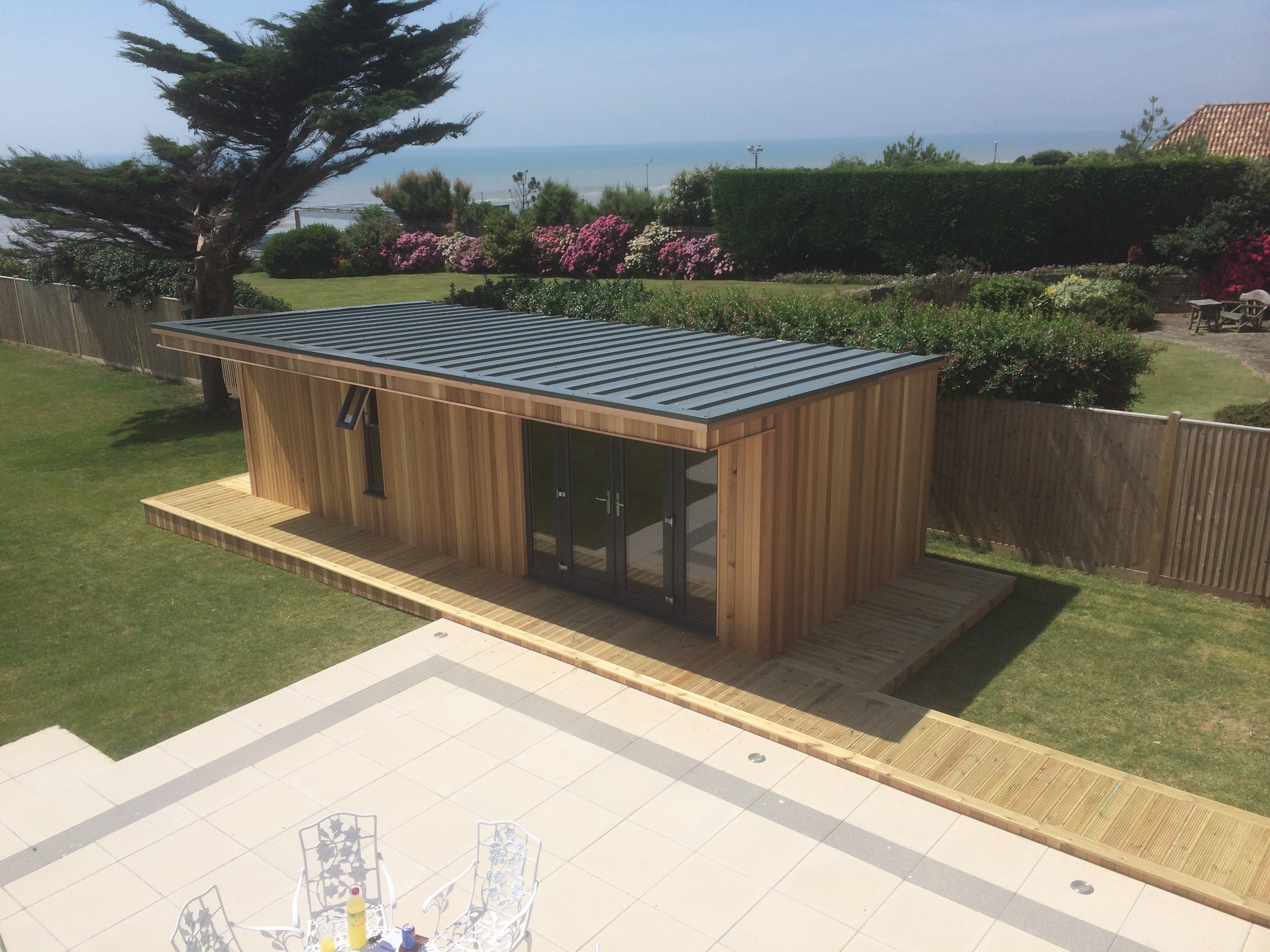
A garden room is more than just extra space—it's an investment in your property, your lifestyle, and your comfort. But not all garden rooms are created equal. Beyond floorplans and clever layouts, what truly separates a premium build from a standard one is the quality of the materials used. From insulation to cladding, from the doors to the roof, every component plays a role in the durability, appearance, and year-round performance of your space. In this article, we explore the premium materials that truly make a difference in a garden room. Whether you're planning a luxury home office, a modern guest suite, or a multifunctional space that adds value and style, understanding your material options will help you make smarter decisions—and avoid costly compromises.
Timber Cladding: Beauty, Longevity, and First Impressions
Cladding is the first thing you—and your guests—will see. It sets the tone for your entire garden room, providing both protection and personality. Cheap options like treated softwood or composite panels can deteriorate or discolour over time. In contrast, premium timber cladding provides not only visual elegance but long-term performance. Top choices include: Western Red Cedar – Naturally resistant to decay and insects, this timber has a rich reddish tone that weathers gracefully to a silvery grey. It requires minimal treatment and offers 20–40 years of life with proper installation. Siberian Larch – A dense, slow-grown softwood with beautiful golden hues. Larch is more affordable than cedar but still highly durable, ideal for those who want performance with a slightly more rustic look. Thermowood (heat-treated pine or ash) – Sustainably modified timber that’s thermally treated for enhanced stability, resistance, and longevity—perfect for contemporary designs with minimal maintenance. Why it matters: Premium cladding protects your investment from the elements, ages gracefully, and elevates your garden room from “shed” to “statement.”
Aluminium Doors and Windows: Strength Meets Style
The glazing in a garden room is critical for both aesthetic and function. Budget builds often use uPVC frames, which can warp, discolour, and offer poor sightlines. Premium builds favour powder-coated aluminium for doors and windows. Benefits include: Sleek, modern frames with slim profiles. Excellent thermal performance with thermal breaks. High-security multi-point locking systems. Available in a wide range of RAL colours and finishes. Long lifespan with minimal maintenance. Popular upgrades: Bifold doors that fully open your space to the garden. Sliding doors for uninterrupted views. Rooflights or skylights for natural overhead illumination. Acoustic or triple glazing for privacy and energy efficiency. Why it matters: Premium glazing maximises light, enhances usability, and improves thermal and acoustic performance—all while adding architectural flair.
PIR Insulation: Year-Round Comfort and Efficiency
Insulation is one of the most critical yet invisible components of a garden room. The difference between a seasonal shed and a fully habitable room comes down to insulation quality. PIR (Polyisocyanurate) insulation boards are among the highest-performing materials available for thermal efficiency. Advantages of PIR insulation: Low thermal conductivity = better energy retention. High compressive strength = supports structural loads. Space-saving = thinner boards perform better than thicker alternatives like mineral wool. Moisture resistant = better for garden room environments. U-values to aim for in premium builds: Walls: ≤ 0.25 W/m²K. Roof: ≤ 0.16 W/m²K. Floor: ≤ 0.20 W/m²K. Why it matters: A well-insulated garden room is cheaper to heat, more comfortable in all seasons, and better protected from condensation or damp. Energy efficiency isn’t just a buzzword—it’s a core component of luxury.
Insulated Interlocking Roofing Panels: Performance, Protection, and Precision
The roof is your garden room’s first and most critical barrier against the elements. While budget options like felt may seem cost-effective upfront, they degrade quickly—cracking, blistering, and leaking under prolonged UV exposure or harsh weather. For a truly high-end build, insulated interlocking roofing panels offer a superior solution in both form and function.
Key benefits of insulated roofing panels:
-
Built-in insulation for excellent thermal performance year-round
-
Interlocking design ensures a watertight, wind-resistant seal
-
Durable outer layers (usually coated steel or aluminium) resist corrosion, fading, and impact
-
Structural strength allows for long spans without bulky support beams
-
Fast, clean installation with fewer joints and reduced waste
These panels not only create a sleek architectural finish but also eliminate the need for separate roofing membranes and insulation layers. They’re ideal for flat and low-pitch roofs, often found in contemporary garden room designs.
Why it matters:
The roof doesn’t just complete the building—it safeguards everything beneath it. Poor-quality roofing leads to leaks, heat loss, and early maintenance headaches. Insulated interlocking panels deliver all-in-one strength, weatherproofing, and energy efficiency—giving you a roof that performs as beautifully as it looks. For a premium garden room that stands the test of time, it’s hard to beat this level of integrated performance.
Composite Decking and Platforms
Many luxury garden rooms sit on or next to decking, creating a seamless indoor-outdoor experience. Standard timber decking looks good for the first year, but often succumbs to rot, warping, or slippery algae buildup. Premium composite decking is a worthwhile upgrade. Composite decking benefits: Made from recycled wood fibres and polymers. UV and weather-resistant. Anti-slip surface finish. Available in a wide range of colours and wood effects. Requires virtually no maintenance—no painting or staining. Why it matters: Composite decking maintains its looks and functionality far longer than softwood. It completes the luxury look while keeping safety and sustainability in check.
Engineered Wood or LVT Flooring: Built to Last
The floor inside your garden room takes a beating—from muddy shoes to desk chairs and dropped weights. Basic vinyl or laminate may not last. For premium performance and appearance, choose engineered wood or luxury vinyl tile (LVT). Engineered wood offers the beauty of hardwood with enhanced stability and moisture resistance. LVT mimics wood or stone with remarkable realism and is completely waterproof. Both can be used with underfloor heating for extra comfort. Why it matters: Your floor contributes to thermal comfort, acoustic performance, and the feel underfoot. Premium flooring ensures your garden room remains welcoming and resilient for years to come.
Interior Finishes: Plasterboard and Beyond
Many budget builds use MDF panels, tongue-and-groove cladding, or vinyl-coated boards inside the walls. These can look dated, warp in humidity, and feel cheap. A true premium garden room uses fully plastered walls and ceilings, finished and painted just like a room in your home. Premium interior materials include: Moisture-resistant plasterboard. Skimmed plaster with smooth or textured finish. Painted to your chosen colour scheme. Concealed wiring and flush-mounted sockets. LED lighting integrated into ceiling designs. Why it matters: A luxury garden room should feel like a seamless extension of your home, not a converted outbuilding. Professional interior finishes complete the transformation.
Smart Heating and Climate Control
While a plug-in heater might do the job in spring, true comfort in winter or summer requires proper systems. Premium garden rooms integrate smart, efficient climate solutions that keep the space perfectly balanced. Best-in-class options include: Infrared panel heaters – sleek, energy-efficient, and quick to install. Electric underfloor heating – evenly distributes warmth from below. Split air conditioning units (with heating) – quiet, powerful, and great for year-round use. Smart thermostats – control temperature remotely via app. Why it matters: Your garden room should be usable every day, not just when the weather is mild. Premium climate control keeps it welcoming and functional with minimal energy waste.
Hidden Infrastructure: Cabling, Data, and Security
The quality of what’s behind the scenes matters just as much as what’s on display. In a premium garden room, infrastructure is future-proofed and professionally installed. Important infrastructure elements: Armoured electrical cabling run safely underground. Spare sockets and USB charging points. CAT6 data cabling or mesh Wi-Fi systems. Outdoor lighting with motion sensors. Integrated alarms or CCTV if needed. Why it matters: Whether you're hosting guests, running a business, or watching films, your space should support all modern living needs—without trailing extension cords or signal dropouts.
Foundations and Base Construction
Finally, the entire structure is only as strong as its base. While some builds use budget timber posts or inadequate slabs, a premium garden room is installed on a screwpile, ground screw, or reinforced concrete base. Top choices include: Concrete slab with damp-proof membrane – strong, level, long-lasting. Ground screws – ideal for uneven terrain, minimal ground disruption. Steel subframes – support modular or relocatable rooms. Why it matters: A stable base prevents sagging floors, moisture ingress, and long-term structural issues. It also determines how well your room resists seasonal ground movement.
Conclusion: Details Define True Quality
It’s easy to be wowed by glossy garden room images, but real luxury is built on what lies beneath the surface. The choice of materials—inside and out—directly affects how your garden room looks, feels, and performs 5, 10, or 20 years from now. Investing in premium materials isn’t about indulgence. It’s about long-term value, daily enjoyment, and peace of mind. From cedar cladding to PIR insulation, aluminium doors to plastered walls, every decision you make shapes the experience you’ll have living, working, or relaxing in your space. If you’re serious about building a high-end garden room that stands the test of time, don’t just compare prices—compare materials, too. Because when it comes to quality, it’s what you don’t see that often makes the biggest difference.