
Rainwater Harvesting for Your Garden Room: Eco-Smart or Overkill?
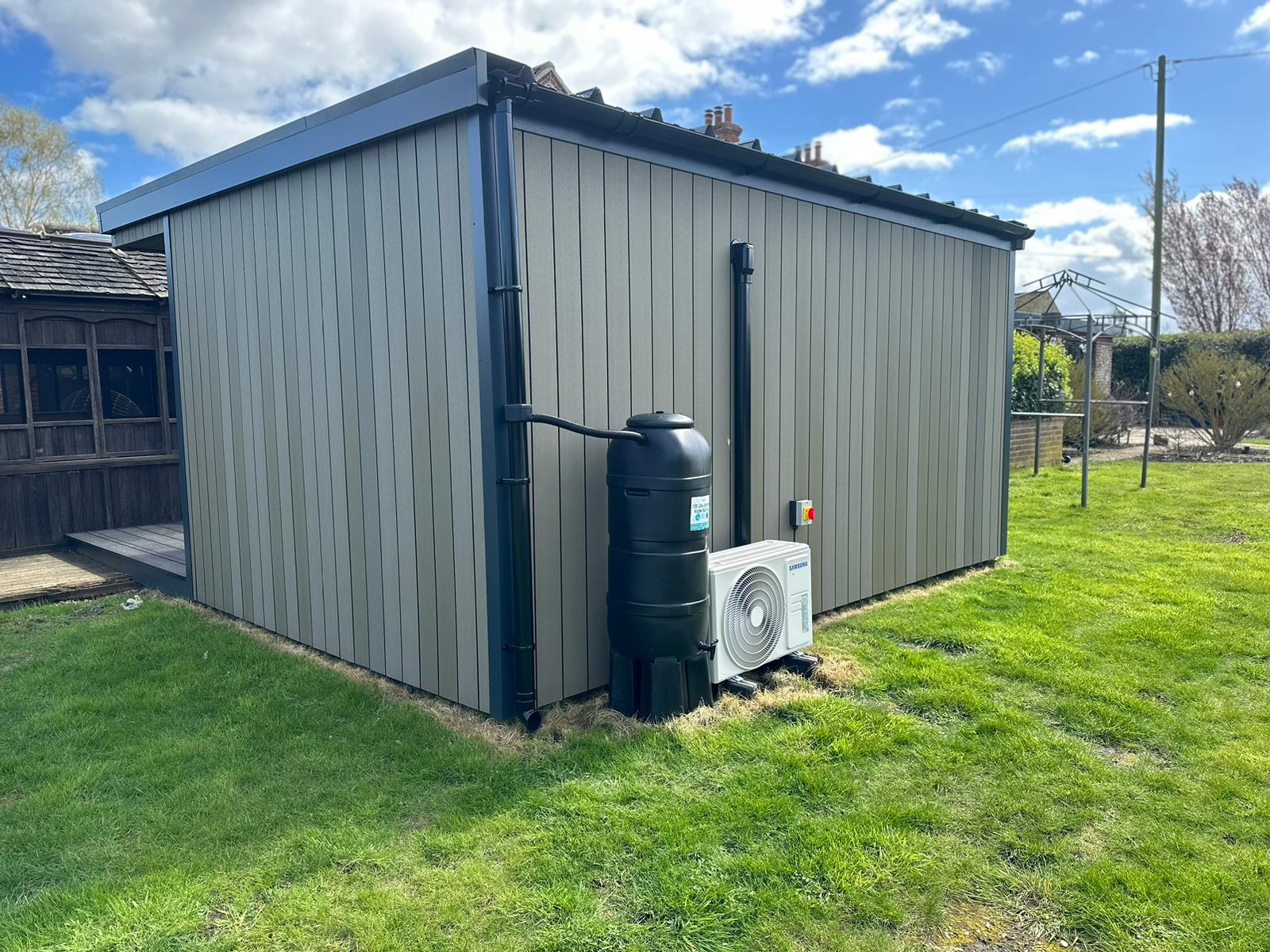
As sustainability becomes a top priority for UK homeowners, rainwater harvesting is increasingly being considered for everything from home renovations to garden projects. But what about garden rooms? These self-contained outdoor spaces—whether used as home offices, studios, gyms, or retreats—often spark the question: is it worthwhile to install a rainwater harvesting system for a building that’s typically smaller and used differently from the main house? In this article, we’ll examine the benefits, drawbacks, and practicalities of rainwater harvesting for garden rooms and help you decide if it’s an eco-smart solution or an unnecessary investment.
What Is Rainwater Harvesting?
Rainwater harvesting is the process of collecting and storing rainwater that falls on rooftops and other surfaces for later use. In a domestic setup, this usually means installing gutters, downpipes, and a tank or barrel to capture water from the roof of your building. The collected water can then be filtered, stored, and used for various purposes such as toilet flushing, garden irrigation, cleaning, or even as potable water if treated correctly. In a garden room context, it means capturing water from the roof of your garden building and using it within the structure or for outdoor needs.
Why Would You Add It to a Garden Room?
Garden rooms are increasingly used as functional, standalone buildings with electricity, insulation, and sometimes plumbing. Whether you're running a small business from your garden room, using it as a gym with a shower, or simply want to keep your garden plants hydrated without relying on mains water, adding a rainwater harvesting system could be an eco-friendly way to enhance the space. The case is particularly strong if you’re building off-grid or trying to limit your environmental impact. Rainwater harvesting can contribute to reducing utility bills and water waste, especially during summer when water restrictions may be in place in some parts of the UK.
How Much Rainwater Can You Actually Collect?
The amount of rainwater you can harvest depends on three key factors: the size of your garden room roof, the amount of rainfall in your area, and the efficiency of your collection system. The basic formula is: Roof area (m²) × monthly rainfall (mm) × 0.9 (efficiency factor) = litres of rainwater collected per month. For example, a 5m x 3m garden room with a 15m² roof in an area with 60mm of monthly rainfall would collect: 15 × 60 × 0.9 = 810 litres per month. That’s over 9,000 litres per year—enough for significant use in irrigation, cleaning, or flushing toilets.
What Can You Use Harvested Rainwater For?
In most garden room installations, harvested rainwater is used for:
-
Irrigation: Watering lawns, plants, and garden beds.
-
Cleaning: Washing outdoor tools, furniture, or even windows.
-
Toilets: Flushing low-flow toilets, if your garden room includes a WC.
-
Shower Supply: With adequate filtration and treatment.
-
General Utility Use: Such as washing hands or filling ponds.
If you plan to use the water for anything beyond gardening or external use, you’ll need to incorporate filtration, UV treatment, and possibly a pump to deliver pressure to taps or appliances. This adds complexity and cost, so it’s essential to assess whether the use-case justifies the investment.
Types of Rainwater Harvesting Systems for Garden Rooms
There are two primary types of systems suitable for garden room use:
-
Simple Collection Systems: These involve a basic water butt or barrel connected to a downpipe, with an overflow outlet and a tap for manual access. Cost-effective, easy to install, and ideal for gardening use.
-
Plumbed and Pressurised Systems: These involve underground or above-ground storage tanks, filtration systems, and a pump to deliver water to appliances like toilets or sinks. More suitable for garden rooms with internal plumbing.
Some homeowners choose to install a hybrid system—starting with a simple collection barrel and upgrading over time as their needs evolve.
Installation Requirements
Rainwater harvesting systems need a few key components:
-
Guttering: Properly angled gutters and downpipes to direct water into a collection point.
-
Storage Tank: A barrel or tank ranging from 100 to 1,000+ litres, depending on your usage.
-
Filtration: Basic leaf guards or fine mesh filters to keep out debris. More complex systems need sediment filters and UV treatment.
-
Overflow Management: Ensuring excess rainwater is directed safely into a soakaway or drainage area.
-
Pump System: Optional, for delivering water to internal fixtures.
If you’re working with a garden room company, it’s a good idea to discuss rainwater harvesting during the planning phase. They may be able to integrate tank positioning, downpipes, or even basic plumbing into the initial design.
Is It Expensive?
Costs vary widely depending on the type of system. A basic barrel setup can cost as little as £50 to £150, making it a very accessible eco-upgrade. A more comprehensive system, with underground tanks, pumps, filters, and integration into a plumbing system, could range from £1,000 to £3,000. While the investment can seem steep for a garden room, the long-term water savings, environmental benefits, and potential to futureproof your property can make it worthwhile—especially in eco-conscious households or areas where water bills are high.
Can It Be Combined With Other Eco Features?
Yes. Rainwater harvesting is even more effective when paired with other sustainable garden room features. For example:
-
Green Roofs: Slow rainwater runoff and filter pollutants.
-
Solar Panels: Provide energy for a pump in a pressurised rainwater system.
-
Composting Toilets: Reduce water demand from the start.
-
Off-Grid Power Systems: Create a self-sustaining, low-impact building.
Combining features allows you to maximise the sustainability of your garden room and reduce your dependency on external utilities. If you're building an off-grid setup, rainwater collection may be your only feasible water source, making it a critical feature rather than a luxury.
Maintenance Requirements
Rainwater harvesting systems are relatively low maintenance, but they’re not “fit and forget.” Maintenance tasks include:
-
Cleaning Gutters: Remove leaves and debris several times a year.
-
Inspecting Filters: Clean or replace filters as needed to maintain water quality.
-
Tank Cleaning: Annual cleaning of storage tanks to prevent build-up of sediment or algae.
-
Pump Maintenance: If using a pump, check for functionality and clean intake filters.
Proper maintenance ensures water quality, system longevity, and consistent performance. It also prevents unwanted smells or bacterial growth, especially if the water is used internally.
Rainwater Quality and Safety
For gardening and outdoor use, untreated rainwater is generally safe. However, if you plan to use the water indoors—for handwashing, toilets, or showers—it’s essential to install proper filtration systems. These typically include:
-
Pre-tank filters to remove leaves and debris.
-
Sediment filters to remove small particles.
-
UV filters to neutralise bacteria and viruses.
-
Activated carbon filters to improve taste and odour (if using for drinking).
It’s also important to use food-grade, non-toxic tanks and pipes to prevent contamination from leaching plastics or metals. For drinking water, most experts recommend sticking to mains unless you have a fully certified treatment system installed.
Environmental Impact
Rainwater harvesting significantly reduces your reliance on mains water and decreases the amount of stormwater runoff that can overwhelm drains and pollute rivers. During drought conditions or hosepipe bans, a stored water supply allows you to maintain your garden and use your garden room facilities without guilt or interruption. By using free, natural rainwater, you contribute to a circular economy where resources are reused rather than wasted. Even a small system can make a positive difference when multiplied across thousands of homes.
Limitations and When It Might Be Overkill
Despite its many advantages, rainwater harvesting isn’t always necessary for every garden room project. If your garden room has no water usage or is rarely used, a full system may be overkill. Likewise, if you live in an area with very low rainfall or limited roof surface area, the system might not collect enough water to justify the cost. It’s also worth noting that integrating rainwater harvesting into a heavily paved or compact site may be difficult due to lack of space for storage tanks or soakaways. In these cases, it may be more practical to use a small water butt for occasional use rather than investing in a full system.
Questions to Ask Before Installing
-
What will I use the water for? Just irrigation, or indoor use too?
-
How often will the garden room be used? Full-time office or occasional retreat?
-
What size is the roof, and how much water can I realistically collect?
-
Am I prepared for basic maintenance?
-
Will I combine this with solar or other eco-tech?
-
Is there space for a tank, and will it be visually acceptable?
These questions will help you decide whether a simple system or a more complex setup is the best fit for your needs.
Final Verdict: Eco-Smart or Overkill?
For many homeowners, especially those committed to sustainability or building off-grid, rainwater harvesting is absolutely eco-smart. It’s a sensible and resourceful way to support independent living, reduce water bills, and make your garden room truly sustainable. However, it does require thoughtful planning, especially if you're aiming for indoor water use. For others, especially those who use their garden room sparingly or only need occasional water, a full system might be overkill—but a basic water butt can still offer a low-cost, low-maintenance solution. Ultimately, the decision comes down to your goals, your usage, and your commitment to reducing your environmental footprint. When planned well, rainwater harvesting transforms your garden room into a smart, sustainable part of your lifestyle.