
Solar Panels on Garden Rooms: Is It Worth It?
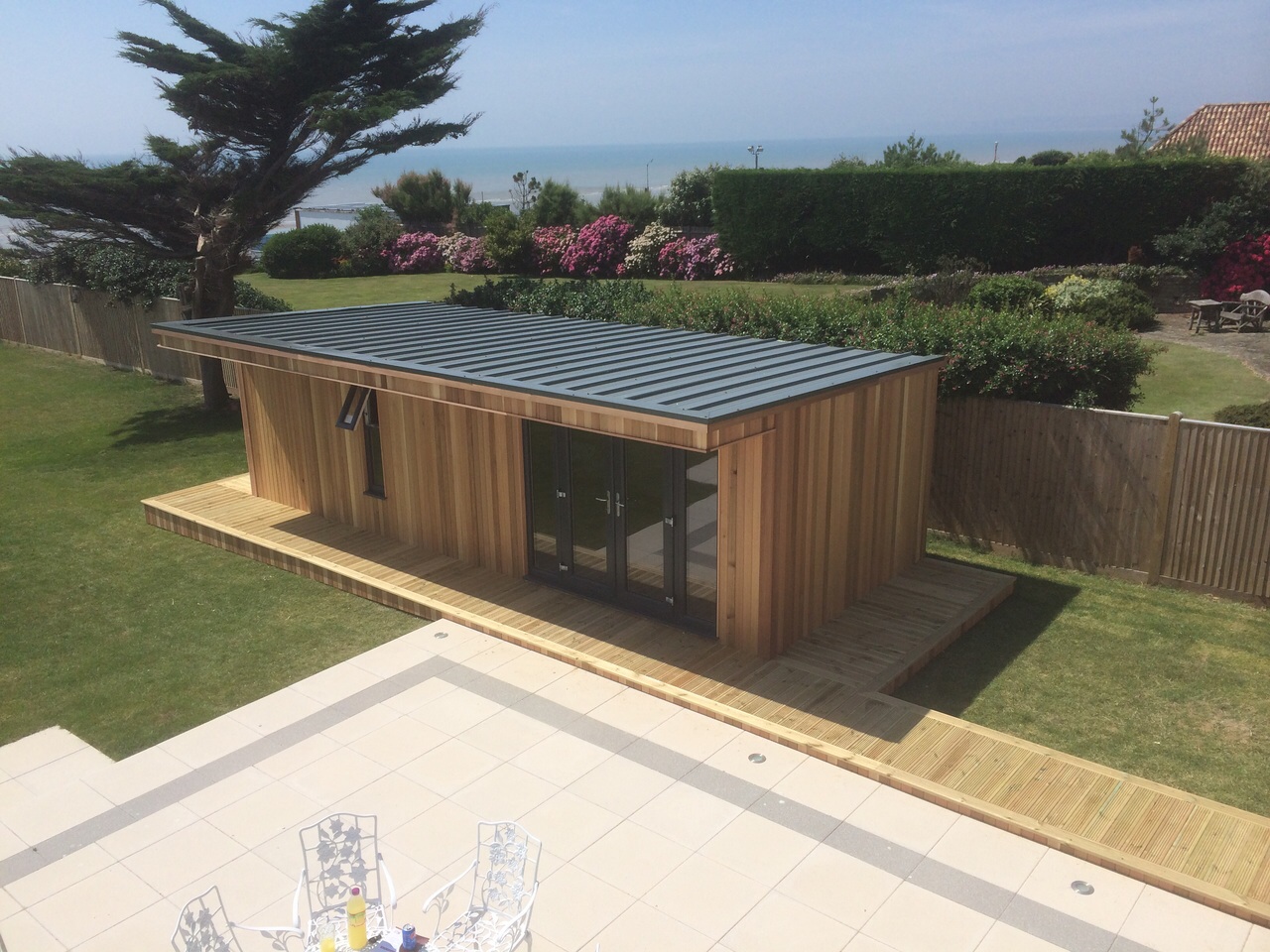
As homeowners continue to embrace sustainable living and seek greater energy independence, solar panels are no longer just a consideration for the main house—they’re now increasingly being installed on garden rooms. Whether you're using your garden room as a home office, gym, studio, or guest accommodation, powering it with solar energy might seem like a forward-thinking and cost-effective solution. But is it really worth it? In this detailed guide, we’ll explore the benefits, costs, considerations, and potential returns of installing solar panels on a garden room. By the end, you'll have a clear understanding of whether solar is the right move for your garden space.
The Rise of Solar Power in the UK
Solar energy has become one of the most accessible and popular renewable energy options in the UK. With government incentives, dropping equipment prices, and a growing awareness of climate change, thousands of homes across the country have installed photovoltaic (PV) panels on their roofs. Traditionally, these installations have been limited to the main house, but as garden rooms become more advanced and self-sufficient, many homeowners are now considering solar power to make them even more efficient.
Why Consider Solar Panels on a Garden Room?
The modern garden room is often equipped with lighting, heating, electrical outlets, and even internet-connected devices. This makes them a natural candidate for solar power, especially if you want to offset energy costs, reduce your carbon footprint, or create an off-grid or semi-off-grid retreat. Solar panels on a garden room offer the potential to power all your activities in the space—whether it’s running your computer during work hours, lighting up the room in the evenings, or charging your gym equipment.
Key Benefits of Solar-Powered Garden Rooms
1. Reduced Energy Bills
Installing solar panels means generating your own electricity, which reduces reliance on the grid. For garden rooms used regularly—such as offices or studios—the savings can add up quickly, especially with current energy prices. While you might not run heavy appliances, even small usage adds up over time, and solar helps mitigate these costs.
2. Energy Independence
A solar-powered garden room allows you to create a partially or fully self-sustaining space. This is especially appealing if you want your garden room to be fully detached from your home systems or if it's situated far from the main property and running electricity cables would be expensive.
3. Environmental Impact
Every kilowatt-hour of solar power you generate offsets electricity that would otherwise be pulled from the grid—most of which still relies on fossil fuels. Reducing your carbon footprint is one of the biggest advantages of solar power and is an investment in a cleaner, greener future.
4. Future-Proofing Your Property
Energy efficiency is a key selling point for modern homes. Buyers are increasingly looking for eco-conscious features. A garden room with integrated solar energy not only adds a premium feel but also demonstrates long-term cost-saving potential.
5. Battery Storage Options
When paired with battery storage, solar panels allow you to use the energy you generate even after the sun goes down. This is ideal for garden rooms used in the evenings, such as entertainment spaces, lounges, or therapy rooms. It also means fewer interruptions and increased reliability.
How Much Power Can You Expect?
The amount of electricity your solar garden room can produce depends on several factors, including panel size, number of panels, orientation, location, and the time of year. In the UK, a single 400W panel might generate around 1.2 kWh per day in the summer and about 0.3 kWh per day in the winter. A small garden room might only need 2–4 panels to cover typical usage such as LED lighting, a small electric heater, charging devices, or powering a laptop. Larger setups can support even more functionality.
Cost of Installing Solar Panels on a Garden Room
Installing solar panels on a garden room is more affordable than on a large residential roof, due to the reduced number of panels and simpler access. However, the cost can still vary depending on panel quality, number of panels, and whether you include battery storage.
-
Basic 1kW system (2–3 panels): £1,500–£2,500
-
Larger 2–3kW system: £3,000–£5,000
-
Battery storage (optional): £2,000–£4,000
While this might seem like a significant upfront cost, it’s important to factor in long-term savings and potential increases in property value. Over time, the system pays for itself, particularly if you use your garden room frequently.
Do You Need Planning Permission?
In most cases, solar panels on garden rooms fall under permitted development rights and don’t require planning permission, provided the system is installed below a certain height and doesn’t face a road. However, if your property is listed or located in a conservation area, or if the garden room is unusually large or close to boundaries, it’s best to check with your local planning authority. Some councils may have specific restrictions regarding the visual impact or reflectivity of solar panels, especially in sensitive areas.
Can All Garden Rooms Support Solar Panels?
Not necessarily. To install solar panels, your garden room must have a structurally sound roof capable of bearing the panels' weight. Most high-quality garden rooms built with composite or timber frames and insulated roofs can accommodate panels with little to no reinforcement. Flat or gently sloped roofs are ideal, and some manufacturers can custom-design the roof with solar integration in mind. If you’re still in the planning phase of your garden room, this is the perfect time to factor in solar compatibility.
Grid-Tied vs Off-Grid Solar Systems
When considering solar panels for your garden room, you’ll need to decide between grid-tied and off-grid systems.
-
Grid-tied systems connect your garden room to your home’s electricity system or directly to the national grid. These are more flexible and allow you to use grid power when solar energy isn’t sufficient. They can also let you export surplus energy, potentially earning you money through schemes like the Smart Export Guarantee (SEG).
-
Off-grid systems are completely independent and rely solely on the energy you generate and store. This is useful if your garden room is far from your main house or if you want full autonomy, but it requires batteries and careful energy planning to avoid outages.
Each has its pros and cons. Grid-tied systems are typically more reliable, but off-grid options offer more independence and can be ideal for remote garden rooms or eco-conscious users.
Maintenance and Longevity
One of the major advantages of solar panels is that they require very little maintenance. Most systems only need occasional cleaning and a visual inspection to ensure everything is working correctly. Panels usually come with a 20–25 year performance warranty, and inverters typically last 10–15 years. This makes them a reliable, long-term solution for powering your garden room with minimal ongoing costs.
Integrating Solar with Smart Home Features
If you're building a modern garden room, chances are you’ll be integrating smart technology—automated lighting, heating, and security systems, for instance. Solar panels pair perfectly with this kind of setup. With the right system, you can monitor your solar energy generation in real-time, control when devices use power, and optimise your energy use throughout the day. Combined with battery storage and intelligent scheduling, you can achieve remarkable efficiency and convenience.
The Financial Payback
While the payback period for solar panels varies based on usage and local energy tariffs, most UK homeowners recover their investment in 7 to 12 years, particularly when using the garden room frequently. Over a 25-year lifespan, the savings can run into the thousands of pounds. Add battery storage and you can dramatically reduce your dependence on the grid. If energy prices continue to rise, as they have in recent years, the savings could become even more significant.
Are There Any Drawbacks?
While solar panels offer numerous advantages, there are a few potential downsides to consider:
-
Initial investment: The upfront cost can be high, especially with battery storage.
-
Space limitations: Small garden rooms may not have enough roof space for more than a few panels.
-
Sunlight exposure: If your garden room is shaded by trees or other buildings, energy generation may be limited.
-
Return on investment: If you only use your garden room occasionally, the payback time will be longer.
However, in most cases, these issues can be mitigated with proper planning, efficient design, and selecting the right size system for your needs.
Summary: Is It Worth It?
So, is installing solar panels on a garden room worth it? For most homeowners, the answer is yes—especially if the garden room is used regularly and energy consumption is moderate to high. With long-term savings, environmental benefits, increased property value, and the ability to create an energy-efficient lifestyle space, solar panels are a smart addition to any modern garden room. The decision becomes even easier if you’re in the design or build phase of your project, as you can incorporate solar integration from the outset and benefit from optimal placement and efficiency.
Whether you’re building a cutting-edge home office, a fully equipped gym, or a tranquil retreat, powering it with solar energy isn’t just environmentally responsible—it’s financially sensible, future-proof, and perfectly aligned with how we live today.