
The Ideal Garden Room Setup for Remote Workers
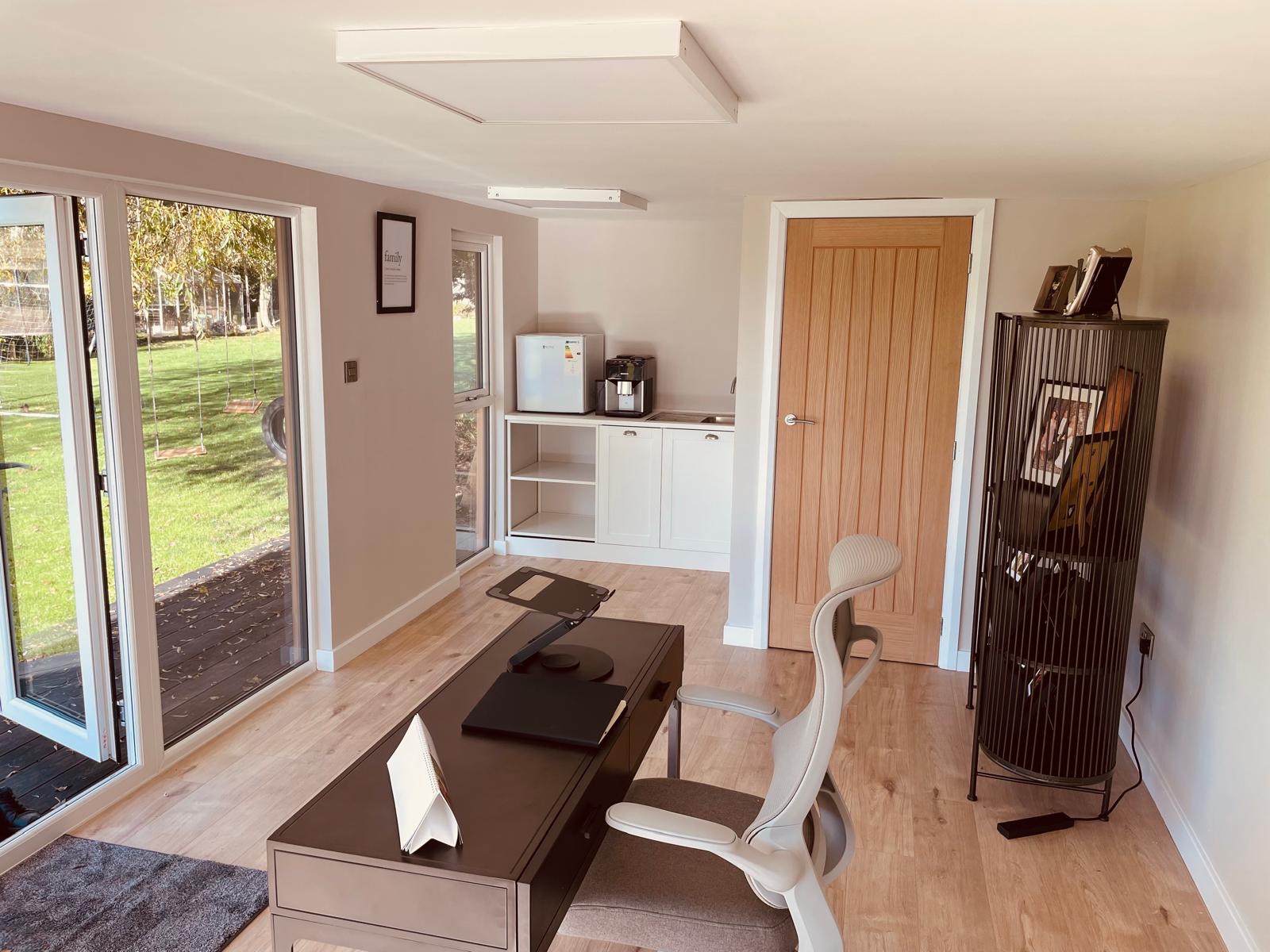
Remote work has transformed the modern professional landscape. No longer confined to long commutes, rigid office hours, and uninspiring cubicles, more people than ever are working from home. But while the flexibility and comfort of remote work are appealing, they also present new challenges—especially when it comes to separating work from personal life, maintaining focus, and creating a professional environment within a domestic setting. That’s where a garden room office comes in. Purpose-built, fully insulated, and completely separate from your home, a garden room can provide the ideal remote working environment. In this guide, we’ll explore the key elements of the perfect garden room setup for remote workers, from layout and design to tech and wellbeing.
Why a Garden Room Is the Ultimate Work-From-Home Solution
Working from your kitchen table or spare bedroom might be convenient, but it’s rarely optimal. Domestic distractions, lack of space, and poor ergonomic setups can all hamper productivity and affect mental wellbeing. A garden room solves these issues by providing a dedicated workspace physically separated from the main house. That separation alone helps establish clearer work-life boundaries. When you “go to work” by walking across the garden, you mentally shift into a professional mindset, and when you’re finished, you can leave it all behind and return home. With excellent insulation, year-round usability, natural light, and custom layouts, garden rooms are tailored to enhance your work environment and overall lifestyle.
Choosing the Right Size and Layout
One of the first decisions you’ll need to make is the size of your garden room. This depends on your work needs—are you a solo freelancer, or do you need space to meet clients or collaborate with a team? A compact 3m x 2.5m office might be perfect for a writer or developer, while a larger 5m x 3m room could comfortably accommodate two desks, storage units, and a breakout area. Think about your workflow. Do you need a standing desk? Room for multiple monitors? Storage for equipment or files? Do you want a separate zone for video calls or creative brainstorming? These requirements should shape the internal layout and help you decide on features like built-in shelving, custom desks, or soundproofing panels.
Insulation and Climate Control
One of the biggest advantages of a purpose-built garden room over a converted shed or outbuilding is its insulation. High-quality insulation in the floor, roof, and walls ensures your workspace remains comfortable throughout the year—cool in summer and warm in winter. Double or triple glazing, breathable vapour membranes, and thermally efficient cladding all contribute to a consistent interior climate. For heating, electric panel heaters or underfloor heating systems are popular and efficient options. If your garden room gets direct sun exposure, you may also consider air conditioning or ceiling fans for the summer months. A consistent, comfortable temperature helps you stay focused and prevents fatigue caused by draughts or stuffy air.
Lighting: Natural and Artificial
Lighting can significantly impact your mood, energy levels, and productivity. One of the major benefits of a garden office is access to natural light. Position your desk near a window or set of bi-fold doors to make the most of it. Natural light not only reduces eye strain and improves focus but also supports your circadian rhythm, helping you maintain healthy sleep patterns. However, natural light alone isn’t enough—especially in the UK’s darker months. Layer your lighting with ceiling-mounted LED panels, adjustable task lamps, and ambient floor lighting. Smart lighting systems that adjust colour temperature based on the time of day can enhance wellbeing and support deep work or video calls.
Desk and Ergonomics
A professional workstation should support your health as well as your productivity. Invest in a quality desk with sufficient surface area for your equipment and workspace style. For example, designers and architects may need large, flat surfaces, while coders might prefer multi-monitor setups. Adjustable standing desks are growing in popularity as they allow for posture variation throughout the day. Pair your desk with an ergonomic chair that supports your lower back, arms, and neck. Consider accessories like a footrest, monitor riser, or laptop stand to reduce strain. Don’t underestimate the importance of an ergonomic setup—over time, poor posture can lead to serious discomfort and chronic pain.
High-Speed Internet and Power Supply
A reliable internet connection is essential for remote work. If your home Wi-Fi doesn’t reach your garden room reliably, invest in a mesh network system or have an Ethernet cable professionally installed. For those who rely on cloud services, video conferencing, or large file transfers, consistent, high-speed internet isn’t optional—it’s vital. Make sure your garden room includes ample power sockets, ideally with USB charging ports. If you’re using multiple devices, consider having dedicated circuits installed to handle your load safely. Built-in cable management can help keep your workspace tidy and reduce trip hazards or clutter.
Video Call Readiness
Video conferencing is a part of daily life for many remote workers. Your garden office should include a professional backdrop for calls—think clean walls, bookshelves, or framed art. Avoid sitting with a window directly behind you to prevent backlighting. You can also install a ring light or desk lamp to illuminate your face evenly. Acoustic treatments like soft rugs, wall panels, or curtains help reduce echo and improve sound quality, making your calls clearer and more professional. For those hosting frequent meetings or webinars, consider a dedicated corner with a mounted webcam, mic, and lighting setup that’s always ready to go.
Storage and Organisation
Good storage solutions help maintain order and reduce visual clutter. Built-in shelving, filing cabinets, floating wall units, and hidden drawers all contribute to a tidy, efficient space. If you’re working with sensitive information or valuable equipment, include lockable storage for added security. Wall-mounted whiteboards, corkboards, or pinboards can help you track tasks and stay visually organised. Remember, a clutter-free space leads to a clutter-free mind. Even if your job is digital, you’ll likely accumulate paperwork, books, tools, or tech accessories over time—so plan your storage from the outset.
Style and Personalisation
Your garden room is an extension of your home and your personal brand. Whether you prefer a minimalist Scandi aesthetic, a dark and moody industrial look, or a creative, eclectic studio vibe, the décor should inspire and energise you. Choose a calming colour palette for walls—neutrals and soft tones tend to enhance focus. Use natural materials like wood, cork, or wool for warmth and texture. Add art, plants, or meaningful objects that personalise the space without overcrowding it. Your office should feel like a place you want to spend time in—not just somewhere you have to be.
Enhancing Productivity and Wellbeing
The ideal remote work setup supports both productivity and wellbeing. Incorporate greenery—indoor plants help purify the air and reduce stress. Use scent diffusers or candles with essential oils like lavender or citrus for focus and calm. Include a small area for movement or relaxation, such as a yoga mat or reading chair. Don’t forget about sound—some people work best in silence, while others prefer music or white noise. If the surrounding area is noisy, consider acoustic glazing or soundproofing. Small touches like a kettle, coffee machine, or water dispenser can save you trips back to the main house and keep you hydrated and energised.
Security and Privacy
Security is especially important if your work involves confidential documents or expensive tech. Ensure your garden room has secure locks on all doors and windows. External lighting, CCTV cameras, or motion detectors can offer peace of mind, especially during darker months. For privacy, consider installing blinds or frosted windows, particularly if your garden is overlooked. If you’re storing client files, intellectual property, or work laptops in the space overnight, it’s worth insuring the contents separately or adding them to your home insurance policy.
Sustainability and Energy Efficiency
A modern garden office doesn’t have to come at a high environmental cost. Many garden rooms are built using sustainable timber, composite materials, and recycled insulation. LED lighting, programmable thermostats, and smart plugs help reduce energy consumption. Solar panels or green roofs can further boost sustainability while helping regulate internal temperature. If eco-friendliness is important to you, choose a provider that shares your values and uses sustainable construction methods. Not only will this reduce your carbon footprint, but it may also result in lower running costs over time.
Zoning and Multi-Use Flexibility
Although your primary focus is remote work, your garden room can serve multiple purposes. Zoning the space allows it to adapt as your needs evolve. For example, one corner might be used for work, another for exercise, and a third as a reading nook or occasional guest room. Foldable desks, movable dividers, and modular furniture help support this versatility. As hybrid working patterns become more common, having a flexible space that can transition from office to hobby room or relaxation space adds long-term value and enjoyment.
Maintenance and Upkeep
Fortunately, modern garden rooms are low-maintenance. Composite cladding, aluminium window frames, and high-quality roofing materials all contribute to longevity and resistance to weather. Regular checks of seals, electrics, and external finishes help maintain performance. Internally, keeping the space clean and clutter-free will ensure it remains a comfortable place to work. Choose durable flooring such as luxury vinyl tile (LVT) or engineered wood that can withstand daily wear without fuss.
Planning Permission and Regulations
Most garden rooms fall under permitted development rights and don’t require planning permission if they meet certain size and placement criteria. However, if your garden office includes plumbing or is positioned close to a boundary, it's best to check with your local authority. At Oeco Garden Rooms, we design all our structures to comply with UK building regulations and permitted development rules, ensuring peace of mind during installation and beyond. We also offer free site surveys and guidance to make the process smooth and stress-free.
Final Thoughts
The ideal garden room setup for a remote worker combines comfort, efficiency, and inspiration. It offers a professional environment that’s separate from your home life but close enough to maximise flexibility. From choosing the right layout and insulation to designing a space that reflects your personality and work style, every detail counts. With the right setup, your garden office can improve productivity, support wellbeing, and enhance your overall quality of life. In a world where remote work is here to stay, investing in a bespoke garden room is more than a luxury—it’s a strategic lifestyle upgrade.