
The ROI of a Garden Room: How Much Value Will You Get Back?
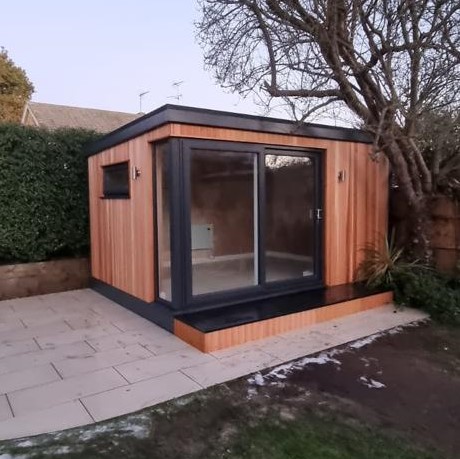
Investing in your home is always a big decision, and one of the most common questions homeowners ask before committing to a project is: “Will this add value to my property?” Garden rooms have exploded in popularity over recent years, with more people seeking additional space for work, leisure, or family life without the hassle and cost of moving house. But beyond lifestyle benefits, do garden rooms make financial sense? In this comprehensive guide, we’ll break down the return on investment (ROI) of a garden room, explore how much value it can add to your home, and explain why, in many cases, a garden room is one of the smartest property upgrades you can make.
Why Garden Rooms Are in High Demand
The way we use our homes has evolved. With the rise of hybrid working, home gyms, creative studios, and multi-generational living, homeowners now want flexible spaces that adapt to their needs. A garden room provides exactly that—a private, purpose-built structure designed for year-round comfort. Unlike traditional extensions, they are quicker to build, cost-effective, and don’t usually require planning permission. Because of these advantages, demand for garden rooms has surged, and buyers are now actively seeking properties that already have one installed. As a result, they’ve become a highly desirable feature, directly influencing your home’s resale value and market appeal.
How Much Value Can a Garden Room Add?
While the exact figure depends on factors like size, quality, and location, studies and estate agents suggest a well-built garden room can add 5% to 15% to your property’s value. On an average UK home priced at £300,000, that equates to a potential uplift of between £15,000 and £45,000. This figure becomes even more compelling when compared with the cost of installation, which typically starts around £15,000 to £20,000 for a high-quality build.
Why such a significant uplift? Because a garden room is more than an aesthetic feature—it’s additional living space. Buyers increasingly view garden rooms as multi-functional extensions: a dedicated home office, guest accommodation, wellness studio, or entertainment hub. In today’s property market, that flexibility translates directly into higher demand and stronger resale prices.
The Rise of Remote Working and Garden Offices
One of the biggest drivers of ROI for garden rooms is the shift towards remote working. Since 2020, home offices have become one of the most sought-after property features, with estate agents reporting increased buyer willingness to pay a premium for homes that already include one. A dedicated, insulated, and private garden office offers huge appeal compared to a cramped corner of a living room or spare bedroom.
For homeowners in areas with higher property values—such as London or commuter belts—this effect is amplified. Buyers seeking a work-from-home setup are often prepared to spend more upfront rather than face the additional hassle and expense of installing a garden office themselves. In other words, the cost of your garden room isn’t just recovered; it can often be exceeded if marketed correctly.
Cost vs Value: Why Garden Rooms Make Financial Sense
While property extensions and loft conversions can add significant value, they come with drawbacks: high upfront costs, long construction timelines, planning hurdles, and major disruption to your home life. A garden room offers a streamlined alternative.
-
Lower upfront costs: Compared to a typical single-storey extension, which often costs between £40,000 and £70,000, garden rooms start at around £15,000 for a fully insulated, high-quality build.
-
Faster installation: Most garden rooms can be installed in 2–3 weeks, with minimal disruption.
-
No planning permission needed: In most cases, garden rooms fall under permitted development rights as long as size and placement rules are followed.
-
Immediate lifestyle benefits: Unlike some home upgrades that only pay off on resale, garden rooms improve your quality of life from day one.
When you combine these factors with their strong resale value, it’s clear why many homeowners see garden rooms as an investment rather than a cost.
Factors That Influence ROI
Not all garden rooms are created equal. If you want to maximise your return, there are several factors to consider:
1. Build Quality
The better the materials and craftsmanship, the higher the perceived value. Buyers can easily spot the difference between a premium, fully insulated structure and a budget shed conversion. Features like composite cladding, insulated walls, aluminium glazing, and high-spec finishes can significantly boost ROI.
2. Year-Round Usability
A garden room designed for all seasons is far more valuable than one that’s only comfortable in summer. Proper insulation, double glazing, and efficient heating are must-haves if you want to appeal to future buyers.
3. Size and Functionality
While larger rooms tend to add more value, flexibility matters most. A compact 3m x 3m office has wide appeal, but a 6m x 4m garden room with a bathroom or kitchenette opens up options for guest accommodation, studios, or even Airbnb rentals, making it even more desirable.
4. Location and Market Trends
ROI also depends on where you live. In areas with higher property prices, the uplift from a garden room is often proportionally greater. Equally, as remote working becomes the norm, properties offering dedicated spaces for work or recreation command higher premiums across the UK.
5. Design Aesthetics
The appearance of your garden room matters. A sleek, modern design that blends seamlessly with your garden and complements your home’s architecture will always attract more attention than a basic, prefabricated box.
Garden Rooms vs Other Home Improvements
Homeowners often compare garden rooms to other popular upgrades like loft conversions, conservatories, and extensions. Here’s how they stack up:
-
Loft conversions can add significant value but often cost upwards of £40,000 and involve months of disruption.
-
Conservatories are cheaper but less versatile. Older designs often suffer from poor insulation, making them unusable year-round and less attractive to buyers.
-
Extensions are functional but expensive, requiring planning permission, major groundwork, and a lengthy build timeline.
Garden rooms, by contrast, provide a cost-effective balance between investment, usability, and value added.
Lifestyle ROI: Beyond Property Value
Financial ROI is important, but it’s not the whole story. Garden rooms deliver significant lifestyle returns that, while harder to quantify, add immense value to your daily life:
-
Work-life balance: A dedicated home office reduces distractions and creates clear boundaries between home and work.
-
Family harmony: A separate space for hobbies, workouts, or entertainment frees up room inside the house, reducing household friction.
-
Health and wellbeing: Natural light, quiet surroundings, and access to green space make garden rooms ideal for stress reduction and mental health.
-
Income potential: A well-equipped garden room can generate revenue as a rental space, treatment room, or creative studio.
These lifestyle enhancements make the initial investment more than worthwhile, even before considering property resale value.
Future-Proofing Your Home
A high-quality garden room doesn’t just add value today—it also future-proofs your property. With hybrid working trends expected to continue and multi-generational living on the rise, demand for versatile, detached living spaces will only grow. Whether it’s used as a home office, gym, therapy room, or private annexe, a garden room ensures your property appeals to a broader range of buyers in the years ahead.
Maximising Your ROI
To get the most out of your investment, follow these tips:
-
Choose premium materials like composite cladding and aluminium frames for durability and aesthetics.
-
Insist on full insulation to guarantee year-round usability.
-
Incorporate utilities such as electrics, plumbing, and climate control where possible.
-
Design for flexibility so the room can adapt to different uses over time.
-
Position strategically within your garden to maximise privacy, light, and kerb appeal.
By working with a reputable provider who focuses on quality, you ensure your garden room remains an asset rather than a liability.
Final Thoughts
A garden room isn’t just an attractive lifestyle upgrade—it’s a smart financial decision. With the potential to add 5% to 15% to your property’s value, provide immediate functional space, and future-proof your home, it offers one of the best returns on investment among home improvements. Compared to conservatories, extensions, or loft conversions, a high-quality garden room delivers a rare combination of affordability, versatility, and long-term value.
If you’re considering installing a garden room, think of it not just as extra space, but as an investment in your property, lifestyle, and future. Done right, it pays dividends from day one and continues to deliver value for years to come.