
What Makes a Garden Room "Low Maintenance"?
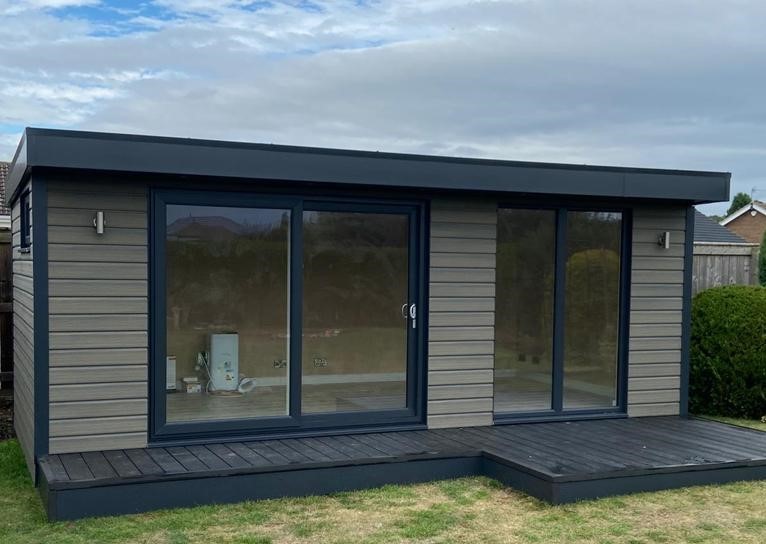
When you’re investing in a garden room—whether for a home office, gym, studio or entertaining space—one of the most important criteria to factor in is maintenance. A garden room may look sleek and stylish on day one, but if it demands frequent upkeep, repainting, repairs or replacements, it quickly becomes a headache instead of a solution. So what truly makes a garden room “low maintenance”? In this article we’ll explore the key design, material and construction features that define low?maintenance garden rooms, why these features matter long?term (both in cost and usability), how to evaluate claims of “zero maintenance,” and how you can specify your garden room to minimise future upkeep.
Why “low maintenance” matters
Before diving into features, let’s consider why low maintenance really matters in the garden room context. Many homeowners opt for a garden room specifically for the benefits of additional space, separation from the main house, and year?round usability. But if the structure demands constant work—regular painting, cladding repairs, roofing fixes or leaks—the logic of simplicity and convenience is undermined. A genuinely low?maintenance garden room:
-
Saves you time and effort in upkeep
-
Minimises future costs associated with deterioration
-
Retains its appearance longer, maintaining value and usability
-
Reduces disruption (less need for scaffolding, repainting, re?roofs)
-
Enhances enjoyment — you use the space, you don’t spend your weekends fixing it
In short: the upfront specification of a garden room matters almost as much as the size or design when it comes to long?term satisfaction.
What "maintenance" really involves
When we talk about maintenance in a garden room, what are the actual tasks or issues that create workload? Common maintenance demands include:
-
Timber cladding becoming weathered, fading, cracking or splitting
-
Painted or stained external surfaces needing refreshing every few years
-
Roofing materials (felt, nails, fixings) deteriorating, causing leaks or repairs
-
Decking or base surfaces warping, rotting or splitting
-
Windows/doors requiring re?sealing, repainting, or adjustment
-
Insulation or internal finishing showing drafts or signs of damp because external fabric allowed moisture ingress
-
Guttering, flashing, trims requiring regular cleaning or failing due to exposure
-
External finishes losing colour, becoming moss covered, or requiring jet?washing
Any one of these can turn a bespoke garden room into a time?sucking chore. The aim of a low?maintenance design is to eliminate or dramatically reduce these recurring tasks.
Key features of low?maintenance garden rooms
Let’s look at the specific design and material features that contribute most to low?maintenance performance. A combination of premium specification and smart detailing yields the best results.
Durable exterior cladding
Exterior walls face the brunt of the British weather: rain, wind, UV, frost, temperature cycles. Choose materials that resist this exposure. Some examples:
-
Composite cladding: Many garden room specialists now specify composite materials (recycled wood fibre?/ plastic blends) that offer wood?look aesthetics but without the rot, warping or annual treatment of timber. These are often described as “maintenance free” because you’ll never need to sand, stain or repaint.
-
High?grade timber with factory treatment: If you prefer natural wood, ensure it is robustly treated and finished at the factory level, and adopt a cladding species with proven resistance (cedar, larch, accoya). Even so, some maintenance will still be needed compared to composites.
-
Fibre?cement, aluminium or premium metal cladding: Less common but inherently durable and low?maintenance.
The key is materials that don’t deteriorate quickly, hold their appearance, and don’t demand frequent finishing.
Weatherproof roofing and proper detailing
The roof is the biggest risk area for leaks, damage and high?maintenance repair. Features that support low?maintenance include:
-
Premium roof membrane or durable interlocking roof panels instead of cheap felt or minimal finishes
-
Roof design with good drainage, minimal standing water, proper flashing, eaves and overhangs
-
Materials resistant to UV fading, moss, algae, and freeze–thaw cycles
-
Minimal roof penetrations, good flashing around any skylights/vents
A well designed roof delivers decades of service with very little work.
Quality doors, windows and seals
A garden room is only as weather?tight as its weakest join. To avoid ongoing maintenance issues:
-
Use high quality double?glazed doors/windows with durable frames (aluminium, high?grade uPVC, treated timber)
-
Ensure seals, gaskets and thresholds are designed for external use and are replaceable if needed
-
Overspec internal finishes such that if door/fabric shifts slightly the appearance remains good
A poorly sealed door or window sooner creates drafts, rot or damp issues—which then cascade into other maintenance problems.
Proper insulation and internal finishes
While insulation doesn’t directly affect upkeep, a well insulated garden room stays drier, avoids condensation and therefore reduces potential issues like mold, damp or warping of internal finishes. Internal finishes also contribute: avoid ultra?cheap materials that degrade quickly. Use moisture?resistant linings, quality floor finishes, and ensure ventilation is adequate.
Foundation and drainage design
A lot of maintenance issues arise from poor base or drainage. A low?maintenance garden room should include:
-
A robust level base (concrete pad, steel ground screws, or appropriate system) that stays dry and resists movement/settling
-
Good clearance from ground to structure so damp is minimised
-
Proper drainage around the base, gutters or channeling to avoid water pooling
-
Adequate ventilation beneath or around the base if present
If the base is well planned, many future problems—including rot, shifting structure, cracking—are reduced.
Minimal finish repetitions
The fewer surfaces that require repeated treatment (painting, staining, sealing), the lower the maintenance. For example: using composite cladding that never needs repainting, or metal flashings that don’t corrode or require re?painting.
Access for cleaning and servicing
Even the best garden room will need some servicing (e.g., cleaning gutters, replacing seals). A good low?maintenance design includes easy access to service points so tasks can be done quickly and safely without major disruption.
Warranty and quality of craftsmanship
A strong warranty on cladding, roofing and structural elements indicates confidence in low?maintenance performance. Also material choices should be accompanied by good craftsmanship—poor installation often creates maintenance issues no matter how good the materials.
How to evaluate “low maintenance” claims
When you see a supplier describe their garden room as “low maintenance” or “zero maintenance,” how do you objectively evaluate whether that claim is credible? Here are key questions to ask:
-
What is the cladding material and what finish does it require over time?
-
What roof system is used and what expected lifespan/maintenance is projected?
-
Have the doors/windows been specified for external year?round use and what guarantees exist?
-
What is the base/foundation design and how is drainage handled?
-
What level of insulation and condensation control is included? A room that becomes damp or cold may force higher heating bills or structural issues over time.
-
Are there warranties on the key external materials (cladding, roof, base) and what do they cover?
-
What does the supplier say about future maintenance tasks—how often are they expected? Are annual paint/stain cycles still required?
-
Has the installation been designed for ease of access for servicing?
If answers reveal that annual tasks like painting, staining, or re?roofing will be required, then the “low maintenance” tag may be oversold.
Specific material comparisons
Let’s compare how key materials perform in low?maintenance terms.
Timber cladding
Pros: warm natural look, good appeal
Cons: requires annual or bi?annual treatment (oil, stain), can fade or grey, may warp or crack in variable conditions, more vulnerable to moisture if not well detailed
Maintenance workload: high to moderate
Composite cladding
Pros: wood?look without stain/painting needs, resists rot, UV fading and warping, low maintenance finish
Cons: higher upfront cost, fewer custom finish options, may heat up more under direct sun (in some cases)
Maintenance workload: very low
Metal/aluminium cladding or high?grade fibre?cement
Pros: extremely durable, minimal maintenance, good lifespan
Cons: may look more industrial, higher cost, design may need detailing for cold bridge or condensation
Maintenance workload: very low
From this, if low maintenance is a priority, composite or premium non?timber claddings are often the smart choice.
Design details that support low maintenance
Beyond material choice, certain design decisions drastically reduce the future workload.
-
Overhangs and roof eaves: These protect wall cladding from excessive rain and dripping, reducing weathering.
-
Minimal exposed fixings: Fewer visible screws or fasteners reduce potential points of deterioration.
-
Good flashing and sealing: Quality detailing around windows, doors, joints and roof edges prevents leaks or water ingress that can force maintenance.
-
Ventilation and condensation control: Moisture trapped behind cladding or in roofs leads to rot and hidden damage. Ensuring good ventilation or breathable membranes avoids that.
-
Low platform and clear base: Keeping the building off ground moisture and ensuring a clear perimeter reduces damp risks.
-
Simplified external colour and finish palette: Opting for a neutral or darker colour finish that resists showing dirt and fading extends visual appeal without repainting.
-
Self?draining surfaces: Ensuring the surrounding ground slopes away from the building, gutters are hidden and water is managed prevents pooling which later causes base or sub?structure damage.
Operational aspects: what you still should expect
Even the best low?maintenance garden room will not be completely zero maintenance. Realistically the user should expect minimal tasks, for example:
-
Cleaning windows and doors occasionally (especially from bird droppings, pollen, general debris)
-
Clearing gutters or inspecting roof flashings once a year
-
Checking seals around doors/windows and re?sealing if necessary (once every few years rather than annually)
-
Occasional cleaning of external cladding to remove mould or algae (though this might just be a rinse)
-
Monitoring the base for settlement, vegetation encroachment or drainage issues
These tasks are expected, but are minor and infrequent compared to repainting walls or re?roofing.
Long term value of low?maintenance garden rooms
Choosing low?maintenance specification delivers value in multiple ways:
-
Reduced lifetime cost: You avoid the repeated cost of maintenance (paint, labour, repairs). Over a 10? or 20?year period this adds up significantly.
-
Increased usable time: Less downtime for repairs means your garden room remains usable more of the year.
-
Better resale appeal: Future buyers appreciate a build with minimal ongoing upkeep; a structure with visible wear or maintenance needs may reduce appeal.
-
Peace of mind: You can use your space for productivity or leisure—as intended—rather than spending weekends repairing it.
Common pitfalls when “low maintenance” isn’t really delivered
Here are some red flags that indicate a garden room may require more upkeep than advertised:
-
Timber cladding without guarantee or treatment schedule specified
-
Roofing described as “budget felt” or low specification without durability data
-
Windows/doors with minimal or no outside seals or poor threshold detailing
-
Poor base / drainage design (e.g., structure built flush with ground or no drainage around perimeter)
-
Lack of reference to warranties or expected lifespan of key materials
-
Claims of “zero maintenance” but fine print reveals required annual repainting or staining
Specifying your garden room for minimal future work
When commissioning a garden room with low?maintenance performance in mind, here is a checklist to work through:
-
Cladding: Choose composite or high?grade non?timber cladding with little or no finishing required.
-
Roofing: Select a premium system with long lifespan and good weather resistance.
-
Windows/doors: Opt for external?grade frames, good seals, and glazed units intended for permanent external use.
-
Base and drainage: Ensure the base has clearance from damp ground, good foundation and proper surface water drainage.
-
Condensation control: Make sure insulation, ventilation and membranes are all included so internal environment remains stable.
-
Colour/finish: Choose finishes that resist fading or show dirt less easily; avoid bright whites or overly light exteriors if you want minimal upkeep.
-
Warranty: Check warranties for cladding, roofing, doors/windows and structure; longer warranties indicate confidence in durability.
-
Maintenance plan: Ask the supplier what maintenance tasks are still expected, how often and what cost.
By working through this checklist, you ensure you are specifying a garden room that genuinely delivers on the “low maintenance” promise.
Why premium garden room builds often cost more—but are worth it
If you compare a basic shed?style garden room versus a premium build with all the low?maintenance features, upfront cost will inevitably be higher. But that extra cost buys you: better materials, longer lifespan, minimal upkeep, better internal environment, less chance of repair costs. Over the lifetime of the building, the premium choice often represents better value. Time saved, repair costs avoided, better usability and higher resale value all stack up. A low?maintenance garden room is therefore not just a convenience—it is a smarter investment.
Conclusion
If you’re planning a garden room and want it to last, perform well and require as little maintenance as possible, you need to look beyond size and design. Focus on materials, construction detailing, insulation, drainage and ease of service. Choose claddings that don’t demand annual painting, roofing systems that don’t degrade quickly, doors/windows that are built for external conditions, and a base/foundation that resists settlement and damp. Ask suppliers tough questions about what “low maintenance” really means and check for warranties and credible specification. Done well, a low?maintenance garden room will give you years of enjoyment, minimal work and strong value.