
What`s Included in a Garden Room Price Quote?
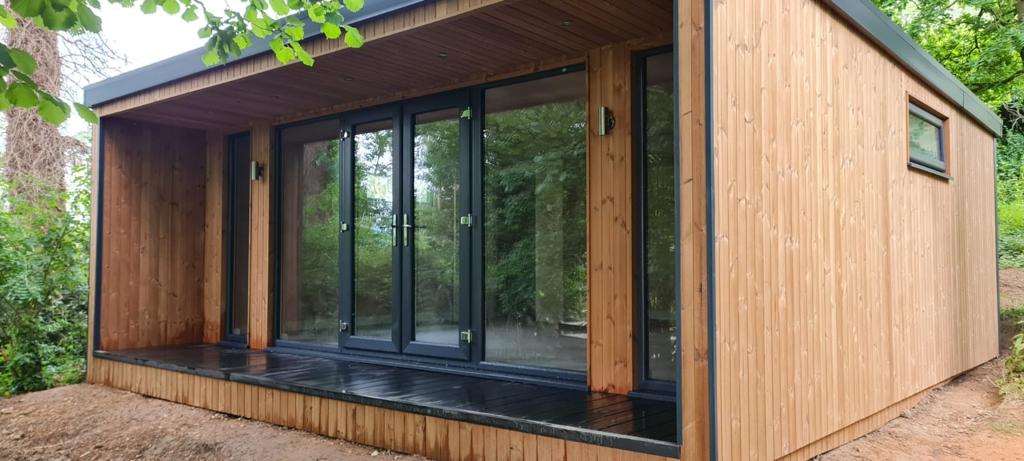
At first glance, a garden room price quote might seem straightforward: a structure at the end of your garden with four walls, a roof, and perhaps some glazing. But a detailed and accurate quote for a modern, insulated garden room includes far more than the raw materials. It’s a composite of design, engineering, labour, services, compliance, and customisation—each layer impacting cost, timeline, and long-term value. If you're comparing quotes or planning your budget, it’s crucial to understand what’s included in a garden room price quote and where hidden extras may lurk. A high-quality quote shouldn’t just cover the basics. It should reflect your site conditions, usage needs, intended finishes, and long-term performance goals. In this guide, we’ll walk you through every component that should (and sometimes shouldn’t) appear in a professionally prepared garden room quote—from foundations and insulation to utility connections and VAT.
Initial Consultation and Design
Every garden room project begins with a conversation. A site visit or consultation is typically included in the quote process to assess access, ground conditions, surrounding features, and planning constraints. This step may include 3D sketches or technical drawings that give you a clear sense of what’s being proposed. Many reputable companies include basic design as part of the quoting service, especially for standard models. For bespoke builds, more detailed architectural drawings or visualisations may be chargeable. The clearer the design process at the outset, the more accurate and transparent your quote will be.
Groundworks and Foundations
Your garden room can only be as strong as the base it sits on. Quotes should include groundwork costs such as site clearance, levelling, and the type of foundation appropriate for your soil and building size. Common options include concrete slab foundations, ground screws with steel or timber frames, strip foundations for heavier or brick-finished rooms, and piled foundations in cases of poor soil or sloping ground. Make sure your quote clearly identifies the foundation type, size, depth, and what’s included—such as excavation, spoil removal, and damp-proof membrane. Skimping on this section is a red flag, as improper foundations lead to structural problems down the line.
Structural Materials
This section of the quote should detail the primary building materials, such as timber or SIPs (Structural Insulated Panels) for the frame, external cladding (e.g. cedar, thermowood, composite, render), roof structure and finish (EPDM rubber, fibreglass, metal, or tiled), insulation in walls, floor, and roof, and internal wall finish (plasterboard, painted MDF, or panelling). Higher-end quotes will also specify U-values for insulation and the expected thermal performance of the completed building. This information is crucial if you plan to use your garden room all year round or want to comply with building regulations.
Windows and Doors
Doors and windows can significantly affect both aesthetics and budget. A good quote will clearly itemise size and number of windows, material type (uPVC, aluminium, timber), double or triple glazing, type of doors (French, bifold, sliding, or single), hardware and locks, and ventilation compliance (trickle vents, opening lights). Don’t assume everything shown in marketing images is standard. Bifold doors, floor-to-ceiling glazing, and premium aluminium systems often come with a hefty price tag. Clarify whether these are included or listed as optional extras.
Roofing and Drainage
The roofing section of your quote should include flat or pitched roof design, roof finish (rubber, GRP fibreglass, zinc, or tiles), insulation layer and vapour control, guttering and rainwater downpipes, and drainage away from the structure. Some quotes omit drainage, expecting you to deal with rainwater management separately. This can lead to water pooling around the base or even damp ingress. Ensure the quote covers guttering and safe water dispersal, especially if you have heavy clay soil or poor natural drainage.
Interior Fit-Out
Interior finishes vary widely depending on your intended use. A garden office may only require plasterboard and sockets, while a guest room or gym might need full interior fit-out. Check your quote for plastered and painted walls and ceilings, skirting boards and architraves, laminate or engineered flooring, lighting (spotlights, pendant, wall lamps), and heating (electric panel, underfloor, or climate control). A thorough quote will also specify brands and finishes. For instance, “12mm oak-effect laminate” gives more clarity than “wood-style floor included.” Ambiguity here can result in budget upgrades down the line when the standard spec disappoints.
Electrical Installation
Almost all garden rooms include at least basic electrics, but capacity and quality vary. Your quote should define number and type of sockets, lighting points, consumer unit (fuse board), external lights or sockets, smoke/heat alarms if required, and armoured cable run to the main house. It should also specify whether a qualified electrician is installing the system and whether the quote includes testing and certification. For more demanding rooms—like those with electric heating, fridges, or AV setups—make sure the power supply is properly calculated. Underspec’d systems will trip constantly or require costly upgrades later.
Internet and Data Connectivity
In today’s hybrid work world, internet access isn’t a luxury—it’s essential. A comprehensive quote may include hardwired Ethernet (Cat-6 cable trenching), Wi-Fi boosters, USB charging ports, and AV/data cabling for smart TVs or speaker systems. Some companies provide this as an add-on service, while others assume you’ll handle it. Don’t wait until after the build to discover your Wi-Fi signal doesn’t reach the back of your garden.
Heating and Cooling Options
If your quote includes heating, it might specify electric wall panel heaters, underfloor heating systems, climate control/air-conditioning units, or eco heating options like infrared panels. For all-year-round use, ensure insulation levels match the heating type. Including a premium system in a poorly insulated room is like fitting a wood burner in a tent—it won’t solve the problem. Some quotes may also offer thermostats, timers, or smart app connectivity.
Plumbing and Waste (If Required)
If your garden room includes a WC, shower, or kitchenette, your quote should outline water supply pipe runs, wastewater connection to mains or soakaway, small-scale septic or pump systems (if required), sanitaryware fixtures (sink, toilet, tap brand), and hot water (instant heater or boiler). Plumbing adds significant cost and complexity. Ensure your quote reflects real distances to existing services and the need for trenching or pumps. Don’t rely on assumptions—what seems close on paper may be impractical without ground inspection.
Planning Permission or Building Regulations
Most garden rooms fall under permitted development, but if your structure is over 30m², used for sleeping, or near a boundary, you may need planning permission or building control approval. Some companies include these services, while others leave them to you. Clarify if the quote covers planning application drafting and submission, building control drawings, structural calculations, and regulatory inspections. Failure to address this early can halt your build or render it non-compliant.
Transport, Labour, and Installation
Your quote should also include all delivery and installation costs: transport of materials to site, labour for assembly, project management or site supervision, scaffolding if required, and final cleanup and handover. Some companies offer fast-track builds in as little as 5–10 days. Check whether this includes all internal finishing or if second-fix trades return later. Labour-only quotes that exclude plastering or snagging can lead to unexpected completion delays.
Optional Extras and Upgrades
Most suppliers offer a “base spec” with a menu of optional upgrades. These may include decking or landscaping around the garden room, integrated storage or shelving, acoustic insulation, solar panels or battery storage, custom cladding or decorative panels, and rooflights, skylights, or lanterns. Optional extras can quickly add thousands to your original quote. Be sure to distinguish between what’s included and what’s listed as upgradeable or “available upon request.”
VAT and Payment Terms
Some builders display prices excluding VAT—especially if they work under the VAT threshold or use subcontractors. Check whether VAT is included in your quote and clarify payment terms: deposit amount (often 20–30%), stage payments (e.g. after foundations, frame, completion), final balance due on handover, accepted payment methods, and cancellation or refund terms. Quotes from VAT-registered companies should always itemise VAT clearly to avoid misunderstandings.
Warranty and Aftercare
A professional quote should include details about structural warranty (typically 5–10 years), window and door guarantees, electrical and heating certification, maintenance advice, and aftercare visits or touch-ups. Some installers also offer snagging resolution after 30 days to allow you time to settle into the space. Clarify what support is offered post-build.
Conclusion: Transparency Is the Best Value
What’s included in a garden room price quote is more than a list of materials—it’s a roadmap for expectations, timelines, and total cost. The best quotes are clear, detailed, and tailored to your specific site and needs. They prevent surprises, streamline decision-making, and lay the foundation for a successful, stress-free project. Before signing any agreement or paying a deposit, take time to go line-by-line through the quote. Ask questions. Seek clarification. A good supplier will happily explain what’s covered and what’s optional. After all, a garden room isn’t just a purchase—it’s a long-term investment in how you live, work, and relax at home. The more transparent the quote, the better the outcome.