
What`s the Lifespan of a High-End Garden Room?
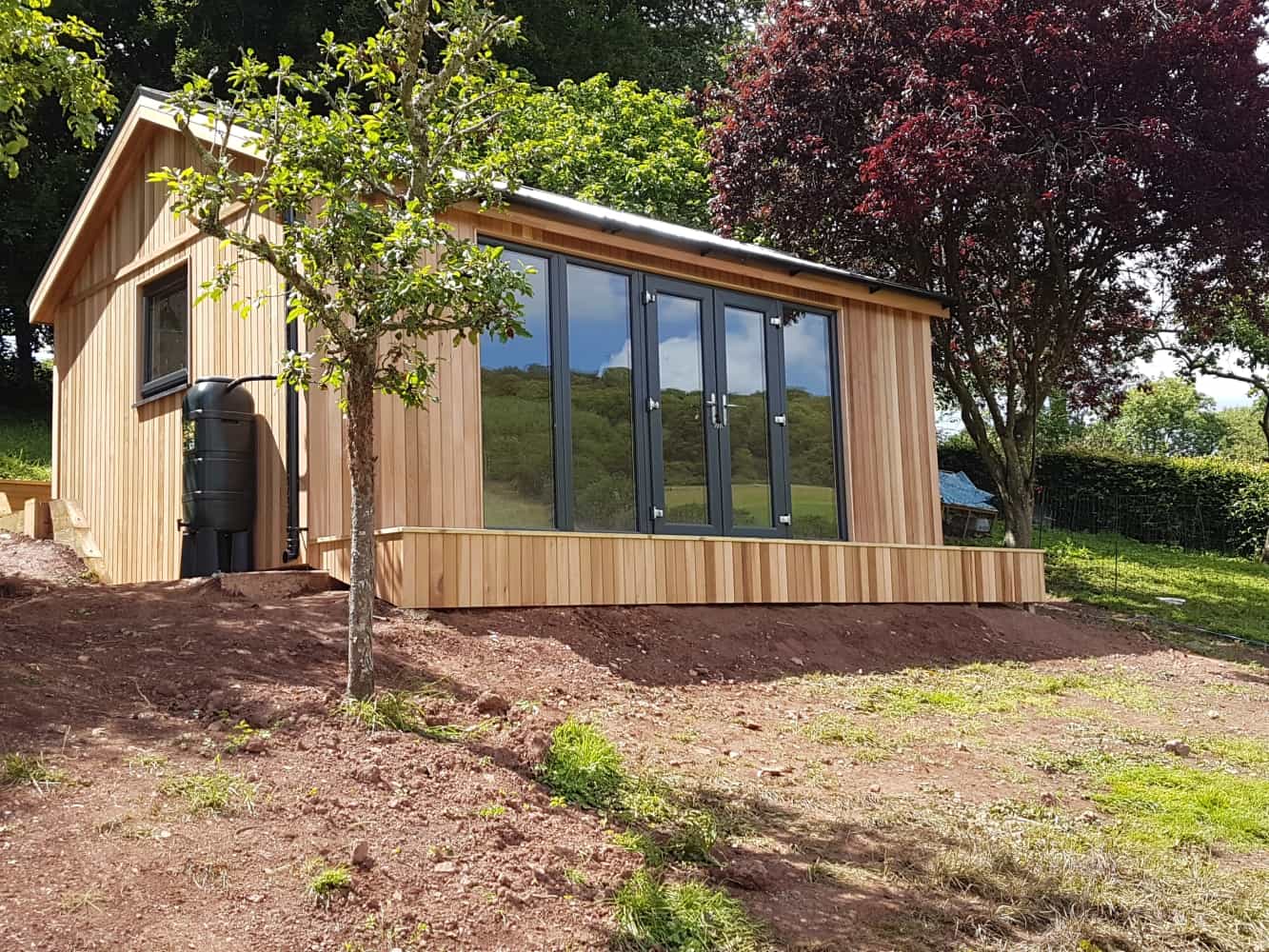
A luxury garden room isn’t a pop-up gazebo or a glorified shed. It’s a fully insulated, architecturally finished structure designed to feel and function like an extension of your home. When you commit tens of thousands of pounds to a high-spec build, one question naturally follows: how long will it last? Much like a car or a kitchen, a garden room’s lifespan depends on the quality of its components, the skill of its installation, the harshness of its environment, and the diligence of ongoing care. In this deep dive we’ll explore every element—from foundations to roof coverings—to help you understand where premium materials make a measurable difference, what timeframes to expect for each component, and how smart maintenance can stretch your investment well past the 30-year mark.
Defining “Lifespan” in the Context of Garden Rooms
When homeowners ask about lifespan they often blur three separate benchmarks: structural integrity (how long before it needs major rebuilding), aesthetic longevity (how long it looks new), and functional relevance (how long it matches modern energy and tech standards). A well-built premium garden room can remain structurally sound for 40–50 years, keep its visual appeal for 20–25 years with light maintenance, and stay functionally up-to-date for at least 15 years before technology shifts call for upgrades. Understanding these tiers clarifies warranties and sets realistic expectations.
The Foundation: 50+ Years When Done Right
Everything begins below the floor. High-end builders typically choose one of three solutions: a reinforced concrete slab with damp-proof membrane, galvanised steel ground screws paired with a steel chassis, or helical piles topped by a structural frame. All three can exceed 50 years if installed to British Standards, because they are engineered to resist frost heave, soil creep, and moisture migration. Concrete naturally reaches peak strength after 28 days and then only gains density; steel screws are hot-dip galvanised to resist corrosion for several decades. The biggest threats are poor drainage—causing freeze-thaw cracking—and tree-root upheaval, both of which proper site surveys and French drains mitigate from day one.
Structural Frame: 40–60 Years with Engineered Timber or Steel
Premium garden rooms usually rely on kiln-dried, pressure-treated C24 timber studs, SIPs (structural insulated panels), or cold-formed galvanised steel. SIPs and treated timber frames can last 40–60 years because they are enclosed, ventilated, and protected by modern breather membranes. Steel frames stretch even longer if isolated from galvanic reactions; factory coatings protect against rust, and the load-bearing capacity far exceeds typical snow and wind loads. In all cases the weak link is moisture ingress at joints. High-quality tapes, EPDM gaskets, and ventilated cavities prevent trapped water and ensure decades of structural reliability.
Roof System: 30–40 Years for Insulated Interlocking Panels
Today’s premium roofs often use insulated interlocking panels rather than felt or single-ply membranes. These composite panels sandwich a high-density PIR or PUR core between pre-finished steel sheets, delivering both structure and U-values as low as 0.14 W/m²K. The factory-applied coatings (often plastisol or polyester) boast a 25-year cosmetic warranty and a 40-year structural guarantee against perforation. Panels lock together with hidden fasteners, eliminating exposed screws that traditionally fail first. As long as gutters are cleared and sealant checks are part of annual maintenance, you can expect three to four decades of leak-free service.
External Cladding: 25–40 Years … with Mid-Life TLC
Western red cedar and Siberian larch are the darlings of the high-end market. Left to weather naturally they can last 25–30 years before requiring board replacement; treated with UV-resistant oils every two to three years they can push past 40. Thermally modified ash and aluminium rainscreen planks stretch even further—aluminium often carries a 50-year powder-coat warranty. Composite boards blend recycled polymers and wood flour to promise 30-year colour stability, though they can scratch more easily than hardwoods. The key variable is exposure: south-facing facades fade fastest and may need re-oiling or re-painting sooner than shaded elevations.
Windows and Doors: 30+ Years for Aluminium, 20–25 for uPVC
Aluminium systems with thermal break technology dominate the luxury sector. Anodised or powder-coated finishes resist chalking and corrosion for 30-40 years, assuming salt-spray locales are rinsed periodically. Seals and gaskets usually need replacement after 15 years, but panes and frames remain solid. High-quality uPVC can still serve 20 years, but colour stability and flexural strength lag behind aluminium. Laminated timber doors offer a warm aesthetic but rely on maintenance coats of microporous paint every 5–7 years to fend off swelling and rot.
Insulation Performance Horizons
PIR and PUR foams encapsulated within SIPs or interlocking roof panels have an expected service life of 60 years under BS EN 13165. Their closed-cell structure resists water absorption and compression, ensuring thermal drift remains minimal—often less than 1% over 25 years. Mineral wool batts in less expensive builds can slump, losing R-value over time, whereas rigid boards retain shape and U-value. Real-world energy bills back this up: owners of 10-year-old PIR-insulated garden rooms typically report only marginal increases in heating demand.
Interior Finishes: 15–25 Years Before Refresh
A plastered and painted interior will stay pristine for 10–15 years if humidity is controlled. After that, typical redecorations—filling hairline cracks, repainting, maybe updating sockets—restore the “new build” feel. Engineered oak flooring boasts a 25-year wear layer warranty if humidity stays between 40–60%. Luxury vinyl tile (LVT) warranties reach 20 years for domestic use and shrug off muddy boots with ease. Furniture scuffs, not product failure, usually trigger earlier refits.
Mechanical and Electrical Systems: 10–20 Years with Upgrades
Panel heaters, split AC units, and underfloor heating mats have expected lives of 15–20 years if run within manufacturer guidelines. LED downlights last 50,000 hours—roughly 17 years at eight hours per day. Consumer units and RCDs must be tested every five years under NICEIC recommendations; swapping boards is straightforward and inexpensive relative to structural elements. Data cabling may need an update to CAT8 or fibre in 10–15 years as internet speeds climb, but conduits run at install stage make future pulls painless.
Environmental and Usage Factors
Climate, orientation, and occupancy habits shape lifespan as much as materials. Coastal locations demand marine-grade coatings; woodland plots must plan for falling branches and leaf build-up; home gyms pump humid air that taxes ventilation systems. A guest suite used occasionally undergoes less thermal cycling than a daily office with computers humming. When builders tailor specs to site and usage—think trickle vents, dehumidifiers, oversize gutters—they prolong every component’s life.
Maintenance: The Multiplying Effect
Even premium components fail early if neglected. A simple annual checklist—clear gutters, wash cladding, lubricate hinges, test RCDs, inspect roof seams—can double service life of key parts. Budget two hours each spring and one autumn afternoon; that modest time investment can defer a £5,000 door replacement or a £10,000 re-roof by a decade.
Warranty Realities: Reading the Fine Print
High-end suppliers typically bundle multiple overlapping warranties: a 10-year structural warranty, 25 years on roof panels, 10 on glazing seals, 5 on labour. Crucially, most warranties are conditional on recorded maintenance. Miss an annual roof inspection or skip repainting cedar within the recommended window, and coverage may lapse. Keeping a digital diary with timestamped photos satisfies requirements and protects resale value.
Resale and Refurbishment Cycles
Garden rooms increasingly feature in estate-agent listings, and a well-maintained 15-year-old structure can add £20,000-£40,000 to resale price, depending on region. Buyers pay attention to energy ratings, recent service records, and the freshness of interiors. Planning a cosmetic refresh—re-oil cladding, touch up paint, deep-clean flooring—before listing can yield a 200% return on that modest spend.
Future-Proofing for Technology and Regulation
Building regulations tighten every decade, especially around insulation and energy generation. Wiring a dedicated conduit for solar cables or battery storage today could save thousands when you decide to bolt PV panels onto the roof panel system in 2035. Likewise, specifying CAT6a cable or empty draw tubes in walls anticipates tomorrow’s bandwidth without tearing out plaster.
Lifespan by the Numbers: A Component Checklist
-
Foundations: 50–75 years
-
Structural frame (timber/SIPs): 40–60 years
-
Insulated interlocking roof panels: 30–40 years
-
Cedar/larch cladding: 25–40 years (with maintenance)
-
Aluminium doors/windows: 30+ years (gaskets 15 years)
-
Interior plaster/paint: 10–15 years before refresh
-
Engineered flooring: 20–25 years
-
HVAC/electrics: 10–20 years
Conclusion: Building for Decades, Not Just Years
A high-end garden room crafted with premium materials, installed by specialist crews, and maintained with modest diligence can remain a comfortable, beautiful, and valuable part of your property for half a century. While individual components have distinct service lives, they interlock—good foundations keep frames square, which protects glazing seals, which in turn preserves insulation performance. Every premium upgrade therefore multiplies longevity across the system. In budgeting terms, spending an extra 10 percent on superior roof panels, galvanised screws, and aluminium joinery can push major refurbishments 10–15 years further into the future, saving far more than the upfront cost. Lifespan isn’t merely a number on a warranty card; it’s the sum of design foresight, material science, and homeowner stewardship. Build smart, maintain lightly yet consistently, and your garden room will reward you with decades of quiet service and sustained property value.