
Why Breathable Membranes Matter in Garden Room Construction
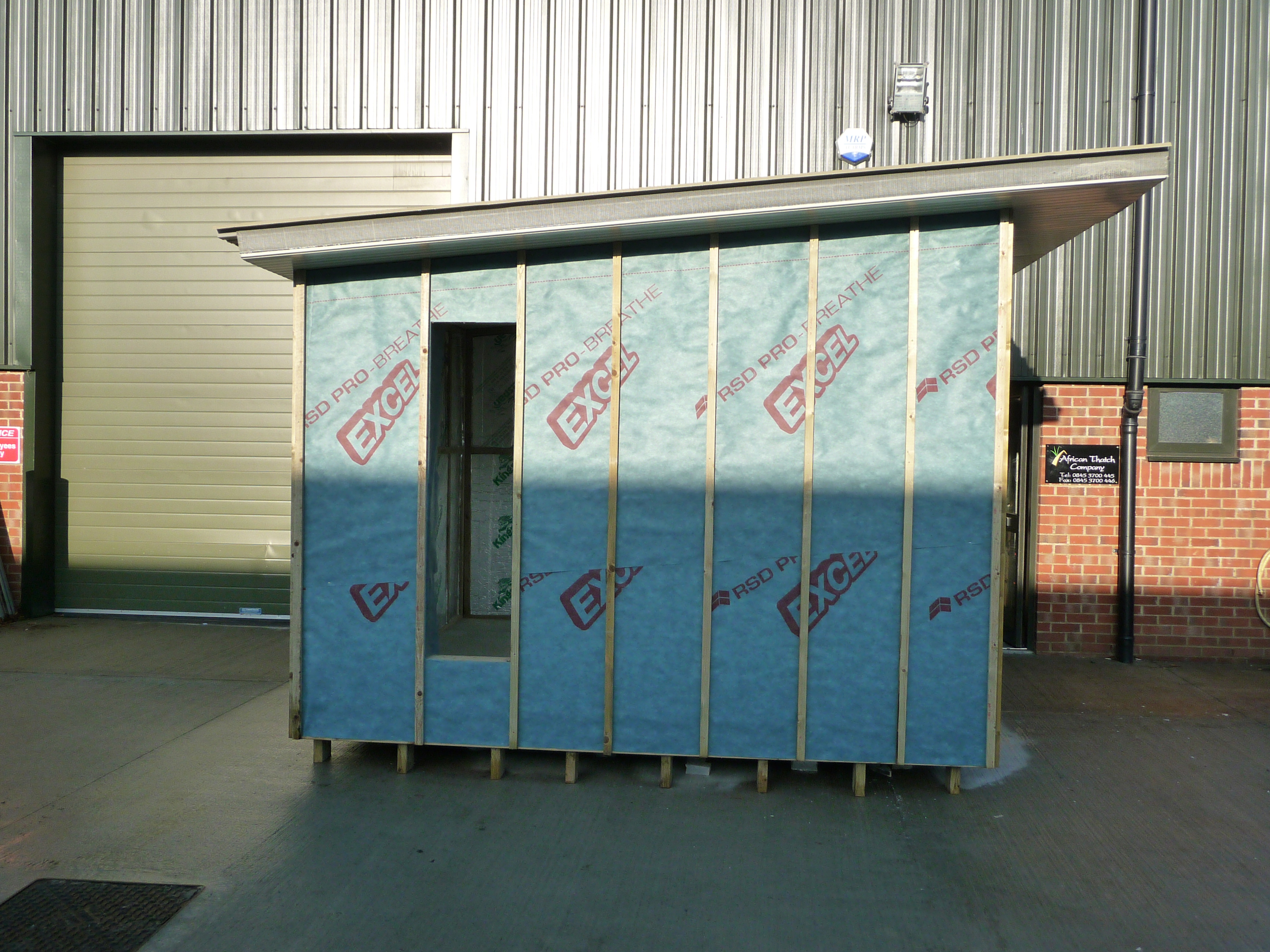
When planning a garden room, many homeowners focus on the exciting aspects—design, usage, and finishes. But behind the sleek composite cladding, bi-fold doors, and insulated roof panels, lies a hidden layer that plays a vital role in the longevity and performance of your garden room: the breathable membrane. Though it may seem like a minor detail, this unsung hero of modern construction is essential for protecting your investment. In this article, we’ll explain what breathable membranes are, why they matter in garden room construction, and how they enhance comfort, energy efficiency, and durability.
What Is a Breathable Membrane?
A breathable membrane is a synthetic sheet, typically installed behind the external cladding and over the structural frame or insulation layer of a building. It allows water vapour to escape from inside the wall structure, while simultaneously preventing external water (like rain) from penetrating the building. In essence, it’s a barrier that’s both waterproof and vapour-permeable.
These membranes are typically made from multi-layered materials such as polypropylene or polyester, designed to offer strength, flexibility, and breathability. Their main function is to provide a second line of defence against weather while keeping the internal structure dry, well-ventilated, and free from damp-related issues.
Why Is Breathability So Important?
In any timber-framed structure, like a garden room, the ability to manage moisture effectively is critical. Unlike brick buildings that can slowly absorb and release moisture, timber structures rely on good airflow and dry conditions to maintain their structural integrity. If moisture gets trapped within the walls, it can cause:
-
Condensation buildup
-
Rot and decay in timber elements
-
Mould and mildew
-
Reduced insulation performance
-
Poor indoor air quality
A breathable membrane prevents this by allowing moisture vapour to escape, while still keeping rain and snow out. It acts like a breathable waterproof jacket—letting the building "breathe" without letting it get soaked.
The Role of Breathable Membranes in Garden Room Walls
In a typical garden room wall build-up, the breathable membrane is applied over the OSB (oriented strand board) or structural sheathing and underneath the cladding. Here's how it works within the wall structure:
-
Inner lining – usually plasterboard or timber panelling
-
Insulation layer – often PIR boards or mineral wool
-
Structural sheathing – OSB or plywood
-
Breathable membrane
-
Battens – to create an air gap
-
External cladding – composite or timber
This layered system creates a vapour pathway that allows internal moisture to exit while shielding the insulation and structure from external weather. The air gap between the cladding and membrane further promotes airflow, improving the membrane’s efficiency.
Benefits of Breathable Membranes in Garden Rooms
Let’s take a closer look at the tangible benefits a breathable membrane offers in your garden room build.
1. Moisture Management
The UK’s climate is notorious for damp, wet conditions. Even in well-sealed buildings, moisture from cooking, breathing, or fluctuating external temperatures can build up inside walls and roofs. Without a way for this moisture to escape, it becomes trapped, leading to condensation and damp.
A breathable membrane allows this internal vapour to exit through the walls, preventing interstitial condensation (the kind that forms within wall layers) and reducing the risk of structural damage.
2. Protection from External Water
While the cladding is the first line of defence against rain, wind-driven rain can still find its way behind boards or panels. The membrane acts as a waterproof barrier, ensuring that any water that bypasses the cladding doesn’t enter the structural wall.
It keeps:
-
Rain
-
Snow
-
Sleet
-
Wind-driven moisture
from damaging insulation, framing, and internal finishes. This is particularly important in garden rooms built in exposed or coastal areas.
3. Improved Thermal Efficiency
Wet insulation performs poorly. When moisture accumulates in wall cavities, it compromises the insulating material, leading to increased energy bills and reduced comfort. A breathable membrane prevents water from reaching the insulation, helping to maintain its thermal resistance and overall performance.
That means:
-
Warmer garden rooms in winter
-
Cooler conditions in summer
-
Lower heating or cooling costs
-
Greater comfort year-round
4. Structural Longevity
Moisture is the enemy of timber. Even treated wood will degrade over time if continuously exposed to damp. Breathable membranes are a preventative measure that prolong the lifespan of your garden room by keeping the timber framework dry and structurally sound.
This means fewer repairs, reduced maintenance, and a building that looks and performs better for longer.
5. Mould and Mildew Prevention
When warm air meets a cold surface inside a wall, condensation forms—creating a breeding ground for mould and mildew. These aren’t just unsightly; they can lead to health problems such as allergies and respiratory issues.
Breathable membranes help reduce internal humidity and condensation, lowering the chance of mould growth within your garden room walls or roof.
6. Compatibility with All Garden Room Uses
Whether you're using your garden room as a home office, yoga studio, art space, music room, or guest suite, you want it to feel warm, dry, and comfortable. The inclusion of a breathable membrane ensures that your internal environment stays pleasant—regardless of how you use the space or how the weather behaves outside.
Garden rooms used for high-moisture activities (e.g., exercise, art, or music) especially benefit from this moisture management layer.
Why Not All Garden Room Builders Use Them
Despite all these advantages, not every garden room builder includes a breathable membrane as standard. Why? Often, it comes down to cost-cutting. Some manufacturers or DIY kits reduce costs by leaving out key construction layers—resulting in buildings that look good on the outside but perform poorly over time.
Red flags to watch for:
-
Budget quotes that don’t specify a membrane or vapour barrier
-
Cladding fixed directly onto structural panels with no airflow
-
Minimal information on insulation or wall build-up
When comparing garden room quotes, always ask what’s included in the wall system. A quality garden room should use modern construction methods, including breathable membranes, high-performance insulation, and proper ventilation.
Breathable Membranes vs Vapour Barriers: What’s the Difference?
Some people confuse breathable membranes with vapour barriers, but they serve different purposes and are used in different locations.
-
Breathable membranes are placed on the outer side of the insulation to allow internal moisture to escape while blocking rain from entering.
-
Vapour barriers are installed on the inner side (just behind the internal wall) to prevent indoor moisture from getting into the walls in the first place.
In high-spec builds, both are used to create a fully controlled moisture environment. This dual-layer system ensures water stays out while internal humidity is managed effectively.
Breathable Membranes and Roofing
While this article focuses on walls, breathable membranes are also used in pitched garden room roofs. In flat roofs or those with interlocking insulated panels, a breathable membrane may not always be necessary—but for timber-built roofs with traditional insulation, it plays the same role in managing condensation and protecting internal elements.
Oeco Garden Rooms: Why We Always Use Breathable Membranes
At Oeco Garden Rooms, we believe quality starts from the inside out. That’s why all our garden rooms are constructed with high-performance breathable membranes as standard—not as an optional extra.
We integrate this essential layer into every wall and roof build-up to:
-
Enhance moisture control
-
Protect insulation
-
Extend the life of the building
-
Maximise client satisfaction with year-round comfort
It’s part of our commitment to delivering garden rooms that are not only beautiful and stylish but also built to perform.
Cost vs Value: Is a Breathable Membrane Worth It?
Some might wonder if it’s worth paying extra for something you’ll never see. But when you consider the long-term benefits—better comfort, lower maintenance, energy savings, and greater structural integrity—the value becomes clear.
Without a breathable membrane:
-
You risk internal damp and decay
-
You may face costly repairs or replacements
-
Your insulation may underperform
-
Your garden room may feel clammy or cold
Adding a breathable membrane is a relatively small part of the total cost, but it has an outsized impact on the performance and longevity of the entire structure.
Final Thoughts
Breathable membranes may be hidden from view, but they are fundamental to the health, comfort, and performance of your garden room. They protect your investment from the inside out—shielding your walls and insulation from moisture, preserving thermal efficiency, and keeping your space warm, dry, and mould-free all year round.
If you're planning a high-quality garden room, make sure this essential layer isn’t overlooked. Choose a builder who uses breathable membranes as standard and can explain their full wall and roof build-up. A garden room is only as good as what’s behind the walls, and with a breathable membrane in place, you’re building something that’s made to last.