
Why Insulation Quality Matters in a Luxury Garden Room
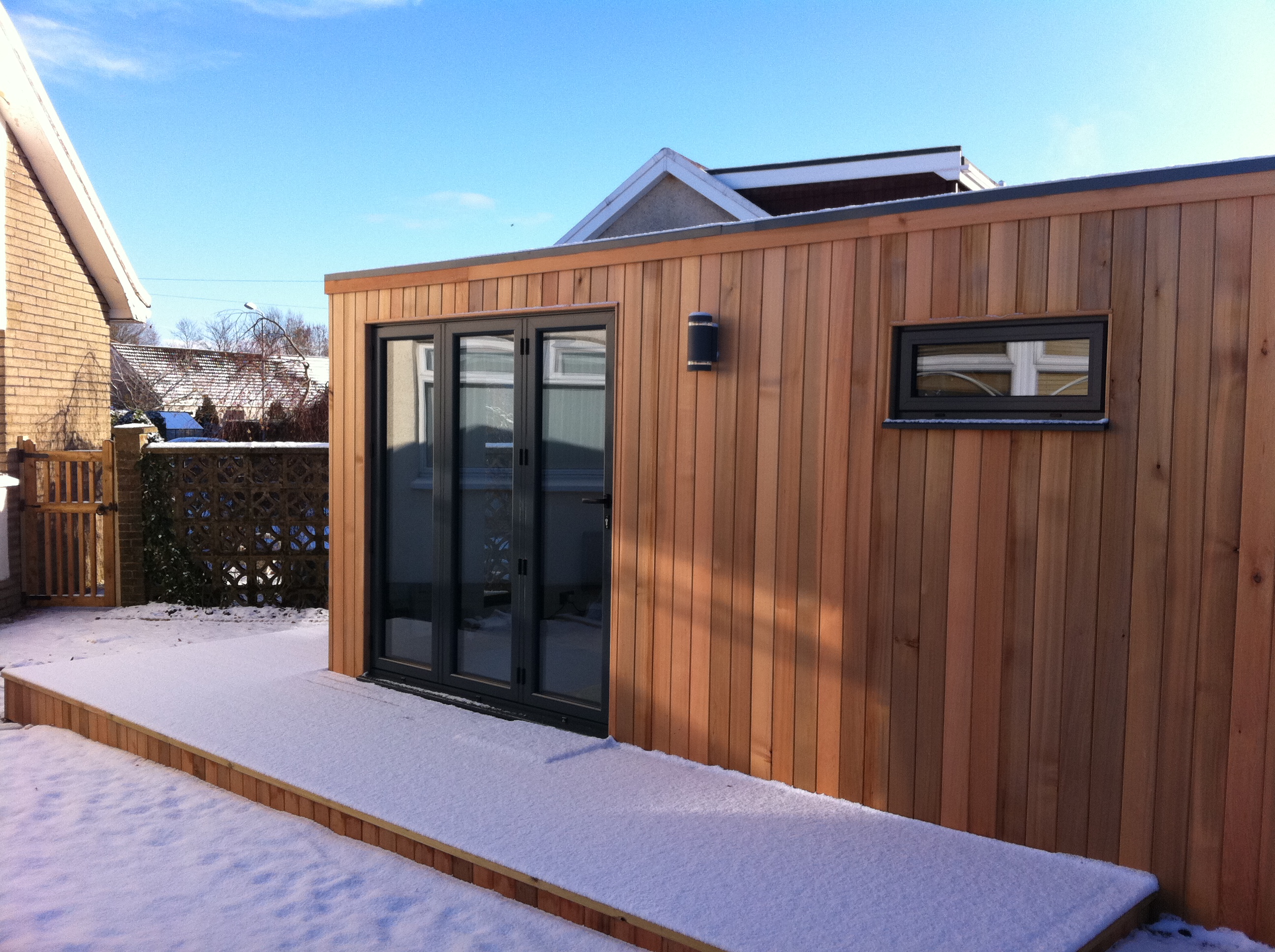
When it comes to building a luxury garden room—whether it’s an elegant home office, a private yoga retreat, a creative studio, or a high-end guest suite—one feature quietly underpins its year-round comfort, energy performance, and overall usability: insulation. You won’t see it once the walls are up. It doesn’t gleam like polished cedar or slide like aluminium bifolds. But the quality of your insulation determines whether your luxury garden room feels like a premium addition to your property—or an overpriced shed. In this article, we’ll explain why insulation isn’t just a technical detail, but one of the most crucial ingredients in creating a high-end, long-lasting garden building. We’ll cover what insulation actually does, how it affects your garden room's usability and cost-efficiency, and what to look for in a truly well-insulated structure.
What Does Insulation Actually Do?
Insulation is the material layer that slows down the transfer of heat, helping to keep warm air in during winter and hot air out during summer. It's used in: Walls, Roof, Floor, Doors and windows (via double or triple glazing). In a well-insulated garden room, this thermal barrier allows you to enjoy a consistent indoor climate, even when the outside weather is doing its worst. But good insulation does more than just stabilise temperature. It also contributes to: Energy efficiency, Acoustic comfort, Humidity regulation, Structural durability. It’s not just about comfort—it’s about creating a usable, healthy, and cost-effective space all year round.
Why Insulation Quality Matters for Luxury Garden Rooms
If you're investing in a high-end garden room, you expect more than just shelter. You’re looking for style, sophistication, and usability—every day of the year. Without high-performance insulation, even the most beautiful design will fall short.
1. Year-Round Usability
A luxury garden room should function like any other high-spec room in your home. That means: Warm in winter without needing electric heaters on full blast. Cool in summer, not stiflingly hot by midday. Comfortable in shoulder seasons, such as spring and autumn. Substandard insulation limits use to only the mildest months, making your investment feel seasonal and underused.
2. Energy Efficiency and Running Costs
Heating or cooling a poorly insulated space is expensive. With energy costs rising and homeowners becoming more environmentally conscious, thermal efficiency is non-negotiable. A well-insulated structure will: Retain warmth longer. Require less active heating and cooling. Reduce your electricity bills. Help reduce your carbon footprint. In a properly sealed and insulated garden room, even a small panel heater or energy-efficient air conditioner can maintain comfort with minimal output.
3. Acoustic Insulation
Thermal insulation materials often double as sound barriers. If your garden room is used as a: Music room, Podcast studio, Meeting space, Therapy room, Home office requiring privacy, then acoustic performance becomes essential. High-quality insulation reduces noise entering and leaving the building, helping to preserve tranquility—for you and your neighbours.
4. Structural Health and Damp Resistance
Poor insulation often correlates with poor vapour control. This can lead to: Condensation buildup, Mould growth, Deterioration of internal finishes and furnishings, Rotting timber or corrosion in framing. In contrast, a properly insulated and ventilated garden room manages moisture well and protects its structural integrity, ensuring your luxury investment stands the test of time.
5. Higher Resale and Property Value
A premium garden room with robust insulation adds more than just functionality—it can increase your property’s market appeal and resale value. Potential buyers now look for usable outdoor buildings that feel like extensions of the home. A cold, draughty box won’t cut it.
Understanding Insulation Types and Values
Let’s break down the key elements that define insulation quality in a garden room.
1. U-Values
The U-value measures how much heat is lost through a material. The lower the number, the better the insulation. Walls in a luxury garden room should aim for U-values of 0.25 W/m²K or lower. Roofs should target 0.16 W/m²K or lower. Floors should achieve around 0.20 W/m²K. These are comparable to standards in modern house construction, and they signal true residential performance.
2. Insulation Materials
High-end garden rooms typically use: Rigid PIR boards (e.g. Celotex, Kingspan): Excellent thermal performance, slim profile, ideal for walls and roofs. Mineral wool (e.g. Rockwool): Offers both thermal and acoustic insulation, plus fire resistance. Sheep wool or recycled cotton: Natural and breathable options for eco-conscious buyers. Cheaper builds may use foil-backed bubble wrap or thin polystyrene sheets—totally inadequate for true thermal control.
3. Insulated Foundations and Floors
Heat rises—but it also escapes downwards if your floor isn’t properly insulated. A quality build will include insulation beneath the floor structure, not just in the walls and roof. Suspended floors should have rigid board insulation between joists. Concrete slabs should have a damp-proof membrane and rigid insulation layer. Neglecting the floor compromises the entire envelope.
4. Glazing and Thermal Bridging
Windows and doors are potential weak points. Look for: Double or triple glazing with low-E coatings, Thermally broken frames (especially aluminium), Correct seals and gaskets. In addition, high-end garden rooms should be free from thermal bridging—cold spots caused by poorly detailed joins between insulation and framing.
What Happens If Insulation Is Poor or Skipped?
Here’s a real-world comparison:
Garden Room A (Budget Build) uses thin multi-foil insulation, has gaps around windows and floor junctions, U-values > 0.5 W/m²K, is freezing cold in winter, stifling in summer, requires electric radiator and fan—costs ~£800/year to run.
Garden Room B (Luxury Build) uses 100mm PIR in walls, 125mm in roof, 80mm in floor, triple-glazed windows with thermal breaks, U-values < 0.2 W/m²K, warm all year, runs on a single panel heater—running costs ~£120/year.
The difference in performance is staggering—and so is the comfort. Garden Room B might cost more upfront, but over a decade, it pays dividends both financially and experientially.
Insulation in Different Use Cases
Let’s explore how insulation impacts different luxury garden room uses.
1. Home Office
Comfort and focus are critical. Cold feet and fogged windows aren’t acceptable during work hours. A well-insulated space allows year-round productivity without excessive running costs.
2. Guest Suite
You can’t expect guests (or Airbnb renters) to layer up in fleece just to sleep in your garden room. High thermal standards ensure overnight stays are cosy and welcoming.
3. Yoga Studio or Wellness Room
A calm, serene space means no draughts, temperature swings, or external noise. Insulation enhances the sensory experience and supports mindfulness.
4. Music Studio or Workshop
Thermal and acoustic insulation go hand-in-hand. Proper materials mean you can rehearse, record, or build without bothering anyone—or being interrupted yourself.
5. Garden Bar or Cinema Room
Enjoying movies, cocktails, or gatherings without shivering or sweating depends entirely on the building envelope. Good insulation maintains stable, enjoyable conditions.
What to Ask Your Garden Room Supplier
When comparing suppliers, insulation quality is a key differentiator. Don’t be afraid to ask: What insulation materials do you use in walls, roof, and floor? What are your standard U-values? Are your buildings compliant with Part L of Building Regulations? Do you offer upgrades like triple glazing or eco-friendly insulation? Can you provide thermal performance certificates?
If a supplier can’t answer confidently—or dodges the question—that’s a red flag. A luxury garden room must be engineered, not improvised.
Future-Proofing and Sustainability
High insulation standards are increasingly important in light of changing building regulations and environmental responsibility. By prioritising insulation now, you future-proof your space in multiple ways: Compliance: You're more likely to meet evolving energy efficiency standards. Sustainability: Lower carbon emissions from heating and cooling. Durability: Well-insulated structures last longer with fewer maintenance issues. Reusability: If regulations ever change and you want to convert your garden room into a self-contained annex, insulation is already in place. It’s not just about today’s performance—it’s about tomorrow’s standards.
Conclusion: The Invisible Luxury That Makes All the Difference
Insulation isn’t glamorous. It won’t be the first thing visitors comment on. But it might be the reason they say, “Wow, it’s so nice in here,” even in the middle of February.
If you’re investing in a luxury garden room, high-quality insulation should be non-negotiable. It’s what elevates a structure from seasonal to year-round. From decorative to genuinely usable. From visually impressive to holistically valuable.
Don’t settle for thin walls and vague promises. Demand clear specifications, low U-values, and proven materials. You’ll feel the difference every single day—and so will your energy bills.
Thinking of installing a luxury garden room?
We design, build and insulate garden spaces to the highest residential standards.