
Will a Garden Room Installation Disrupt My Garden? What to Expect
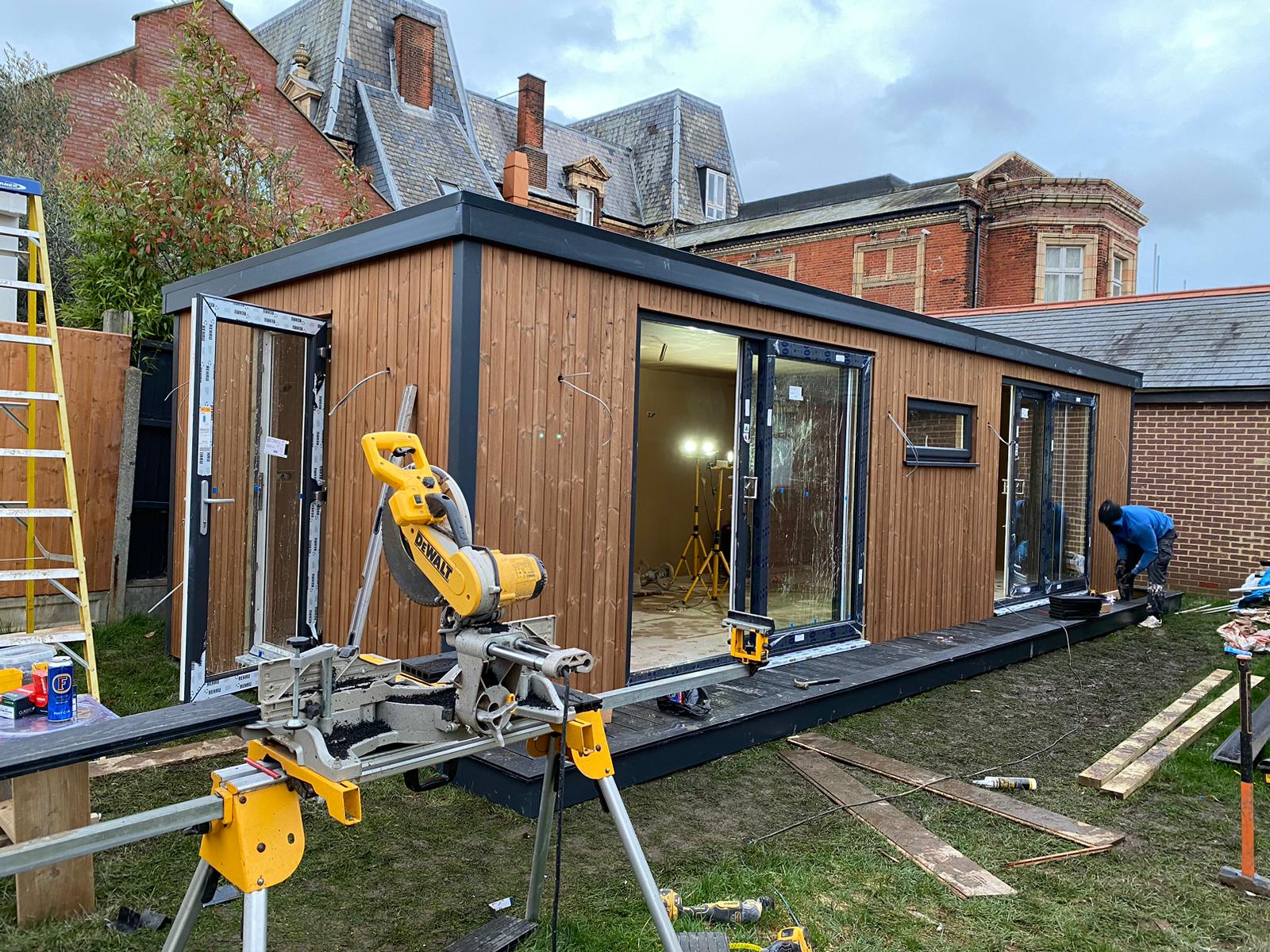
Adding a garden room is one of the most rewarding home improvements you can make. Whether it’s a home office, yoga studio, art retreat, or guest annex, a garden room gives you valuable extra space without the need for a full extension. But before the vision becomes reality, many homeowners understandably ask the question: Will a garden room installation disrupt my garden? It’s a fair concern. After all, you’ve likely spent time, energy, and money creating a beautiful outdoor space—and the last thing you want is for it to be torn up or damaged during construction. In this article, we’ll take you through what to expect before, during, and after a garden room installation. We’ll cover how the process affects your lawn, plants, trees, access points, and general garden use, and more importantly, what measures reputable installers take to minimise disruption and protect your space.
How Garden Room Installation Typically Works
Understanding how a garden room is installed helps set realistic expectations about what kind of disruption might occur. Most high-quality garden rooms are pre-designed modular buildings constructed on-site over a period of 2 to 4 weeks, depending on complexity and weather. The key phases include:
1. Site survey and prep – The team assesses access, ground levels, and existing services. They may mark out the footprint and prepare the area for groundwork.
2. Groundworks and foundations – Ground screws, concrete pads, or a concrete slab is installed to create a level, stable base.
3. Structure installation – Panels or frames are erected, followed by walls, roof, doors, and windows.
4. Utilities and internal works – Electric, plumbing (if applicable), insulation, flooring, and finishes are completed.
5. Final tidy-up and landscaping – The site is cleared, waste is removed, and the area is restored where needed.
Each of these phases can have an impact on your garden—but with careful planning, the disruption is temporary and manageable.
Will My Lawn Be Damaged?
One of the most common concerns is whether the lawn will survive the process. In most cases, yes, but expect some temporary wear and tear, especially if:
-
Your garden room is positioned far from the main access point.
-
Heavy materials or equipment must be moved across grassy areas.
-
The ground is soft due to wet weather.
To reduce damage, professional installers typically: -
Use ground protection mats or boards to create temporary paths for wheelbarrows or machinery.
-
Work quickly and efficiently to limit foot traffic.
-
Avoid working during extremely wet conditions when the lawn is most vulnerable.
If your lawn is already in delicate condition, you might want to lay down your own protection ahead of time or discuss access routes with your builder. Any small indentations or flattened areas usually bounce back within a few weeks, especially in spring and summer when grass growth is active.
Will Flower Beds and Plants Be Affected?
Most reputable garden room companies will do their best to work around existing flower beds, planters, or border shrubs. However, if your garden room is positioned close to mature planting, you’ll want to:
-
Trim back overhanging branches to allow room for tools and panels.
-
Temporarily remove fragile pots or decorative items near the construction area.
-
Flag up any important or irreplaceable plants with your installer so they can avoid them.
That said, minor trampling or soil compaction in border areas may occur if materials must be passed through tight spots. After installation, light mulching or aeration may be needed to restore soil quality.
What About Access Routes?
Access is a major factor in determining how disruptive the installation will be. Most garden room installations require:
-
A clear route from the road or driveway to the garden room site.
-
A minimum width of 800mm–1000mm for panel delivery (wider for fully built sections).
If your access is narrow, stepped, or involves passing through the house, expect: -
More time spent moving materials by hand.
-
Protective coverings laid through internal areas.
-
Potential for more garden disruption as a workaround.
Discuss access with your installer during the site survey—they may suggest solutions like using smaller panel sizes, crane lifts over fences (rare but possible), or splitting deliveries over multiple days. The easier your access, the less time and mess involved in the overall build.
Will There Be a Lot of Noise and Dust?
As with any construction project, some noise, dust, and disruption are inevitable. You can expect:
-
Drilling, sawing, and hammering during the main build.
-
Delivery vehicles arriving with materials.
-
Contractors coming and going during the day.
However, the level of disruption is typically much lower than house extensions or renovations, for a few reasons: -
Most garden rooms are built outdoors with minimal impact on your home.
-
Many components are pre-cut or modular, reducing on-site cutting.
-
The duration of the build is short—usually 10 to 20 working days.
Installers will clean up at the end of each day, and waste is usually removed as part of the contract. If you work from home or have pets, let the team know so they can be considerate with noise levels and working hours.
Can My Trees or Hedges Be Damaged?
If your garden room is close to trees or hedges, there are a few points to consider:
-
Tree roots may interfere with foundation placement—ground screws are often used as a low-impact alternative.
-
Overhanging branches may need to be pruned for roof clearance.
-
Trees with preservation orders (TPOs) must not be damaged—always check with your local authority.
Reputable companies use non-invasive foundation methods like ground screws to preserve tree roots and avoid deep digging. They’ll also advise on minimum distances from mature trees to avoid long-term issues.
What Happens to Existing Landscaping or Paving?
If your chosen location currently has a patio, decking, or gravel area, your builder may:
-
Remove or partially lift the surface to install a level foundation.
-
Reinstate edging or borders after the build.
-
Offer to integrate the existing hard landscaping into the final design.
Discuss this ahead of time—some clients choose to replace tired paving or decking with a new pathway or patio extension to suit the garden room. You may also want to re-turf or plant around the building afterwards to help it blend in.
Does Weather Affect the Level of Disruption?
Yes. Wet or freezing weather can increase the risk of:
-
Lawn damage due to soft ground.
-
Mud being tracked through access routes.
-
Delays to deliveries or foundation work.
For this reason, some installers may avoid scheduling work during peak winter months or may pause during heavy rain. If your build is scheduled in early spring or autumn, ask the team how they plan to mitigate weather-related issues and what contingency plans are in place.
Will My Pets Be Affected?
Pets, especially dogs, may be unsettled by new people, noise, and equipment in the garden. To keep them safe and reduce stress:
-
Keep dogs and cats indoors or in a secure area during working hours.
-
Let installers know you have pets so they can avoid leaving gates open.
-
Consider walking your dog during the noisiest parts of the build (e.g., foundation drilling).
After the build, allow a day or two for your pet to adjust before giving them access to the new structure.
Post-Installation Clean-Up and Garden Restoration
The best garden room companies leave your site looking clean, tidy, and ready to use. This typically includes:
-
Sweeping and washing down pathways.
-
Removing excess soil, rubble, or packaging.
-
Restoring any disrupted flower beds or lawn edges.
-
Replacing any features that were temporarily removed (e.g., paving slabs or edging).
However, if your garden requires more extensive landscaping after the build—such as turf repair, path extensions, or planting—some companies offer this as an add-on service, or you may prefer to use your own gardener.
How to Minimise Disruption Before the Build Begins
To ensure the smoothest process with minimal garden disruption, take the following steps before your installation date:
-
Clear the work area of pots, tools, toys, and fragile items.
-
Mow the lawn and tidy up access routes to help contractors move easily.
-
Discuss access routes and protective measures with your installer.
-
Protect delicate flower beds with netting or edging if they’re close to the work area.
-
Let neighbours know about the upcoming work as a courtesy.
-
Take before photos of your garden if you’re concerned about damage.
Preparation makes all the difference in preserving your garden’s condition during installation.
What If My Garden Is on a Slope or Has Difficult Terrain?
If your garden is sloped or uneven, groundworks may be slightly more involved. Installers will typically:
-
Use a stepped or elevated foundation design.
-
Employ ground screws at varying depths to level the structure.
-
Carry out minor levelling with crushed stone or fill.
While this can cause more temporary soil disturbance, it's usually addressed during the clean-up phase. A sloped garden may also benefit from landscaping upgrades post-build to create a cohesive look.
Final Thoughts: The Disruption Is Short, the Benefit Is Long-Term
So, will a garden room installation disrupt your garden? Yes—but only temporarily. The level of disruption depends on access, weather, the building design, and your current garden layout. But with a skilled, considerate team, clear communication, and a little preparation, the impact is minimal and short-lived. Most homeowners find their garden recovers quickly—and the long-term benefit of having a beautiful, functional garden room far outweighs the minor inconvenience. From the first foundation screw to the final wipe-down, a professional installation should leave your garden in great condition, ready to be enjoyed again—with your new space adding even more value and beauty to your outdoor world.